
The Phantom Film: How Cybercriminals Hijacked Leonardo DiCaprio’s Latest Blockbuster to Deploy Stealthy Malware
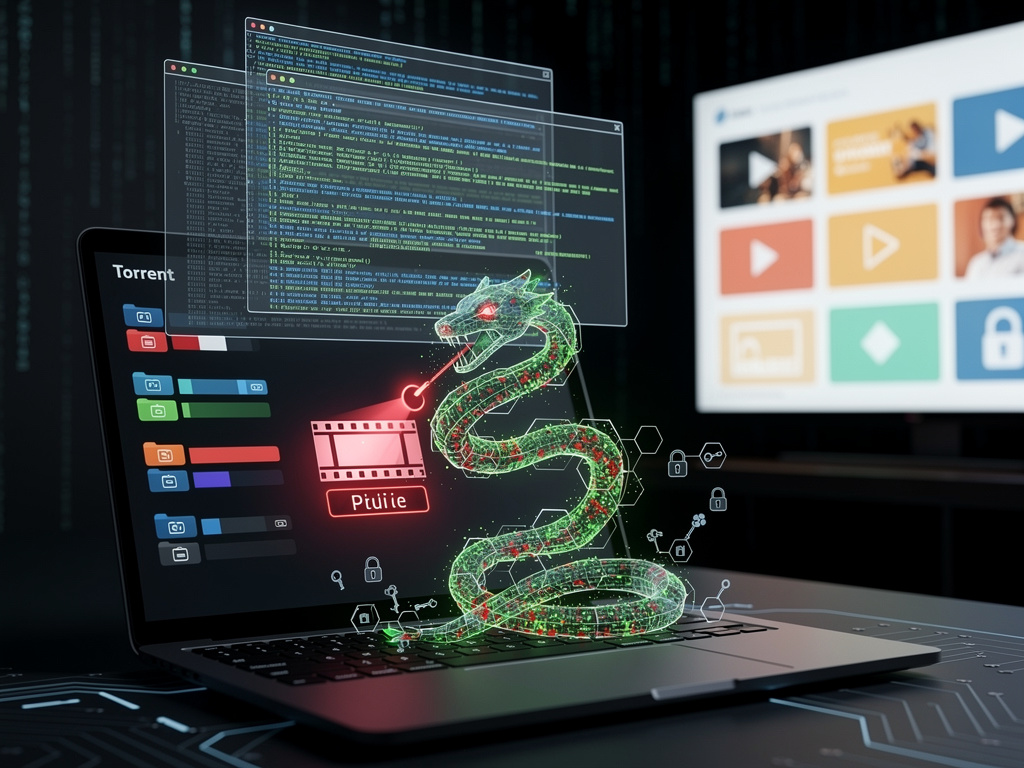
In the glittering world of Hollywood premieres and blockbuster releases, a darker undercurrent has emerged, blending celebrity allure with sophisticated cyber threats. Fans eager to catch Leonardo DiCaprio’s newest film, “One Battle After Another,” have unwittingly become targets in a cunning malware campaign. Disguised as a torrent download for the movie, this digital trap deploys Agent Tesla, a notorious remote access Trojan that grants attackers unfettered control over infected systems. The scheme exploits the excitement surrounding the film’s release, directed by Paul Thomas Anderson and featuring an ensemble cast including DiCaprio and Sean Penn, to lure unsuspecting users into a web of deception.
Cybersecurity experts first sounded the alarm earlier this month, highlighting how pirates seeking free access to the film are downloading files that harbor malicious payloads. The infection chain is remarkably intricate, relying on layered PowerShell scripts hidden within seemingly innocuous subtitle files. Once activated, these scripts execute a series of commands that install the malware without raising immediate suspicions, allowing it to evade basic antivirus defenses. This tactic underscores a growing trend where cybercriminals leverage popular media to distribute threats, capitalizing on the impatience of fans unwilling to wait for official streaming options.
The malware in question, Agent Tesla, is no novice in the cybercrime arena. Known for its data-stealing capabilities, it can log keystrokes, capture screenshots, and exfiltrate sensitive information like passwords and financial details. In this campaign, the fake torrent masquerades as a legitimate movie file, complete with a shortcut named “CD.lnk” that initiates the attack when clicked. Researchers have noted that the operation runs entirely in memory, making it fileless and harder to detect—a technique that has become increasingly prevalent in modern threats.
Unmasking the Infection Chain
Delving deeper into the mechanics, the attack begins with a torrent file that, upon download, presents users with a folder containing what appears to be movie-related content. Hidden within are PowerShell scripts embedded in subtitle files, which are executed via Windows shortcuts. This multi-layered approach allows the malware to bypass security measures by running code directly in system processes. According to analysis from Bitdefender Labs, the chain involves several stages, each designed to obfuscate the malicious intent and ensure persistence on the victim’s machine.
The choice of “One Battle After Another” as bait is strategic. The film, which has generated significant buzz due to its star-studded lineup and critical acclaim, represents a high-value target for cybercriminals. With illegal downloads surging around major releases, attackers know that thousands of users will flock to torrent sites, desperate for early access. This incident echoes previous campaigns where popular titles like “The Batman” or “Spider-Man: No Way Home” were used to spread similar threats, but the sophistication here sets it apart.
Industry insiders point out that the rise of such attacks correlates with the proliferation of streaming services and the crackdown on piracy. As legal options become more accessible, the pool of torrent users may shrink, but those who remain are often less tech-savvy, making them easier prey. Moreover, the holiday season amplifies the risk, as people seek entertainment during downtime, leading to a spike in downloads. Recent posts on X have highlighted user experiences, with some reporting suspicious blocks by antivirus software after attempting to download what they believed was the film.
The Broader Implications for Cybersecurity
Agent Tesla’s deployment through this method reveals vulnerabilities in Windows environments, particularly in how PowerShell is exploited. PowerShell, a powerful scripting language built into Windows, is intended for administrative tasks but has become a favorite tool for attackers due to its flexibility. In this case, the scripts are encoded and layered to avoid detection, ultimately injecting the Trojan into memory. Experts from PCMag warn that this RAT can then communicate with command-and-control servers, relaying stolen data back to the perpetrators.
The global reach of this campaign is alarming. Cybersecurity firms report infections across multiple continents, with the malware adapting to different languages and systems. This isn’t just a one-off; it’s part of a larger pattern where cybercriminals use cultural phenomena to mask their operations. For instance, during major events like the Oscars or holiday releases, there’s often a surge in themed malware. The DiCaprio torrent has already affected thousands, according to estimates, underscoring the need for heightened vigilance.
Beyond individual users, the threat extends to organizations. If an employee downloads the fake torrent on a work device, it could compromise corporate networks, leading to data breaches or ransomware demands. This highlights the intersection of personal and professional digital hygiene, where a simple movie night could cascade into a major security incident. Analysts emphasize that education remains key, urging users to verify sources and use reputable antivirus solutions.
Evolving Tactics in Digital Deception
Examining the origins of Agent Tesla, this malware has evolved since its emergence around 2014, continually updated to counter new defenses. Its affordability on dark web markets—often sold for as little as $15—makes it accessible to a wide range of actors, from lone hackers to organized crime groups. In the DiCaprio campaign, the use of subtitles as a hiding spot is particularly ingenious, as these files are rarely scrutinized by security tools. BleepingComputer details how the malicious code is concealed within .srt files, which are then loaded via PowerShell to execute the payload.
The timing aligns with the Christmas 2025 season, a period notorious for increased cyber activity. Scammers exploit the festive rush, embedding threats in downloads for holiday movies or games. Posts on X reflect growing awareness, with users sharing stories of near-misses and warnings about similar scams involving celebrity endorsements or fake giveaways. This social media chatter serves as an early warning system, amplifying expert alerts and potentially limiting the campaign’s spread.
To combat such threats, cybersecurity professionals advocate for multi-layered defenses. This includes enabling advanced threat protection in antivirus software, restricting PowerShell execution policies, and educating users about the dangers of torrents. Companies like Microsoft have issued guidance on hardening systems against these exploits, but the cat-and-mouse game continues as attackers innovate.
Lessons from Hollywood’s Cyber Shadow
The fallout from this incident could influence how studios approach piracy. With films like “One Battle After Another” generating millions in revenue, illegal distribution not only hurts profits but now poses direct risks to fans. Some insiders suggest that watermarking or embedding tracking in official releases could help, though this might not deter determined pirates. Meanwhile, torrent sites face pressure to improve moderation, but their decentralized nature complicates enforcement.
Looking ahead, the integration of AI in malware creation could exacerbate these issues. Attackers might use generative tools to create more convincing fakes, blurring lines between legitimate and malicious content. Cybersecurity News reports that the current campaign’s complexity indicates a professional operation, possibly linked to larger syndicates profiting from stolen data.
For consumers, the message is clear: stick to official channels. Services like Netflix or Amazon Prime offer safe alternatives, reducing the temptation of torrents. Yet, the allure of free content persists, especially in regions with limited access. This DiCaprio debacle serves as a stark reminder that in the digital age, even a night at the movies can come with hidden costs.
Navigating the Aftermath and Future Defenses
In response to the threat, antivirus vendors have updated signatures to detect the specific PowerShell chains used here. Bitdefender, for one, has published detailed breakdowns, aiding in proactive defense. Users who suspect infection should scan their systems and monitor for unusual activity, such as unexpected network traffic.
The incident also sparks debate on regulatory measures. Governments could push for stricter controls on torrent platforms or international cooperation to dismantle malware networks. However, privacy concerns and the global internet’s nature pose challenges.
Ultimately, this campaign illustrates the convergence of entertainment and cyber risk, where fame becomes a vector for harm. As Hollywood churns out hits, cybercriminals will follow, adapting their ploys to the next big release. Staying informed and cautious remains the best shield against these phantom threats.


 WebProNews is an iEntry Publication