
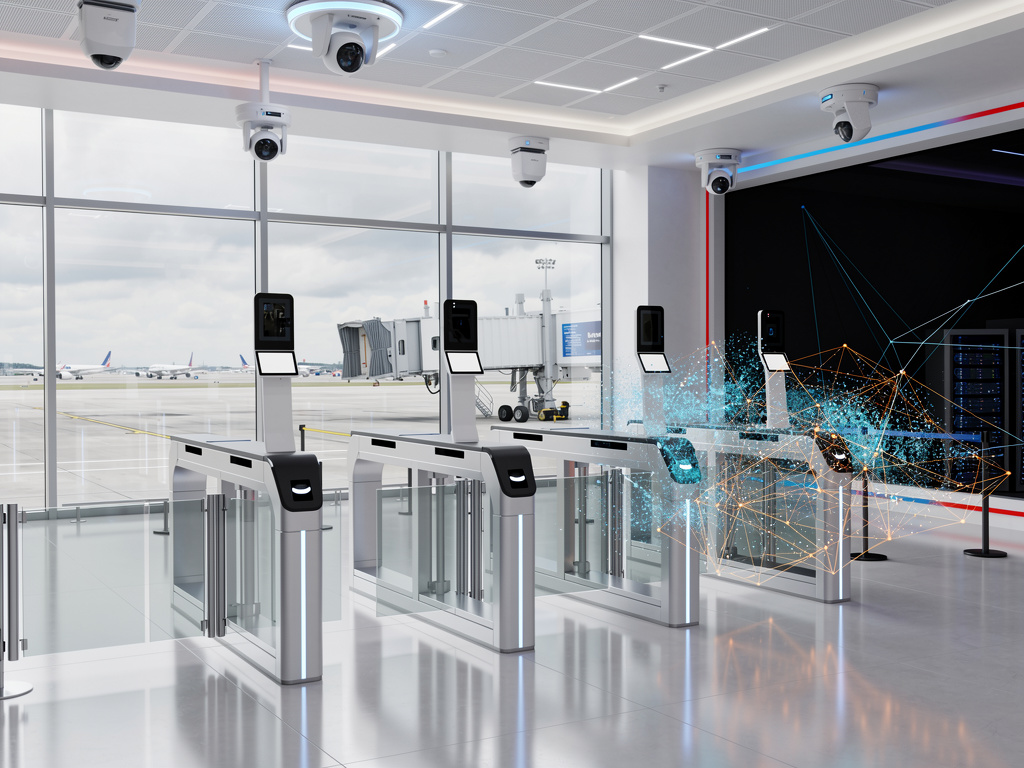
As travelers hustle through bustling terminals, the once-familiar ritual of fumbling for boarding passes and IDs is giving way to a seamless scan of the face. In 2026, facial recognition technology is rapidly transforming airport security and boarding processes across the United States, promising quicker lines and enhanced verification but stirring debates over privacy and data security. Major hubs like Orlando International are leading the charge, experimenting with systems that allow passengers to breeze through checkpoints without physical documents.
This shift isn’t just about convenience; it’s a calculated response to surging passenger volumes and evolving threats. The Transportation Security Administration (TSA) has been piloting biometric tools for years, but recent expansions signal a tipping point. According to reports, the agency aims to roll out touchless ID programs to dozens more airports this year, building on successes in places like Atlanta and Denver.
Privacy advocates, however, warn of overreach. The technology captures biometric data that could be stored or shared, potentially eroding personal anonymity in public spaces. As one expert noted, the line between efficiency and surveillance is blurring faster than ever.
Accelerating Adoption Amid Rising Travel Demands
The push for facial recognition gained momentum post-pandemic, when airports grappled with labor shortages and backlogged queues. A key driver is the TSA’s PreCheck Touchless ID initiative, which uses facial scans to match passengers against their government-issued photos. Aviation Week Network detailed how the TSA plans to extend this to 65 airports by year’s end, including both major international gateways and regional facilities.
In practice, travelers enrolled in programs like TSA PreCheck or Global Entry can opt into biometric verification at kiosks or gates. The system cross-references a live facial image with stored data from passports or driver’s licenses, often eliminating the need to present physical IDs. This has shaved minutes off processing times, a boon for airlines facing record-breaking passenger numbers projected to hit 2.8 billion globally in 2026.
Yet, implementation varies. At Orlando International, as highlighted in a New York Times piece from late 2025, e-gates equipped with cameras verify identities for international departures, flagging mismatches in real time. Such innovations are now spreading to customs and border protection, where non-citizens are increasingly tracked via expanded biometric systems.
Privacy Concerns and Regulatory Pushback
Critics argue that while the tech streamlines travel, it collects vast amounts of sensitive data with insufficient safeguards. Posts on X (formerly Twitter) from users and experts reflect growing unease, with many questioning the permanence of “deleted” images promised by the TSA. One viral thread emphasized the lack of independent audits, echoing sentiments that transparency is sorely lacking in these deployments.
The Department of Homeland Security (DHS) defends the measures as essential for curbing visa fraud and detecting overstays. A Reuters report from October 2025 outlined how facial recognition at borders helps identify criminals and prevent illegal reentries, with data shared across federal agencies. However, privacy groups like the Electronic Frontier Foundation have filed lawsuits, claiming violations of civil liberties.
Internationally, the trend mirrors U.S. efforts. In India, the Central Industrial Security Force is installing facial recognition cameras and body scanners for faster, more secure travel, as covered in a recent Devdiscourse article. This global uptake raises questions about data interoperability—could a scan in New York link to one in Mumbai?
Technological Underpinnings and Industry Players
At the heart of these systems are advanced algorithms powered by artificial intelligence, capable of matching faces with over 99% accuracy under ideal conditions. The TSA’s facial comparison technology, first introduced in 2023 as per their own factsheet, uses secure cloud storage to temporarily hold images, which are purportedly deleted after verification. But skeptics point to past data breaches in government systems as a red flag.
Major tech firms are deeply involved. Companies like Clear and Idemia supply the hardware and software, integrating with airline apps for end-to-end biometric journeys. For instance, Delta Air Lines has piloted facial recognition for bag drops and boarding, reducing errors and speeding up operations. Industry insiders note that these partnerships are lucrative, with the biometric security market expected to surpass $50 billion by 2030.
Challenges persist in accuracy across diverse populations. Studies have shown biases in facial recognition, with higher error rates for people of color and women. Airports are addressing this through algorithm retraining, but ongoing scrutiny from civil rights organizations demands more equitable tech.
Expansion Plans and Airport-Specific Innovations
The TSA’s aggressive rollout includes 50 new airports this year, as detailed in a Condé Nast Traveler update. Hubs like San Diego International are joining the fray, preparing for events such as the 2026 FIFA World Cup, where seamless security will be paramount. This expansion aligns with broader trends in airport operations, emphasizing efficiency amid climate-driven sustainability goals.
In the U.S., e-gates at immigration are becoming standard for international flights. The New York Times article from January 21, 2026, accessible via this link, describes how travelers at checkpoints simply look into a camera, keeping documents pocketed. Orlando’s experiments with cutting-edge tech, including AI-driven anomaly detection, could set templates for nationwide adoption.
Smaller airports aren’t left behind. Regional facilities are integrating biometrics to handle overflow from major cities, ensuring consistent security standards. This democratization of tech aims to level the playing field, but it also amplifies data privacy risks in less-regulated environments.
Public Sentiment and Ethical Debates
Social media buzz on X reveals a divided public. Some users praise the hassle-free experience, posting about zipping through security in under a minute. Others decry it as an erosion of privacy, with threads warning of a surveillance state where every movement is tracked. One post likened it to dystopian fiction, highlighting fears of data misuse by authorities.
Ethical considerations extend to consent. While opt-outs are available—passengers can request manual checks—the default is often biometric, pressuring users into participation. Immigration activists, as mentioned in various reports, worry about disproportionate impacts on non-citizens, potentially deterring legal travel.
Experts in airport management argue for balanced regulation. A recent opinion piece in CT Mirror discussed how facial recognition’s spread beyond airports—to retail and public events—threatens broader privacy norms. Policymakers are responding with proposed bills for stricter data retention limits.
Future Trajectories and Global Implications
Looking ahead, integration with other biometrics like iris scans or vein patterns could further revolutionize travel. The Daily Mail Online reported on new rules effective late 2025, mandating facial data for non-citizens to combat fraud. This could evolve into a universal digital ID for all travelers.
Globally, airports in Europe and Asia are watching U.S. developments closely. The British Aviation Group’s analysis, found at this site, predicts that by 2026, biometrics will underpin resilient operations, aiding in everything from crowd management to sustainable energy use.
For industry leaders, the key is building trust. Transparent audits and user education could mitigate backlash, ensuring that facial recognition enhances rather than undermines the travel experience. As one aviation executive put it, the future of airports lies in invisible security—effective yet unobtrusive.
Balancing Innovation with Oversight
Airlines are investing heavily in these technologies to cut costs and improve customer satisfaction. United Airlines, for example, has expanded facial recognition to lounges, allowing elite members swift entry. This personalization extends to tailored services, like automated retail purchases based on recognized profiles.
However, oversight remains crucial. Federal guidelines require that biometric data isn’t stored indefinitely, but enforcement varies. Recent X discussions amplify calls for congressional hearings, with users sharing stories of mistaken identities leading to delays.
Ultimately, as facial recognition becomes ubiquitous, stakeholders must navigate the tension between speed and rights. Airports that prioritize ethical deployment may set industry standards, fostering a secure yet respectful environment for the millions traversing them daily.


 WebProNews is an iEntry Publication