
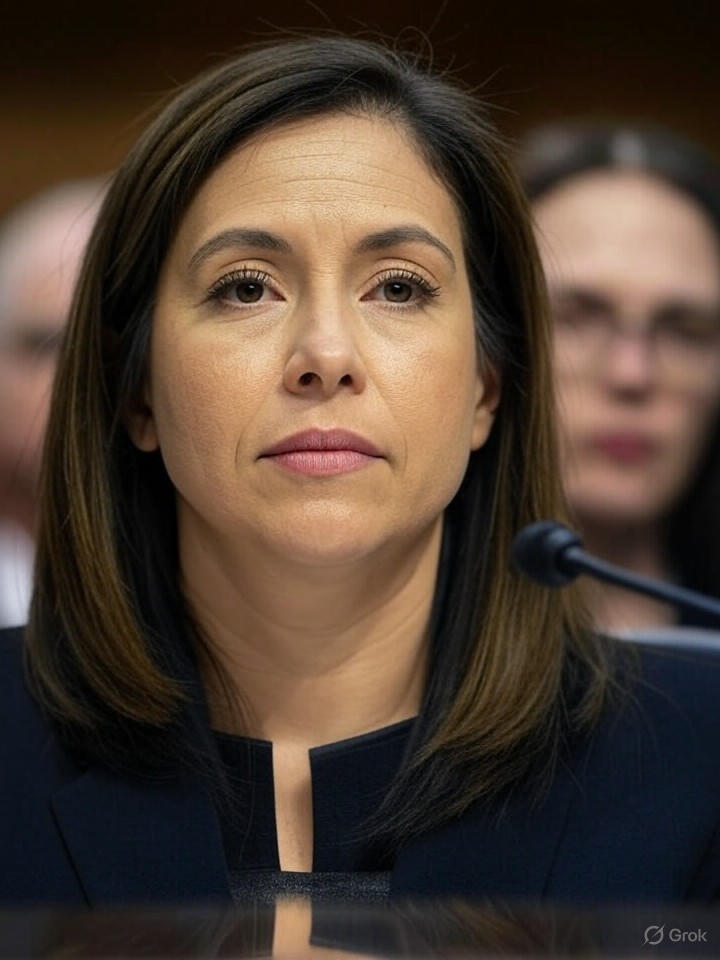
In a riveting Senate testimony on Wednesday, former Centers for Disease Control and Prevention (CDC) Director Susan Monarez leveled serious accusations against Health and Human Services Secretary Robert F. Kennedy Jr., claiming he pressured her to overhaul vaccine policies without regard for scientific evidence. Monarez, who was ousted from her position just weeks after being sworn in, described a tense confrontation where Kennedy allegedly demanded she dismiss longstanding career officials and blindly endorse changes to childhood vaccination schedules.
The hearing, held before the Senate Health, Education, Labor and Pensions Committee, unfolded amid growing concerns over the politicization of public health agencies under the current administration. Monarez detailed how Kennedy insisted on pre-approving policy shifts, including alterations to vaccine recommendations, regardless of data from CDC experts. She recounted a private meeting where Kennedy labeled agency staff as “corrupt” and accused them of endangering children, a charge that The New York Times reported as particularly inflammatory.
Pressure Tactics and Agency Turmoil
This testimony comes on the heels of Monarez’s abrupt firing in late August, which sparked resignations from other top CDC officials in protest. According to accounts in Wired, Monarez refused to comply with directives she viewed as reckless, such as committing to vaccine schedule changes without reviewing evidence. She told senators that Kennedy explicitly informed her two days before her dismissal that modifications to the childhood immunization program were imminent, a revelation that Reuters highlighted as evidence of political interference overriding scientific process.
Industry experts watching the proceedings noted the broader implications for vaccine confidence, already strained by misinformation. Monarez emphasized that such pressures could undermine decades of public health progress, potentially leading to outbreaks of preventable diseases. Her timeline of events, shared during the hearing, painted a picture of escalating demands, including requirements for all CDC decisions to receive political sign-off from Kennedy’s team.
Resignations and Leadership Vacuum
The fallout from Monarez’s ouster has left the CDC in disarray, with key deputies like Debra Houry resigning in solidarity, as detailed in reports from The Washington Post. This mass exodus has raised alarms about the agency’s ability to respond to emerging threats, from seasonal flu to potential pandemics. Senators from both parties grilled Monarez on the specifics, with GOP Chairman Bill Cassidy vowing oversight, though critics argue the hearing exposed deeper rifts in how science intersects with policy.
Monarez’s legal team has challenged the firing’s legitimacy, arguing only the president holds that authority, a point echoed in coverage by BBC News. She maintained that her refusal stemmed from a commitment to evidence-based medicine, not partisanship, and warned that Kennedy’s approach risks eroding trust in federal health institutions.
Implications for Vaccine Policy and Public Trust
Looking ahead, the testimony precedes a critical meeting of Kennedy’s appointed vaccine panel, which Politico notes could formalize controversial changes. Insiders in the pharmaceutical and public health sectors are closely monitoring this, fearing it could deter vaccination rates and complicate global health collaborations. Monarez urged lawmakers to safeguard the CDC’s independence, stressing that politicizing science endangers lives.
The hearing also spotlighted Kennedy’s history of vaccine skepticism, which Monarez said manifested in demands to fire experts without cause. As NPR reported, she described being asked to “hold the line” on unsubstantiated claims, a directive she rejected outright. This episode underscores ongoing tensions between administrative agendas and scientific integrity, with potential ripple effects on everything from school immunization mandates to international disease surveillance.
Broader Political and Health Ramifications
Critics, including former CDC officials who testified alongside Monarez, argue that such interventions could hobble the agency’s core functions. The ABC News coverage of the hearing captured Monarez’s defense of vaccine science, positioning her as a bulwark against what she called “reckless directives.” With the administration naming Jim O’Neill as interim director—a figure aligned with Kennedy’s views—the path forward remains uncertain.
For public health professionals, this saga serves as a cautionary tale about the fragility of institutional autonomy. As debates rage, the testimony may galvanize calls for legislative protections, ensuring that future CDC leaders can prioritize data over doctrine. Ultimately, Monarez’s account, as chronicled across major outlets, highlights a pivotal moment where the intersection of politics and health policy could redefine America’s approach to disease prevention for years to come.


 WebProNews is an iEntry Publication