
Unlocking Augmented Horizons: Developers Dive into Even Realities’ Smart Glasses Ecosystem
In the rapidly evolving world of wearable technology, Even Realities is making waves by opening its doors to developers eager to shape the next generation of smart glasses. The company’s recent announcement of the Even Hub platform marks a pivotal moment, inviting coders and innovators to apply for early access and build applications tailored for everyday use. This move comes at a time when augmented reality (AR) devices are transitioning from niche gadgets to potential mainstream accessories, blending seamless AI integration with unobtrusive design.
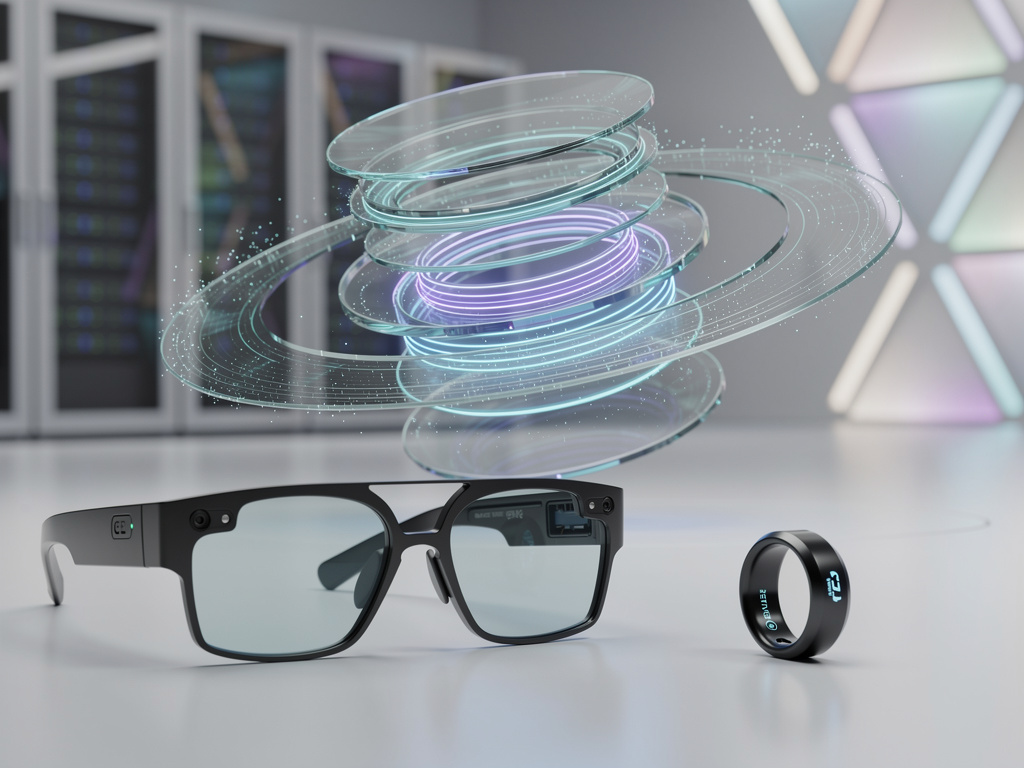
At the heart of this initiative is the Even G2 smart glasses, a device that eschews cameras and speakers to prioritize privacy and subtlety. Unlike competitors laden with recording features, the G2 focuses on delivering ambient AI prompts, translation, teleprompting, and health tracking through a lightweight frame paired with the R1 smart ring for control. Developers now have the chance to expand this ecosystem, creating apps that enhance daily life without overwhelming users.
The application process, detailed in a recent post on Android Authority, requires interested parties to submit ideas via Even Realities’ official website. This pilot program aims to foster a community of builders who can leverage the glasses’ unique capabilities, such as its display for real-time information overlays and integration with AI tools.
Pioneering Privacy-First Innovation in Wearables
Even Realities’ strategy stands out in an industry often criticized for privacy lapses. By design, the G2 avoids features that could raise surveillance concerns, a point emphasized in coverage from TWICE. This approach not only appeals to privacy-conscious consumers but also provides developers with a clean slate to innovate without the baggage of data collection ethics.
The company’s journey began with the G1 model, which garnered attention for its teleprompter functionality, as noted in social media buzz where figures like Oculus founder Palmer Luckey were spotted using them during high-profile talks. Posts on X highlight how these glasses have been embraced by executives for features like navigation and summarization, setting a foundation for the G2’s enhanced optics and ring integration.
Building on this, the Even Hub platform is positioned as a developer-friendly environment. Early applicants, as seen in enthusiastic X posts from tech enthusiasts, are already brainstorming ideas like mindfulness apps and sports trackers, signaling a groundswell of interest in practical, non-intrusive AR experiences.
From Concept to Code: The Developer Application Surge
The timing of Even Hub’s launch aligns with a broader surge in AR wearable announcements. Just weeks ago, Even Realities unveiled the G2 and R1 at a product event covered extensively by XR Today, which described the devices as part of a “product release-heavy week” among XR stakeholders. This context underscores the competitive push in the sector, with Even Realities differentiating through its focus on “quiet tech” – subtle enhancements rather than flashy disruptions.
Developers applying to the program must outline their app concepts, demonstrating how they align with the glasses’ ethos of fitting naturally into daily routines. According to insights from WIRED, the G2’s larger display and lighter frame, controlled via the R1 ring, offer a versatile canvas for apps ranging from productivity tools to wellness monitors.
Recent X activity reveals a mix of excitement and skepticism. One developer shared their application for a breathing app prototype, while others compare it to Meta’s offerings, noting the absence of gimmicks in favor of recording-free utility. This sentiment echoes broader discussions on platforms like X, where users debate the merits of privacy-focused wearables amid a flood of AI-driven gadgets.
AI Integration and the Path to Everyday Utility
Delving deeper, the Even G2’s AI features, such as automatic prompts and translation, are powered by advanced optics dubbed HAO 2.0, as detailed in Auganix. This technology allows for immersive yet discreet interactions, like projecting a 170-inch virtual screen for work, a capability highlighted in a fresh review on StartupNews.fyi.
For developers, this means access to APIs that enable seamless integration with these AI elements. The platform’s emphasis on ambient computing – where AI anticipates needs without constant user input – opens doors for innovative apps in health, education, and beyond. Industry insiders point to this as a counterpoint to more invasive devices, with Even Realities positioning itself as an alternative for those wary of Meta’s ecosystem, as discussed in the WIRED piece.
Moreover, the R1 smart ring adds a layer of control, allowing gesture-based navigation that developers can tap into for custom interactions. This hardware-software synergy is praised in reviews like one from Tom’s Guide, which calls the G2 the “quiet tech” users have been seeking, potentially revolutionizing how professionals engage with information on the go.
Community Buzz and Competitive Positioning
The developer community’s response has been swift, with X posts showcasing pre-orders and prototype ideas pouring in since the announcement. One user, a tech influencer, lauded the G2 for its confidence-boosting teleprompter, drawing parallels to its use by CEOs and VR pioneers. This organic endorsement builds on earlier hype around the G1, where social media amplified its adoption in professional settings.
Competitively, Even Realities is carving a niche amid giants like Meta and emerging players. A recent overview in CNET explores the wave of smart glasses hitting the market in 2026, noting options from various brands that promise immersive experiences. Even Realities stands apart by doubling down on AI wearables without the privacy pitfalls, as per the XR Today report.
Hacker News discussions, linked via Hacker News, reveal technical debates on the company’s GitHub repository, where developers scrutinize the open aspects of the platform. This transparency could accelerate innovation, allowing for community-driven improvements to the Even Hub.
Expanding Horizons: Future Applications and Challenges
Looking ahead, the potential for Even Hub extends to sectors like healthcare and transportation, where AR overlays could provide real-time data without distraction. Developers might create apps for surgeons viewing patient stats or commuters getting navigation cues, all while maintaining the device’s low-profile design.
Challenges remain, however. Ensuring app compatibility across diverse user scenarios will test the platform’s robustness. Insights from X indicate concerns over battery life and integration with existing ecosystems, issues that Even Realities must address to retain developer interest.
Nevertheless, the company’s official site, Even Realities, paints a vision of wearables that “enhance capabilities while fitting naturally into your day,” a mantra that resonates in current tech discourse. As more developers join the pilot, expect a proliferation of apps that push the boundaries of what’s possible in subtle AR.
Strategic Moves in a Crowded Market
Even Realities’ pivot to developer engagement mirrors strategies seen in other tech launches, such as Meta’s AR glasses developer platform mentioned in X posts. Yet, by avoiding cameras, Even Hub avoids the ethical quagmires that plague competitors, a advantage highlighted in the TWICE article.
Industry analysts, drawing from sources like the Auganix launch coverage, predict that this could lead to a vibrant app store for the G2, similar to smartphone ecosystems but tailored for AR. The inclusion of wellness tracking via the R1 ring further broadens appeal, potentially attracting developers from fitness and biohacking fields.
Recent news from Business Wire – via aggregated reports on AR intelligence – notes leaders like Meta and Samsung advancing similar tech, but Even Realities’ focus on everyday utility sets it apart. This strategic positioning could foster partnerships, amplifying the platform’s reach.
Developer Empowerment and Ecosystem Growth
Empowering developers is key to Even Hub’s success. The application surge, evident in X chatter, includes ideas for augmented mindfulness and sports apps, showcasing the platform’s versatility. One post from a Finnish developer expressed excitement over building simple, useful prototypes, reflecting a global interest.
To support this, Even Realities provides resources like SDKs, inferred from their GitHub presence discussed on Hacker News. This infrastructure is crucial for turning concepts into deployable apps, ensuring that the G2 evolves beyond its core features.
As the program rolls out, feedback loops will refine the ecosystem. Reviews like the Tom’s Guide piece suggest that user adoption hinges on meaningful apps, placing the onus on developers to deliver value without complexity.
The Road Ahead for Even Realities
The Even Hub initiative represents more than a developer call; it’s a bet on collaborative innovation in AR. By inviting early access, Even Realities is crowdsourcing the future of its devices, much like open-source models have propelled other tech advancements.
Potential hurdles include scaling production and app moderation, but the enthusiasm on X – from view counts in the hundreds of thousands for promotional posts – indicates strong market interest. Influencers comparing it to Oculus-era breakthroughs add to the narrative of Even Realities as a disruptor.
Ultimately, as detailed in the Android Authority announcement, this program could redefine smart glasses, making them indispensable tools rather than novelties. With developers at the helm, the horizon for augmented experiences looks brighter than ever, promising a blend of technology and everyday elegance that could reshape how we interact with the world.


 WebProNews is an iEntry Publication