
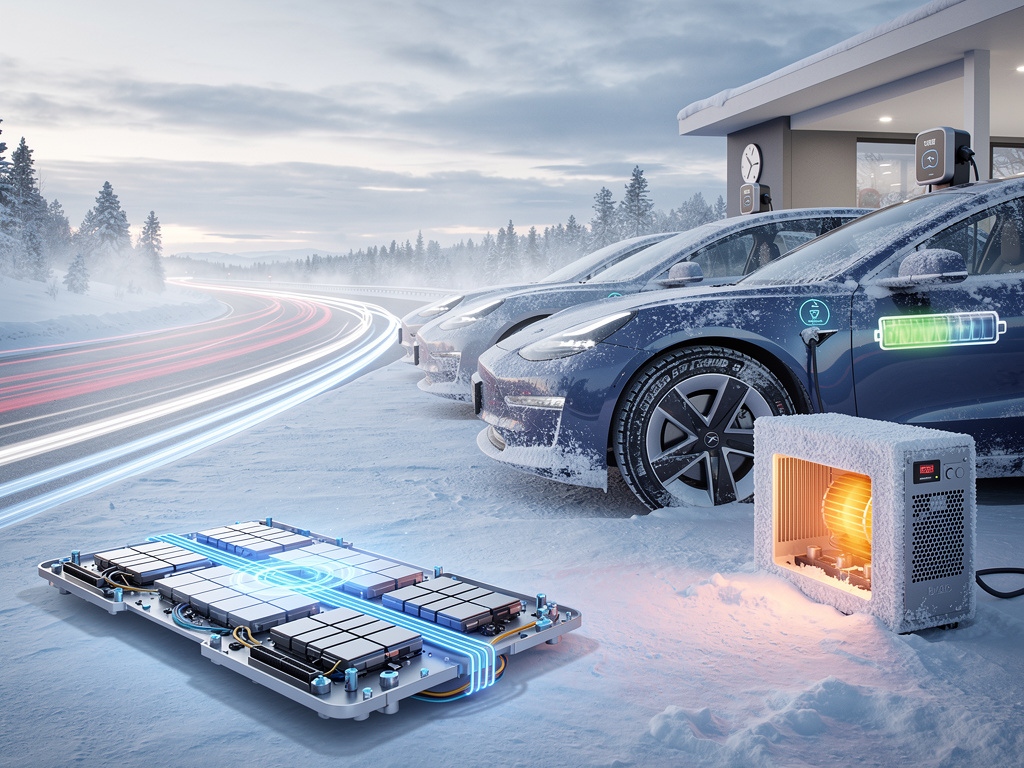
Chilling Realities: Decoding Electric Vehicle Range Drops in Winter and Mastering Mitigation Tactics
As temperatures plunge across much of the Northern Hemisphere, electric vehicle owners are once again confronting a familiar foe: diminished driving range. This seasonal challenge isn’t just an inconvenience; it’s a critical factor influencing adoption rates, infrastructure planning, and even policy decisions in the automotive sector. Recent studies and real-world data reveal that EVs can lose anywhere from 15% to 40% of their advertised range in cold weather, depending on the model, conditions, and usage patterns. But why does this happen, and what can be done to minimize the impact? Drawing from the latest research and expert insights, this exploration delves into the science behind winter range loss and offers practical strategies for EV enthusiasts and fleet managers alike.
At the heart of the issue lies the lithium-ion battery, the powerhouse of modern electric vehicles. Cold temperatures slow down the chemical reactions within these batteries, increasing internal resistance and reducing efficiency. According to a comprehensive study by Recurrent Auto, which analyzed over 30,000 vehicles, this phenomenon leads to temporary range reductions that are most pronounced below freezing. The study, detailed in their report on Best EV for Winter & Cold Weather Range, found that while all cars suffer in the cold, EVs experience a unique set of hurdles beyond just battery chemistry.
Heating the cabin exacerbates the problem. Unlike internal combustion engines, which generate waste heat that can warm the interior, EVs must draw power directly from the battery to run heaters. This energy drain can account for a significant portion of range loss. Consumer Reports, in their testing of models like the Ford Mustang Mach-E and Tesla Model Y, observed range drops of up to 20% in cold conditions, as outlined in their article Cold Temperatures Affect an Electric Vehicle’s Driving Range. Their findings underscore how unplugged EVs fare worse, emphasizing the need for strategic charging habits.
The Battery’s Cold Conundrum
Beyond basic chemistry, cold weather affects battery preconditioning and charging speeds. When temperatures dip, lithium-ion cells become less receptive to charging, leading to longer times at stations and potential incomplete charges if not managed properly. A recent piece from InsideEVs highlights the role of heat pumps in mitigating this, noting that vehicles equipped with them retain more range by efficiently recycling heat. As explained in For Maximum Winter EV Driving Range, You Want A Car With This Feature, heat pumps can reduce energy consumption for heating by up to 50% compared to traditional resistive heaters.
Real-world testing from organizations like the Canadian Automobile Association (CAA) provides stark evidence. Their study, covered in EV.com’s report Winter EV Performance Study Reveals Cold Weather Reduces EV Range By Up To 39%, showed range losses reaching 39% at -15°C for popular models including the Tesla Model 3 and Chevrolet Silverado EV. This data aligns with sentiments echoed on social platforms like X, where users frequently report substantial drops, often attributing them to a combination of battery inefficiency and auxiliary power draws.
Driving habits also play a pivotal role. Aggressive acceleration, high speeds, and frequent stops in snowy conditions amplify energy use, as tires struggle for traction and regenerative braking becomes less effective on slippery surfaces. The Electric Car Scheme’s blog post Electric Cars in Winter 2026: Range Loss & Driving Tips estimates an average 15-20% loss but notes that eco-friendly driving techniques can claw back some of that efficiency.
Heat Pumps: A Game-Changer in Efficiency
One of the most effective countermeasures is the adoption of heat pump technology, which has gained traction in newer EV models. Unlike resistive heating, which converts electricity directly into heat with significant waste, heat pumps transfer existing warmth from the outside air or battery systems into the cabin. This approach, as detailed in the InsideEVs article already referenced, can preserve up to 10-15% more range in sub-zero temperatures. Models like the Hyundai Ioniq 5 and certain Tesla variants have demonstrated superior performance in Consumer Reports’ seasonal tests, where heat pump-equipped vehicles showed markedly less degradation.
Preconditioning emerges as another key strategy. By warming the battery and cabin while the vehicle is still plugged in, owners can avoid drawing from the onboard battery during initial drives. This tactic, recommended in multiple sources including USA Today’s recent tips article Why does EV battery range plummet in cold weather? These tips can help, leverages grid power instead of depleting the vehicle’s reserves, potentially saving 5-10% of range on short trips.
Battery management systems (BMS) in modern EVs are evolving to address these issues. Advanced software can predict cold weather impacts and adjust power distribution accordingly. For instance, some vehicles automatically limit power output to preserve range, a feature highlighted in Gearbrain’s guide Used EVs in Winter: Range Loss, Heat Pumps, and Prep for prospective buyers evaluating pre-owned models via VIN checks.
Driving Smarter in the Snow
Tire choice significantly influences winter performance. All-season tires often underperform in snow, leading to higher rolling resistance and energy consumption. Switching to winter tires with lower rolling resistance, as suggested in posts from X users discussing real-time experiences, can improve efficiency by 5-7%. Core Electric Cooperative’s tips, shared on X, emphasize maintaining at least 20% charge and planning routes with charging infrastructure in mind to avoid stranding.
Aerodynamics and weight management shouldn’t be overlooked. Snow accumulation on the vehicle increases drag, while carrying unnecessary cargo adds to energy demands. The Talk Android article Why Most Electric Cars Lose Range in Winter—and How to Beat the Cold, which forms the backbone of this analysis, advises minimizing cabin heat usage by dressing warmly and using seat heaters, which consume far less power than full HVAC systems.
Fleet operators, particularly in regions with harsh winters, are turning to data analytics for optimization. By monitoring telematics, companies can schedule charging during off-peak hours when grids are stable and temperatures might be slightly warmer. Recurrent Auto’s study reinforces this, showing that proactive measures like these can reduce effective range loss to under 10% for well-managed fleets.
Innovations on the Horizon
Looking ahead, battery technology advancements promise to lessen cold weather vulnerabilities. Solid-state batteries, which operate more efficiently across temperature extremes, are in development by companies like Toyota and QuantumScape. While not yet mainstream, early prototypes suggest range retention improvements of 20-30% in freezing conditions, as noted in broader industry discussions on platforms like X.
Infrastructure adaptations are equally vital. Expanding fast-charging networks with heated stalls could alleviate charging slowdowns. In Arctic testing reported by CNET in Yes, Electric Cars Are Good in Winter, and I Drove in the Arctic to Prove It, drivers successfully navigated extreme colds by relying on preconditioned batteries and strategic stops, proving that with planning, EVs remain viable even in the harshest environments.
Consumer education plays a crucial role in bridging the gap between expectation and reality. Many new EV owners are caught off-guard by winter performance, leading to dissatisfaction. Resources from Consumer Reports and others stress the importance of understanding model-specific behaviors; for example, the Volkswagen ID.4 showed varying results in their tests, highlighting the need for personalized strategies.
Policy and Market Implications
From a broader perspective, these challenges influence market dynamics. In colder climates, hybrid vehicles often outsell pure EVs due to range anxiety concerns. Policymakers are responding with incentives for heat pump installations and research funding for cold-resistant batteries. The Electric Car Scheme’s post points to salary sacrifice schemes in the UK that make winter-ready EVs more accessible, potentially boosting adoption.
User feedback on X reveals a mix of frustration and adaptation. Posts from 2023, like those analyzing 18 EV models losing 30% range, echo ongoing concerns, while more recent ones from 2025 share success stories with tips like route planning and minimal heating. This sentiment underscores the need for manufacturers to integrate better cold-weather features standardly.
Ultimately, while winter range loss remains a hurdle, it’s not insurmountable. By combining technological upgrades, smart habits, and informed choices, EV drivers can navigate the cold with confidence. As the industry evolves, these strategies will likely become second nature, paving the way for broader electric mobility even in the frostiest locales.
Economic Angles for Industry Players
For automakers, addressing winter performance is a competitive edge. Tesla’s over-the-air updates have improved cold-weather handling, setting a benchmark that rivals like Ford and GM are racing to match. Investment in R&D for efficient heating systems could yield long-term dividends, especially as global markets demand resilient vehicles.
Supply chain considerations also come into play. Sourcing materials for advanced batteries that withstand cold requires robust logistics, potentially increasing costs but enhancing product appeal. Qmerit’s blog Winter E-Bike Range Loss: How Cold Affects Lithium-Ion Batteries & What You Can Do—while focused on e-bikes—offers parallels, noting insulation techniques that could inspire EV innovations.
In the resale market, as Gearbrain points out, vehicles with proven winter capabilities command premiums. Buyers scrutinizing used EVs for heat pumps and battery health via VIN data reflect a maturing market where cold performance is a key valuation factor.
Global Perspectives and Future Trajectories
Internationally, regions like Scandinavia lead in EV adoption despite severe winters, thanks to incentives and infrastructure. Their experiences, shared in CNET’s Arctic driving feature, demonstrate that with government support for home charging and public education, range loss becomes manageable.
Emerging markets in Asia and Europe are watching closely, adapting designs for varied climates. The push for standardization in battery tech could harmonize global performance, reducing disparities between temperate and cold zones.
As we approach 2026, the convergence of better batteries, smarter software, and user savvy promises to chill the fears surrounding winter EV driving. Industry insiders would do well to prioritize these elements, ensuring electric vehicles thrive year-round.


 WebProNews is an iEntry Publication