
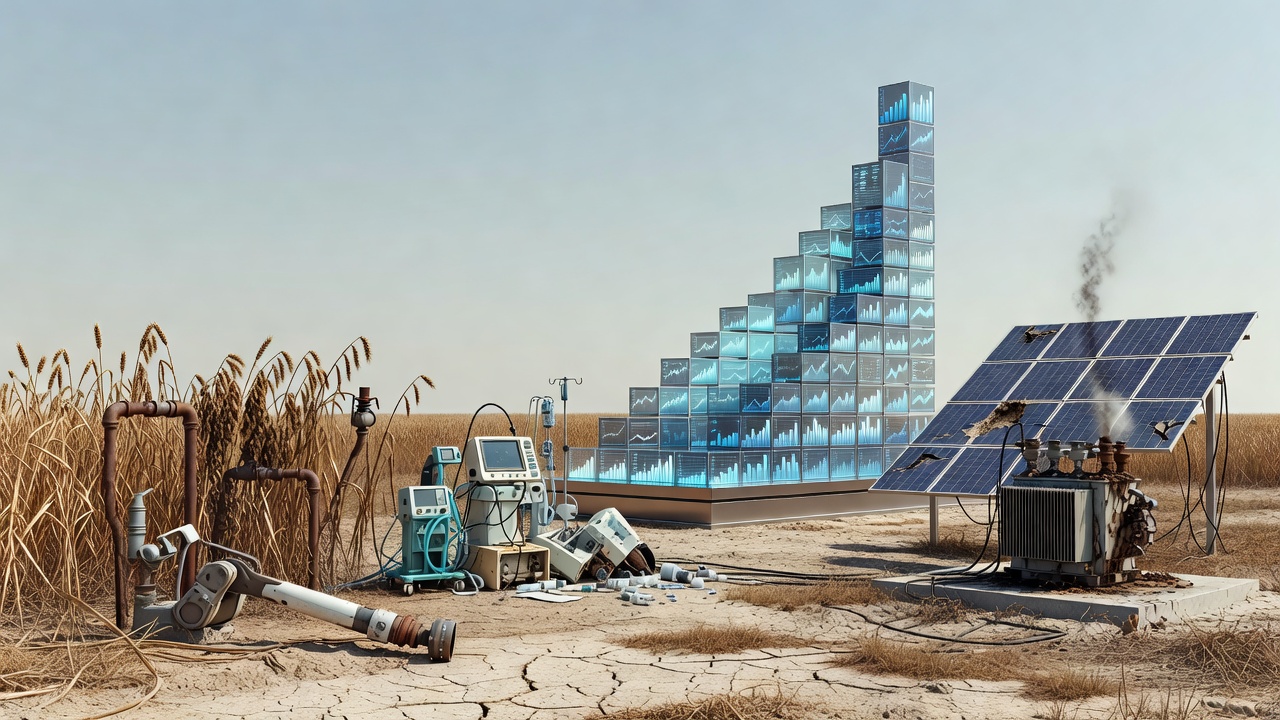
A severe heat wave gripping parts of Europe has already caused billions in economic damage this year, and projections indicate losses could climb dramatically higher by the end of the decade. According to a report highlighted in Fortune, the financial toll from extreme temperatures across the continent may reach levels that strain entire national budgets and force governments to rethink their approaches to climate adaptation.
The current wave has brought record-breaking temperatures to cities from Madrid to Athens, shutting down schools, reducing worker productivity, and overwhelming healthcare systems. Agricultural sectors have suffered visible setbacks, with crops wilting under prolonged dry conditions and livestock facing heat stress that lowers milk production and increases mortality rates. Energy demand has spiked as households and businesses crank up air conditioning units, pushing power grids to their limits and in some cases triggering rolling blackouts that compound the economic strain.
Economists tracking these patterns estimate that the direct costs from this single summer event could exceed 50 billion euros when factoring in lost wages, healthcare expenses, and diminished output across multiple industries. Construction projects have faced mandatory pauses during peak heat hours to protect workers, while transportation networks report delays from heat-related track deformations and airport runway restrictions. These immediate effects offer a preview of what lies ahead if warming trends continue without stronger intervention.
By 2030, the cumulative economic losses from heat waves across Europe could surpass 500 billion euros annually under moderate climate scenarios, the Fortune article suggests based on modeling from climate research organizations. Southern European nations stand to bear the heaviest burden, with Italy, Spain, Greece, and Portugal potentially facing annual hits equivalent to 2 to 4 percent of their gross domestic product. Northern countries will not escape unscathed, as heat waves push temperatures into ranges rarely seen in places like Germany, France, and the United Kingdom, disrupting supply chains that connect the continent.
Manufacturing facilities have begun installing specialized cooling systems, but the capital expenditure adds to operational costs that many small and medium enterprises can ill afford. Insurance companies are adjusting premiums upward in high-risk zones, making coverage more expensive for farmers and property owners. Some insurers have started withdrawing policies altogether in areas repeatedly hit by extreme weather, leaving governments to fill the gap through public relief funds that further stretch taxpayer resources.
Tourism, a cornerstone of Mediterranean economies, has shown signs of shifting patterns. While some visitors still flock to beaches, others are choosing cooler destinations or traveling during shoulder seasons to avoid the most intense heat. Hotel occupancy rates in peak summer months have dipped in several popular spots, and outdoor attractions such as theme parks and archaeological sites have shortened operating hours or introduced mandatory hydration breaks. The ripple effects touch everyone from souvenir vendors to taxi drivers who rely on steady visitor traffic.
Labor productivity emerges as one of the most significant hidden costs. Studies indicate that worker output drops by roughly 2 percent for every degree Celsius above 25 degrees Celsius in office environments, with even steeper declines in physically demanding outdoor jobs. European Union regulations already limit exposure time during extreme heat, but enforcement varies and many companies struggle to maintain schedules. Remote work offers some relief for white-collar employees, yet this option remains unavailable to millions in agriculture, construction, and logistics.
Public health systems face mounting pressure as heat-related hospital admissions rise. Elderly citizens and those with pre-existing conditions account for most cases, but younger workers are increasingly showing up with heat exhaustion after long shifts in poorly ventilated spaces. Governments have expanded early warning systems and opened cooling centers in urban areas, yet these measures require ongoing funding that competes with other budget priorities such as education and infrastructure maintenance.
The agricultural sector illustrates the breadth of challenges. Wheat yields in France and Germany have fallen below average, while olive groves in Spain and Italy show signs of reduced fruit set due to water scarcity. Wine producers report earlier harvests with altered sugar and acidity levels that affect final product quality. These changes threaten both domestic food security and export revenues that many regions depend upon. Farmers are experimenting with drought-resistant crop varieties and advanced irrigation techniques, but transition costs remain high and results uncertain in the face of increasingly unpredictable weather.
Energy markets reflect another dimension of the crisis. Demand for electricity during heat waves has grown so sharply that utilities must fire up expensive peaking plants or import power from neighboring countries at premium rates. Renewable sources like solar perform well under clear skies, yet prolonged heat can reduce panel efficiency and strain transmission lines. Hydropower generation often declines when reservoirs run low, creating a double bind for countries that rely on water for both electricity and irrigation.
Urban planning departments across the continent are accelerating efforts to redesign city environments. Tree planting programs aim to create shaded corridors that lower ambient temperatures by several degrees. Reflective roofing materials and green walls help buildings stay cooler with less energy input. However, retrofitting existing structures proves expensive and time-consuming, particularly in historic districts where preservation rules limit modifications. New construction projects increasingly incorporate passive cooling design principles, but these features add to initial costs that developers sometimes resist.
Financial markets have started pricing in climate risks more explicitly. Bond yields for municipalities in vulnerable regions have edged higher as investors demand compensation for potential future damages. Corporate balance sheets show increasing provisions for weather-related disruptions, affecting everything from retail chains to automotive manufacturers whose supply lines cross multiple climate zones. Banks are tightening lending standards for projects in flood-prone or heat-vulnerable areas, which slows economic development in precisely the regions that need investment most.
International cooperation offers one pathway toward managing these rising costs. The European Union has expanded its climate funds to help member states build resilience, yet distribution often sparks debate over which countries deserve priority. Wealthier northern nations sometimes resist contributing larger shares, while southern governments argue that historical emissions from industrialized areas created the problem they now face. These political tensions can delay critical infrastructure projects and adaptation programs that might otherwise reduce future losses.
Technological solutions are emerging to address specific pain points. Advanced weather forecasting models provide longer lead times for heat wave predictions, allowing businesses and governments to prepare. Artificial intelligence systems optimize energy distribution during peak demand periods, reducing waste and preventing outages. Precision agriculture tools help farmers apply water and nutrients more efficiently, conserving resources while maintaining yields. Still, widespread adoption requires both investment and training that not all operators can access.
Education campaigns have gained traction as communities recognize the human cost of extreme heat. Schools now incorporate lessons about climate science and personal protection measures. Workplace training programs teach employees how to recognize heat stress symptoms and take appropriate action. Public service announcements encourage vulnerable populations to check on neighbors and stay hydrated. These efforts build social resilience that complements physical infrastructure changes.
Looking toward 2030, the trajectory depends heavily on global emissions pathways. If countries meet their Paris Agreement commitments, the rate of temperature increase may slow enough to limit annual losses to manageable levels. Failure to curb emissions could push heat-related economic damages into the trillions of euros over the coming decades, overwhelming adaptation budgets and forcing painful trade-offs between different societal needs.
Business leaders have begun incorporating climate risk assessments into their long-term strategic planning. Companies with European operations are diversifying supplier networks to reduce exposure to any single region’s weather patterns. Some are relocating warehouses and data centers to cooler climates or investing in backup power systems designed for extended heat events. These decisions carry their own costs and can reshape regional economies in unexpected ways.
The insurance industry finds itself at the center of these shifts. As claims from heat-related events multiply, companies face pressure to either raise prices dramatically or develop new products that encourage risk reduction. Parametric insurance policies that pay out automatically when temperatures exceed certain thresholds offer one promising approach, though they require sophisticated data infrastructure to function effectively. Reinsurance markets are tightening, which transmits higher costs throughout the entire financial system.
Local governments experiment with innovative funding mechanisms to cover adaptation expenses. Green bonds tied to specific resilience projects have attracted investor interest, while some cities have introduced heat surcharges on high-energy users during summer months. These measures generate revenue but can spark public backlash if perceived as unfair. Balancing the need for funds with political acceptability remains an ongoing challenge for elected officials.
Research institutions continue refining their economic models to capture both direct and indirect effects of heat waves. Initial estimates often miss secondary impacts such as reduced tourism spending that affects service industries or supply chain disruptions that ripple through manufacturing. Updated projections that incorporate these factors tend to show even higher total costs, underscoring the urgency of preventive action.
Communities in rural areas face distinct difficulties compared to their urban counterparts. Limited access to cooling infrastructure and healthcare facilities makes heat waves particularly dangerous for older residents who live alone. Agricultural dependence means that crop failures translate directly into lost income with few alternative employment options available locally. Support networks of family and neighbors often step in, yet these informal systems can become overwhelmed during successive extreme events.
Coastal regions encounter additional complications as heat combines with rising sea levels and changing storm patterns. Ports that serve as vital trade gateways risk operational disruptions when extreme temperatures affect both sea and land transport simultaneously. Fishing industries report shifts in species distribution that require new equipment and training, adding financial pressure to fleets already struggling with fuel costs.
The construction sector has adapted its practices in response to regulatory changes and practical experience. Projects now include heat contingency plans that account for lost working days and material performance issues in high temperatures. Concrete pouring schedules shift to nighttime hours in some regions, while scaffolding and safety equipment must meet stricter standards to prevent heat-related accidents. These adjustments improve worker safety but extend project timelines and increase expenses that ultimately pass to clients.
Retail businesses have modified their operations to maintain customer traffic during heat waves. Shopping malls with reliable air conditioning see increased footfall as people seek relief from outdoor temperatures. Online delivery services experience surges in orders for groceries and household goods when residents prefer to stay indoors. Restaurants with outdoor seating reduce capacity or install misting systems to keep patrons comfortable, though energy costs for these amenities eat into profit margins.
The education sector faces its own set of disruptions. Schools without adequate cooling systems have closed temporarily during peak heat, forcing parents to arrange alternative childcare that affects workforce participation. Virtual learning platforms help bridge some gaps, but many students lack reliable internet access or quiet study spaces at home. Universities have adjusted academic calendars in certain countries to avoid the hottest months, though this creates scheduling conflicts with traditional summer internship programs.
Healthcare professionals report changing patterns in patient presentations during heat waves. Beyond direct heat stroke cases, they see increases in cardiovascular events, respiratory difficulties, and mental health crises linked to sleep disruption and discomfort. Medications that patients rely on for chronic conditions can lose effectiveness when stored at high temperatures, creating additional complications. Hospitals have expanded their surge capacity planning to accommodate these predictable seasonal spikes.
Transportation authorities have implemented new protocols for infrastructure maintenance. Rail operators monitor track temperatures more frequently and apply speed restrictions when expansion risks buckling. Airport runways require more frequent inspections as asphalt softens under intense sun. Road surfaces show accelerated wear from both heat and the heavy use of cooling trucks that deliver water to affected areas. These factors combine to raise maintenance budgets across all transport modes.
Financial analysts tracking European markets have noted increased volatility during heat wave periods. Stock prices for companies in vulnerable sectors often dip as investors reassess earnings projections. Energy utilities sometimes see temporary gains from higher electricity sales, though these are offset by higher fuel costs and potential regulatory penalties for grid failures. Agricultural commodity prices fluctuate based on yield forecasts, affecting both producers and consumers across the supply chain.
The cultural sector has responded creatively to the changing climate. Outdoor festivals have moved to evening hours or indoor venues, while museums have adjusted visiting hours to protect both artifacts and patrons from excessive heat. Theater companies report challenges with costume design and stage lighting that generate additional warmth. These adaptations preserve access to arts and entertainment while highlighting the pervasive nature of temperature impacts on daily life.
Looking forward, European leaders face difficult choices about resource allocation. Investing in adaptation measures today can reduce damages tomorrow, yet budget constraints and competing priorities make every decision contentious. Public support for climate action remains strong in principle, but willingness to accept higher taxes or reduced services to fund resilience projects varies across demographics and regions. Successful policy will require transparent communication about both risks and benefits of different approaches.
The economic losses from European heat waves represent more than abstract figures on balance sheets. They reflect real impacts on families, businesses, and communities that must adjust to conditions outside historical experience. As temperatures continue rising, the choices made in the coming years will determine whether these costs remain within acceptable bounds or escalate beyond the capacity of current systems to absorb them. The Fortune analysis serves as a timely reminder that preparation now can significantly influence the scale of challenges ahead.


 WebProNews is an iEntry Publication