
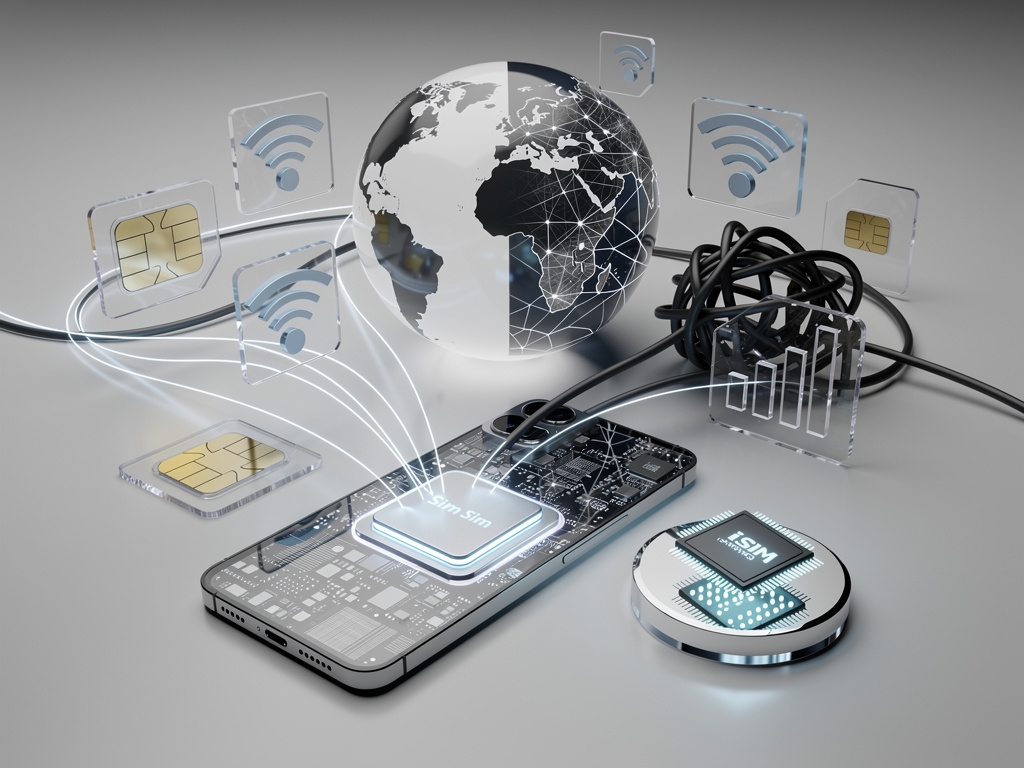
The eSIM Mirage: Promises of Seamlessness Meet Real-World Frustrations in 2026
In the evolving world of mobile connectivity, embedded SIM technology, or eSIM, has been heralded as a game-changer, promising to eliminate the hassle of physical cards and streamline global roaming. Yet, as adoption accelerates into 2026, a chorus of user regrets and operational hurdles is emerging, painting a more nuanced picture of this digital shift. From travelers grappling with activation woes to enterprises facing deployment snags, the technology’s challenges are prompting a reevaluation of its purported benefits.
Take the case of individuals who have made the leap to eSIM-only devices. Many report that what was sold as convenience often devolves into complexity, particularly during device upgrades or carrier switches. A recent account in Wired details one user’s ordeal, where transferring an eSIM between phones turned into a multi-hour saga involving carrier verifications and temporary service blackouts. This isn’t an isolated incident; similar stories abound, highlighting how eSIM’s integration with carrier systems can introduce unexpected delays.
Beyond personal anecdotes, industry reports underscore systemic issues. According to insights from IoT Business News, deployments in 2026 are scaling up, but friction points in factories and backend integrations persist, often unmentioned by vendors. These include operator readiness gaps that leave users stranded without connectivity during critical moments.
Deployment Hurdles in Enterprise Settings
For businesses, the promise of eSIM lies in its potential for seamless device management across fleets, especially in IoT applications. However, real-world implementation reveals cracks in this foundation. Factories integrating eSIM into devices encounter compatibility issues with existing manufacturing lines, leading to production delays and increased costs. Backend systems, meant to handle remote provisioning, frequently clash with legacy infrastructure, requiring costly overhauls.
User experiences further illuminate these enterprise challenges. Posts on X from tech enthusiasts and professionals describe protracted activation processes, where confirmations via email and calls extend into hours, disrupting workflows. One such post lamented the inability to receive SMS for 24 hours post-transfer, crippling access to essential services like banking OTPs—a frustration echoed in multiple user threads.
Moreover, regulatory variances across regions compound these problems. In areas with stringent data privacy laws, eSIM provisioning must navigate complex compliance requirements, slowing down global rollouts. A piece in eSIM Graham Miranda from late 2025 anticipated these obstacles, noting how device compatibility and regional restrictions continue to hinder widespread adoption into 2026.
Consumer Regrets and Activation Nightmares
Shifting focus to everyday consumers, the transition to eSIM often begins with enthusiasm but ends in regret. Travelers, in particular, have embraced eSIM for its borderless connectivity, yet many find themselves wrestling with unreliable activations abroad. A report from Alertify reflects on 2025’s lessons, predicting 2026 as a breakout year, but user feedback suggests otherwise, with complaints about plans failing to activate due to network incompatibilities.
On social platforms like X, sentiments run high. Users share tales of being “stuck in limbo” during transfers, unable to receive verification texts because their service is in flux—a vicious cycle that physical SIMs avoided by allowing quick swaps. This echoes older concerns, such as those from 2022 X posts resurfacing in discussions, where reviewers preferred physical SIMs for their simplicity and reduced carrier dependency.
Security concerns add another layer of unease. While eSIMs are embedded and theoretically harder to tamper with, the digital nature introduces new vulnerabilities. Hacking attempts or carrier-side errors can lock users out entirely, as detailed in Ars Technica, where one switcher regretted the loss of control over their own connectivity.
Travel and Global Connectivity Struggles
For globetrotters, eSIM’s allure is undeniable: one digital profile covering multiple countries without swapping cards. Innovations like those from eSIMTrav promote plans spanning 190+ nations for 2026 adventures. Yet, real experiences reveal gaps, such as inconsistent coverage in remote areas or during peak travel seasons, leaving users disconnected when they need it most.
Recent news highlights evolving applications, like RayNeo’s unveiling of eSIM-enabled AR glasses at CES 2026, as reported in PR Newswire. This points to broader integration beyond phones, but it also amplifies risks—if a wearable’s eSIM fails, users could lose augmented reality features mid-use, blending convenience with potential frustration.
X posts from travelers underscore these issues, with complaints about topping up plans mid-trip only to face funding hurdles or service cuts, turning a lifeline into a liability. Such experiences contrast with optimistic forecasts, like those in Airalo Blog, which envisioned transformative connectivity but overlooked persistent user pain points.
Carrier Dependencies and Market Growth Paradox
At the heart of many eSIM woes is the deepened reliance on carriers. Unlike physical SIMs, which users could physically control, eSIMs tether subscribers to provider ecosystems for activations and transfers. This shift, as critiqued in Wired, empowers carriers but disempowers users, especially when support falters. Longtime customers report being bounced between departments, as seen in recent X complaints directed at providers like EE.
Despite these challenges, market projections remain bullish. A surge to $6.29 billion by 2032, noted in WebProNews, indicates growth fueled by sustainability and IoT demands. However, this expansion coexists with user frustrations, creating a paradox where adoption rises even as satisfaction dips.
Insights from Telecoms.com explore how 2025 redefined eSIMs, setting the stage for 2026 breakthroughs. Yet, without addressing core issues like streamlined transfers, the technology risks alienating its base.
Innovations on the Horizon Amid Persistent Issues
Looking ahead, advancements like integrated SIM (iSIM) aim to mitigate some eSIM drawbacks by embedding connectivity directly into device chipsets, potentially reducing deployment friction. IoT Business News discusses these evolutions, warning of unadvertised challenges in lifecycle operations that could temper enthusiasm.
Consumer education emerges as a critical need. Many regrets stem from inadequate preparation, with users unaware of transfer protocols or backup options. Resources like EnosTech illustrate eSIM’s role in specific locales, such as Costa Rica, where it enhances travel but demands tech-savvy handling.
On X, discussions evolve from outright rejection to calls for improvements, with users advocating for better digitization to avoid in-person fixes—a sentiment strong in regions lagging in infrastructure.
Balancing Benefits with Realistic Expectations
eSIM’s environmental edge, reducing plastic waste from physical cards, remains a strong selling point. Yet, as Alertify notes, 2025’s travel reshaping hasn’t fully translated to seamless 2026 experiences, with users learning hard lessons about dependency on stable networks.
Industry insiders suggest hybrid approaches—devices supporting both eSIM and physical slots—as interim solutions, allowing flexibility during transitions. This could bridge gaps until protocols mature, addressing complaints like those in Ars Technica about eSIM’s complications versus physical simplicity.
Ultimately, while eSIM pushes connectivity forward, its 2026 reality demands tempered optimism. By heeding user feedback and refining processes, stakeholders can transform current frustrations into future reliability, ensuring the technology lives up to its revolutionary promise.


 WebProNews is an iEntry Publication