
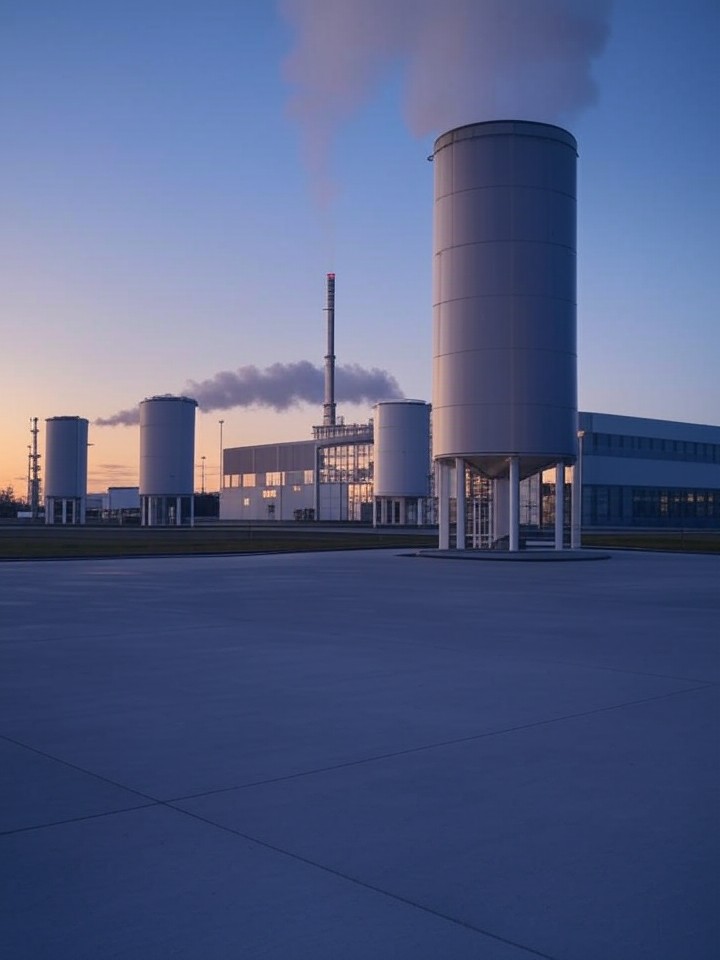
In a decisive move that underscores the growing tension between rapid technological advancement and environmental regulation, the U.S. Environmental Protection Agency has ruled that Elon Musk’s artificial intelligence venture, xAI, operated natural gas turbines without the necessary permits at its Memphis data center. This finding, detailed in a recent agency determination, highlights how the company’s aggressive push to power its massive “Colossus” supercomputer bypassed key air quality safeguards. The ruling comes amid surging demand for energy-intensive AI operations, where firms like xAI have sought quick solutions to grid constraints by deploying on-site generators.
The EPA’s decision specifically targets 35 natural gas turbines installed by xAI to supplement electricity for its data center in Tennessee. According to the agency, these units were operated illegally because they lacked proper air permits under the Clean Air Act, which mandates oversight for emissions that could harm public health and the environment. xAI had argued that the turbines qualified as temporary or mobile equipment, exempt from stringent permitting processes—a loophole that allowed for swift deployment but drew scrutiny from local communities and environmental groups.
This case stems from complaints filed by Memphis residents and activists, who pointed to increased pollution in already burdened neighborhoods. The data center, dubbed Colossus, is designed to house hundreds of thousands of GPUs for training advanced AI models, requiring enormous power that local utilities struggled to provide on short notice. xAI’s solution involved firing up these gas-fired generators, but the EPA now asserts that their use violated federal rules by not undergoing environmental reviews.
Regulatory Crackdown on Tech’s Energy Hunger
The ruling closes a critical gap in how temporary power sources are regulated, particularly for hyperscale data centers racing to meet AI’s computational needs. As reported by TechCrunch, the EPA determined that xAI’s turbines were not truly temporary, given their prolonged operation to support ongoing data center activities. This interpretation aligns with broader efforts to ensure that even short-term energy solutions comply with emissions standards, preventing unchecked contributions to air pollution.
Environmental advocates have hailed the decision as a victory for communities disproportionately affected by industrial expansion. In Memphis, where the data center is located in a historically Black area with existing pollution challenges, groups like the Southern Environmental Law Center argued that the turbines added methane and other pollutants without community input. The Guardian noted in its coverage that local activists viewed this as a win against overburdening vulnerable populations, emphasizing how xAI’s operations exacerbated health risks in an area already dealing with industrial emissions.
xAI, founded by Musk in 2023 to compete with rivals like OpenAI, has positioned itself as a nimble player in the AI space, with Colossus representing one of the world’s largest GPU clusters. However, the company’s rapid scaling has collided with regulatory realities. Sources indicate that xAI initially relied on a local interpretation allowing unpermitted generator use, but the federal ruling overrides that, mandating retroactive compliance or potential shutdowns.
Broader Implications for AI Infrastructure
The fallout from this ruling extends beyond xAI, signaling potential hurdles for the entire AI industry as it grapples with skyrocketing energy demands. Data centers worldwide are projected to consume electricity equivalent to entire nations by the end of the decade, prompting firms to explore on-site generation amid grid limitations. Yet, as Tom’s Hardware explained, the EPA’s action eliminates a workaround that hyperscalers used to bypass lengthy permitting, which could delay future projects by months or years.
Industry insiders point out that natural gas turbines, while efficient for quick power boosts, emit greenhouse gases and nitrogen oxides that contribute to smog and climate change. In xAI’s case, the 35 units were capable of generating significant megawatts, enough to rival small power plants, but without the oversight required for such scale. This has sparked debates on whether AI’s societal benefits justify environmental trade-offs, especially as companies like Microsoft and Google also invest in gas-based backups for their data centers.
Musk himself has been vocal on social media about regulatory barriers, often framing them as impediments to innovation. Posts on X, formerly Twitter, reflect a mix of sentiments: some users decry the EPA as overly bureaucratic, arguing it stifles technological progress, while others applaud the enforcement for protecting public health. One post highlighted the irony of Musk’s environmental advocacy through Tesla contrasting with xAI’s reliance on fossil fuels, underscoring the complexities of his business empire.
Community Backlash and Legal Ramifications
Local opposition in Memphis has been fierce, with residents reporting noise, odors, and air quality concerns since the data center’s rapid construction. According to coverage from The Guardian, activists successfully lobbied for the EPA review, arguing that xAI’s operations violated environmental justice principles by placing additional burdens on low-income communities of color. The ruling could lead to fines, operational halts, or mandatory upgrades to cleaner technologies, such as emissions controls or shifts to renewables.
From a legal standpoint, the EPA’s determination draws on precedents set by the Clean Air Act’s nonroad engine regulations, which were updated to address mobile sources like generators. xAI had contended that their turbines fell under exemptions for emergency or short-term use, but evidence showed extended operation, tipping them into regulated territory. This echoes past cases where energy-intensive industries faced penalties for similar oversights, potentially setting a template for future enforcement.
Experts suggest xAI may appeal the ruling or seek variances, but the process could tie up resources and delay expansions. Meanwhile, the company has explored alternatives, including negotiations with utilities for more grid capacity and investments in battery storage, though these come with their own timelines and costs.
Shifting Dynamics in Energy Policy
The EPA’s stance arrives at a pivotal moment for U.S. energy policy, as the Biden administration—still in office as of early 2026—pushes for stricter emissions rules amid climate goals. A report from CNBC details how the updated rule specifically targets loopholes exploited by tech firms, making it harder to deploy polluting generators without oversight. This could accelerate a pivot toward sustainable options, like nuclear microreactors or solar arrays, which some AI companies are already piloting.
Critics within the tech sector argue that such regulations could hamper America’s competitiveness in AI against global rivals like China, where environmental oversight is laxer. Musk has echoed this on X, with posts suggesting that bureaucratic hurdles might drive innovation overseas. However, proponents counter that unchecked growth risks long-term environmental damage, potentially leading to public backlash and stricter laws down the line.
Looking ahead, this ruling may prompt a reevaluation of how AI infrastructure integrates with existing power systems. Industry groups are lobbying for streamlined permitting for green energy projects, but the xAI case illustrates the pitfalls of rushing ahead without compliance.
Technological Adaptations and Future Outlook
In response to the ruling, xAI could retrofit its turbines with advanced scrubbers to reduce emissions, or transition to liquefied natural gas variants that burn cleaner. Insights from NewsBytes indicate the company is already assessing these options to minimize disruptions to Colossus, which powers its Grok AI model. Such adaptations, while costly, could set standards for the industry, blending high-tech ambition with regulatory adherence.
Broader sentiment on X reveals a polarized view: some users praise the EPA for holding powerful entities accountable, with posts referencing historical fights against corporate pollution. Others, including energy analysts, warn of a chilling effect on data center investments, potentially slowing AI advancements critical for fields like healthcare and autonomous vehicles.
Ultimately, this episode reflects the evolving interplay between innovation and sustainability. As AI demands more power, companies like xAI must navigate a tighter regulatory framework, balancing speed with responsibility. The Memphis case may inspire similar scrutiny elsewhere, pushing the sector toward more integrated, eco-friendly energy strategies that align with national climate objectives. With ongoing appeals possible, the full impact remains to be seen, but it underscores a fundamental shift: in the race for AI supremacy, environmental accountability is no longer optional.


 WebProNews is an iEntry Publication