
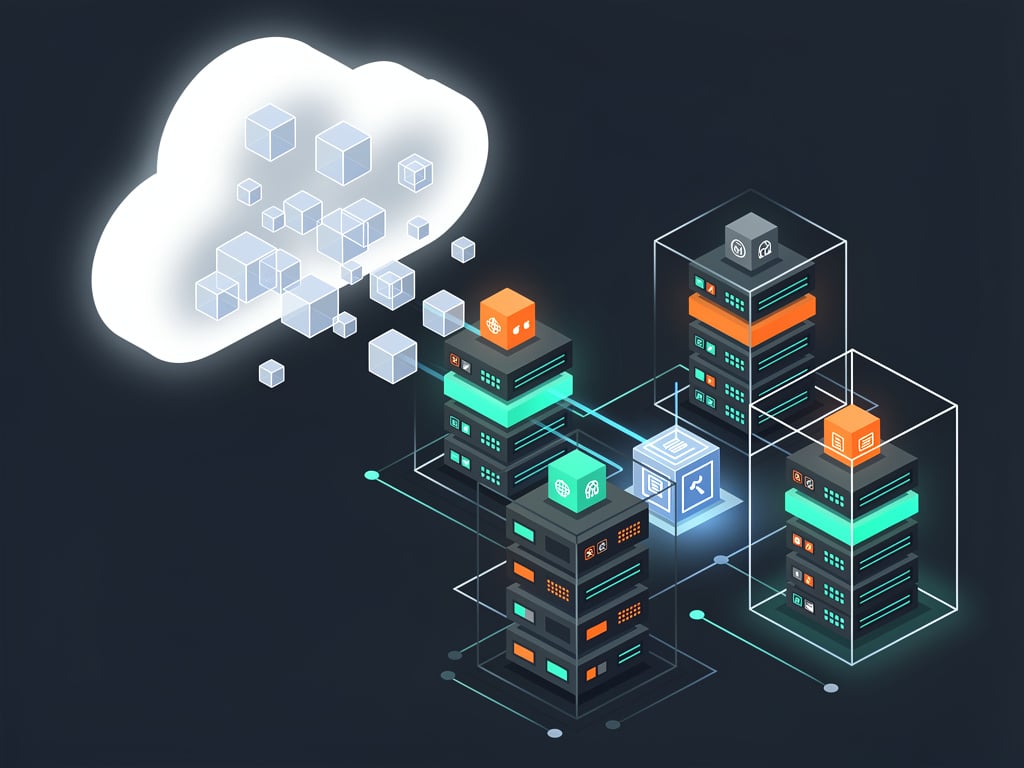
Two decades ago enterprises chased the promise of borderless cloud storage. Data could live anywhere. Teams accessed it from anywhere. Costs dropped and speed improved. Convenience ruled.
That era has ended. Physical servers sit in specific buildings subject to specific national laws. Geopolitical tensions expose the risks. Regulations multiply. Enterprises now demand architectures that keep data under their command. Sovereign file architectures answer that call.
These systems separate the application layer from the underlying data stores. Organizations decide exactly where files reside and which rules govern them. Control returns to the owner rather than the provider. The shift marks a fundamental change in enterprise IT strategy.
Digital Trends outlined the problem clearly last week. Early cloud adopters treated storage regions as interchangeable. They ignored where data actually sat. Providers often obscured locations and downplayed jurisdictional questions. The result was a sovereignty gap. Companies lost track of who could access their information and under what legal authority.
Data residency marks the physical location. Data sovereignty defines the legal control. One high-profile data management company told IBM that residency answers where while sovereignty answers who. The distinction matters more each year.
Global events accelerated the reckoning. Power outages, policy reversals, even territorial changes can cut off access or expose data. Boardrooms now treat governance as a top priority. Hybrid models gained favor. Less sensitive information crosses borders. Critical files stay closer to home.
Survey data confirms the momentum. BARC polled 320 companies earlier this year for its Data Sovereignty 2026 report. Fifty-one percent called the issue very important, up from 42 percent in 2025. Seventy-six percent expect its weight to grow. Yet 40 percent have made no related investments and only 10 percent hold dedicated budgets.
Dr. Carsten Bange, BARC founder and CEO, put the stakes in plain terms. “Sovereignty in 2026 has moved beyond a compliance add-on and has become a prerequisite for safely scaling data and AI in productive core processes.” Many initiatives stall after strategy sessions. Technical hurdles and personnel shortages block progress. Organizations need repeatable patterns and clear governance.
Legal requirements still drive much of the activity at 61 percent. Political developments in the United States climbed to 54 percent. Cybersecurity concerns and cloud dependencies also rose. Inside companies the push comes from heavy data and AI use in core operations.
Some firms act decisively. Planetek, an Italian geospatial specialist, grew tired of uncertainty. Its data location remained vague under global providers. CTO Sergio Samarelli explained the frustration in a Nutanix Forecast article published in February. “We didn’t know exactly where our data was when we used global cloud providers. So, we are adding capabilities to be fully in control of some of our data.”
Planetek partnered with Cubbit to build a sovereign storage platform. The system brings critical geospatial information back under local authority. It supports the full cycle from collection to secure sharing. Compliance with European rules becomes straightforward. An American provider might face U.S. government requests that violate EU regulations. That mismatch no longer works.
Gartner forecasts that more than 75 percent of European and Middle Eastern enterprises will geopatriate workloads by 2030. They will move data and applications out of global public clouds into sovereign clouds, regional providers or their own facilities. The practice once limited to banks and governments now spreads widely amid geopolitical strain.
Gene Alvarez of Gartner noted that adopting a sovereignty posture from providers improves control, compliance and customer trust. Hyperscalers respond. Microsoft, Google and Amazon expand regional offerings and national cloud variants in Europe.
Nutanix released its distributed sovereign cloud capabilities in late 2025. The platform delivers unified management across virtual machines and containerized applications in distributed environments. Air-gapped Kubernetes clusters create isolated boundaries that enforce strict data rules. Resilience improves without sacrificing flexibility.
File systems sit at the heart of these new designs. Traditional storage ties metadata tightly to each device or cloud silo. Movement creates copies, versions and complexity. Hammerspace takes a different path, according to its analysis of sovereign AI needs. It gathers file system metadata into a single plane while leaving actual data in place across on-premises, multiple clouds and regions.
A global namespace emerges. Policy engines apply rules at the individual file level. Geo-fencing tags keep EU-restricted information inside approved borders. Access happens through standard NFS or S3 clients at high speed. Administrators gain one control point for permissions and auditing. No unnecessary duplication occurs. AI pipelines consume data without new silos.
That metadata-driven approach turns sovereignty into an operational reality rather than a checkbox. Replication stays within approved zones. Classification and audit trails travel with the files. Complexity drops.
Challenges remain. Technical demands jumped sharply in the BARC survey. Forty-three percent of respondents cited them as obstacles, up from 26 percent the prior year. Forty-four percent point to shortages of skilled people. North American organizations fund these efforts at higher rates than European counterparts. Seventy-three percent versus 56 percent. Those with dedicated budgets report stronger innovation gains.
Governments push harder. The European Union advances Gaia-X to federate secure data infrastructure under its rules. China and India impose localization requirements for sensitive categories. Nations treat digital assets as strategic.
Enterprises that master these architectures gain advantages. They scale AI on their own terms. They reduce vendor lock-in. They demonstrate compliance without friction. They protect against sudden access demands from foreign authorities.
The old cloud model assumed trust in distant providers. That assumption frayed. New file architectures restore visibility and authority. Data stays where it must. Rules apply as intended. Control becomes a design feature, not an afterthought.
Implementation varies. Some start with hybrid clouds that mix private and sovereign public capacity. Others repatriate aggressively. A few build entirely independent stacks. Success hinges on clear policies, automated enforcement and skilled teams. Those who invest early position themselves for the next decade of regulated computing.
So the borderless dream fades. In its place rises something more deliberate. Enterprises now treat data location and legal authority as core architectural decisions. Sovereign file systems give them the tools to act on that realization. The transition is underway. And the organizations that execute it well will set the standard for enterprise IT in the years ahead.


 WebProNews is an iEntry Publication