
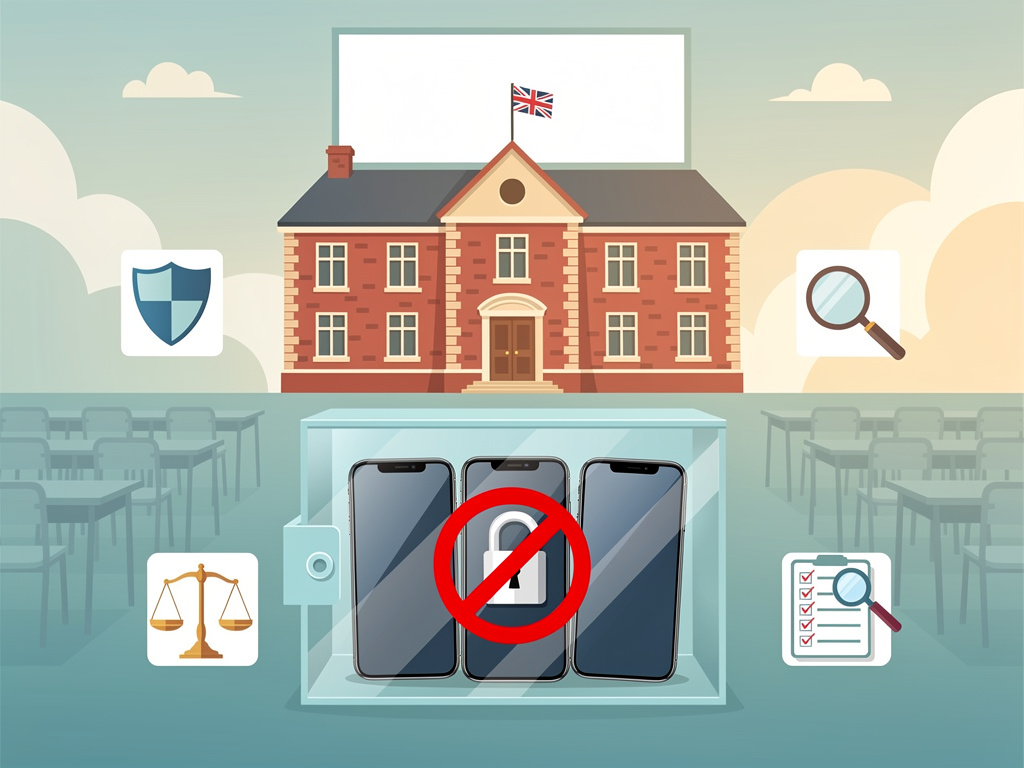
Parliamentary pressure has forced the UK government to make mobile phone bans in English schools a legal mandate. Ministers, who long insisted existing guidance sufficed, now plan to embed the prohibition into the Children’s Wellbeing and Schools Bill. This shift came swiftly on April 20, 2026, during House of Lords debates.
The amendment transforms non-statutory advice into binding law. Schools must prohibit phones throughout the day—lessons, breaks, lunch. Exceptions? Rare, for medical needs or sixth-formers perhaps. Enforcement ramps up via Ofsted inspections, already scrutinizing policies from this month.
Baroness Jacqui Smith, education minister, addressed peers directly. “We recognise the strength of feeling on this issue, both in this house and beyond,” she said. “We are committing to tabling an amendment in lieu which will place the existing guidance on a statutory footing on the face of the bill, creating a clear legal requirement for schools.” A Department for Education spokesperson echoed: “We have been consistently clear that mobile phones have no place in schools, and the majority already prohibit them. This amendment makes existing guidance statutory, giving legal force to what schools are already doing in practice.” (The Guardian)
Compliance was never the full story. Children’s Commissioner data from last year shows 99.8% of primary schools and 90% of secondaries had restriction policies. Yet 58% of secondary pupils reported unauthorized use in lessons—65% among key stage 4. Policies varied: some banned bringing phones; others allowed ‘out of sight’ storage. Enforcement lagged. (Children’s Commissioner)
And now. Law closes loopholes.
Government U-Turn Amid Broader Safeguards
The bill itself packs heft—the biggest child protection overhaul in decades. Compulsory registers for absent pupils. Crackdowns on social care profiteering. Unique identifiers for welfare tracking. Opposition peers stalled it, demanding phone action. Conservatives and Liberal Democrats pushed amendments; one passed 276-169. Ministers called it a “pragmatic measure” to advance the package. No more delays.
Reactions split along predictable lines. Conservative shadow Laura Trott hailed “fantastic news” for heads, parents, pupils—after Labour once dismissed bans as gimmicks. Liberal Democrat Caroline Voaden claimed victory: “By dragging the government kicking and screaming… we have delivered a major win.” Union leaders tempered enthusiasm. Pepe Di’Iasio of the Association of School and College Leaders noted: “A statutory ban doesn’t really change very much. Most schools already have policies.” He urged funding for lockers or pouches. Paul Whiteman of the National Association of Head Teachers welcomed clarity: “Statutory guidance will give school leaders the clarity they need.” (BBC News, TES)
Safety objections surface. Pupils need phones for emergencies? Guidance counters: Use on journeys to school. Call staff inside via office lines. No disruption there. Broader worries—bullying, distractions—fade with bans. Studies link phone-free zones to better focus, engagement. Quebec’s 2024 rollout saw gains; Sweden invests $137 million in textbooks, banning phones this autumn.
But implementation looms large. Schools choose methods: lockers at arrival, hand-ins to staff, sealed pouches. All align with DfE options—phones off, inaccessible. Staff can’t use personal devices before pupils, save essentials. Sanctions? Confiscation, searches lawful under rules. Equality Act demands adjustments for disabilities, like glucose monitors.
Headteachers face parents pushing back. Statutory force arms them. Bridget Phillipson, education secretary, wrote heads in January: Phones barred all day, no calculators or research excuses. Ofsted backs it fully. Yet funding gaps persist. Di’Iasio’s call for storage cash echoes across X, where teachers and parents debate. One post: “Finally safeguarding children is on the agenda.” Another frets over tech’s data-logging perks. (DfE Guidance)
Context matters. This isn’t isolated. January 2026 guidance toughened: “Mobile phone-free by default.” Ofsted probes from April. A lawsuit seeks wider smartphone curbs; consultations mull under-16 social media bans. Parents’ pacts delay smartphones till year 9. Labour resisted legislation—until now. U-turn? Pragmatism, say ministers. Politics, charge critics.
Devolution complicates. Scotland empowers heads via 2024 guidance. Wales allows school bans, no national rule. Northern Ireland pilots wrap soon. England leads with law.
Outcomes uncertain. Will grades rise? Bullying drop? Distractions vanish? Evidence suggests yes—in compliant schools. Only 13% of secondaries fully separate phones now, per Policy Exchange. Statutory push could double that. Enforcement key. Ofsted’s gaze sharpens.
One thing clear. Classrooms prioritize focus over feeds. Phones out. Learning in.


 WebProNews is an iEntry Publication