
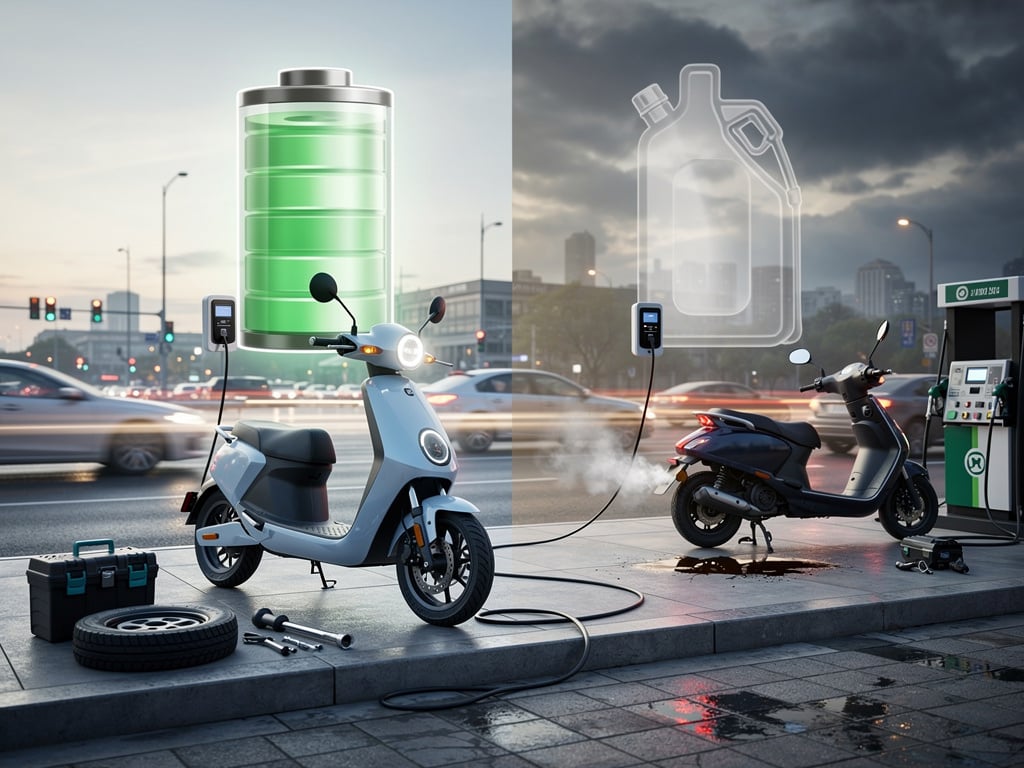
Electric scooters have gained attention as gas prices climb and commuters search for affordable ways to get around town. With fuel costs fluctuating and urban congestion worsening in many areas, people wonder whether switching to a battery-powered two-wheeler makes financial sense. The question deserves a close look at purchase prices, operating expenses, maintenance needs, and real-world performance compared with traditional gasoline-powered vehicles.
According to an analysis by CNET Roadshow, the decision depends heavily on how often a rider uses the scooter and the distance of typical trips. For someone who drives a car less than 20 miles per day and lives in a city with decent infrastructure for two-wheelers, an electric scooter can deliver noticeable savings within the first year. Those who rely on a car for long highway commutes or family errands will likely see smaller benefits or even higher overall costs when factoring in safety equipment and weather limitations.
The upfront investment represents the largest barrier. Quality electric scooters range from about $500 for basic commuter models to well over $2,000 for versions with larger batteries, better suspension, and higher top speeds. In contrast, a used gasoline scooter can sometimes be found for under $1,000, though newer models with modern emissions controls often cost more. When comparing sticker prices alone, the electric option appears more expensive. However, the absence of fuel purchases quickly narrows that gap.
Electricity costs far less than gasoline for equivalent distance traveled. The average electric scooter consumes roughly 0.2 to 0.4 kilowatt-hours per mile. At typical residential electricity rates around 15 cents per kilowatt-hour, that translates to approximately 3 to 6 cents per mile. Gasoline scooters, even efficient 50cc models, usually achieve between 80 and 120 miles per gallon. With gas averaging $4 per gallon nationally, fuel costs run between 3.3 and 5 cents per mile. The numbers look close until one accounts for the fact that many gasoline scooters require premium fuel or more frequent oil changes, which electric models avoid entirely.
Maintenance differences create another layer of savings. Traditional scooters need regular oil changes, spark plug replacements, air filter cleaning, and chain or belt adjustments. These services add up over time, often requiring trips to a mechanic. Electric scooters replace most of that schedule with occasional brake pad checks and tire rotations. The electric motor contains few moving parts compared with an internal combustion engine, reducing the chance of mechanical failure. Battery degradation remains the primary long-term concern, yet most modern lithium-ion packs retain at least 70 percent capacity after three years of daily use, and many manufacturers offer warranties covering that period.
Insurance and registration requirements vary by state and scooter classification. Many electric models under a certain speed and power threshold qualify as electric bicycles rather than motor vehicles, eliminating the need for motorcycle insurance or annual registration fees in some jurisdictions. Gasoline scooters almost always require full motorcycle registration, title transfer, and liability coverage. Over five years, these administrative costs can exceed several hundred dollars, tilting the financial advantage further toward electric options for budget-conscious riders.
Weather and storage considerations affect daily usability and therefore the potential savings. Rain, snow, and extreme cold reduce battery efficiency and can make riding uncomfortable or unsafe. Riders who store their scooters outdoors may need additional accessories like waterproof covers or heated grips, adding to the total ownership cost. Those with access to a garage or covered parking spot avoid many of these complications and maximize the value of their investment.
Safety equipment represents another necessary expense that many first-time buyers overlook. A quality helmet, reflective clothing, sturdy gloves, and possibly knee and elbow pads can easily total $300 or more. While car drivers also need insurance and occasional maintenance, they rarely face the same level of exposure to road hazards that scooter riders encounter. This reality means electric scooter owners should budget for protective gear and perhaps even a basic first-aid kit as part of responsible ownership.
Charging infrastructure plays a significant role in convenience. Most electric scooters charge through a standard household outlet, reaching full power in four to eight hours depending on battery size. Riders who can plug in at home or work enjoy essentially free energy replenishment. Public charging stations remain relatively rare compared with gas stations, though their numbers continue to grow in major cities. For those without easy access to electricity, the practical savings diminish because they may need to rely on paid charging services or carry spare batteries.
Range anxiety affects some potential buyers, yet real-world testing shows that most commuters rarely need more than 30 miles of range per day. Entry-level electric scooters typically offer 20 to 40 miles on a single charge, while mid-range models can exceed 60 miles. These figures drop in cold weather or when carrying heavy loads, so buyers should select a scooter with buffer capacity beyond their average daily needs. The CNET Roadshow evaluation found that riders who stayed within 80 percent of advertised range reported higher satisfaction and fewer unexpected charging stops.
Traffic patterns in urban areas often favor scooters over cars. The ability to filter between lanes during rush hour can cut commute times dramatically, providing both time and fuel savings that extend beyond simple per-mile calculations. Delivery drivers and food couriers have embraced electric scooters for exactly these reasons, reporting monthly savings of several hundred dollars compared with using gasoline-powered cars or motorcycles for the same routes.
Environmental impact adds another dimension to the cost conversation. While not directly measurable in dollars for an individual, reduced emissions contribute to cleaner air and potentially lower societal healthcare costs related to pollution. Electric scooters produce zero tailpipe emissions, though the electricity used to charge them may come from fossil fuels depending on the regional power grid. Even so, shifting energy demand from millions of small inefficient engines to centralized power plants usually improves overall efficiency.
Resale value deserves attention for anyone treating the purchase as an investment rather than a long-term commitment. Gasoline scooters tend to depreciate more slowly in certain markets because enthusiasts value classic models and easy mechanical repairs. Electric scooters, particularly those from lesser-known brands, can lose value faster as battery technology improves and newer models offer better range. Buying from established manufacturers with strong customer support helps protect resale value and provides peace of mind about parts availability.
Local regulations continue to shape the viability of electric scooters. Some cities have embraced them as a solution to parking shortages and traffic congestion, creating dedicated lanes and reducing licensing requirements. Others have imposed strict speed limits, helmet laws, and age restrictions that limit their appeal. Prospective buyers should research specific rules in their municipality before making a purchase decision.
Insurance companies have begun offering specialized policies for electric two-wheelers that reflect their generally lower accident severity compared with larger motorcycles. These policies often cost less than traditional motorcycle coverage, though rates vary based on rider age, driving record, and chosen deductible. Shopping around for quotes after selecting a specific model can reveal substantial differences between providers.
Battery replacement costs represent the largest potential future expense for electric scooter owners. Current replacement packs range from $200 to $800 depending on capacity and brand. Most batteries last between 500 and 1,000 full charge cycles before significant capacity loss occurs. For a daily commuter charging once per day, that translates to roughly two to three years of service. Spreading the replacement cost over the useful life of the battery brings the per-mile expense to roughly one to three cents, still competitive with gasoline when combined with other savings.
Many owners discover that the simple pleasure of riding contributes to overall satisfaction beyond pure financial calculations. The quiet operation, instant torque, and low maintenance create an enjoyable experience that encourages more frequent use for short errands that might otherwise involve driving a car. This behavioral shift can lead to additional savings on parking fees, tolls, and even gym memberships if the daily ride provides sufficient exercise.
Those considering an electric scooter should calculate their personal break-even point by estimating annual mileage, current gas prices in their area, electricity rates, and expected maintenance costs for both a car and the scooter. Online calculators can help, but real-world variables like weather patterns and personal riding habits often prove more important than theoretical numbers. Test rides at local dealerships or rental programs allow potential buyers to experience the difference before committing funds.
For many urban residents, the combination of lower operating costs, reduced maintenance, and time savings makes electric scooters an attractive alternative to owning a second car. While they will not replace a family vehicle for weekend trips or grocery runs, they excel at replacing short daily commutes and errands within a five to ten mile radius. As battery technology improves and charging infrastructure expands, the financial argument for electric scooters grows stronger each year.
The decision ultimately comes down to matching transportation choices with actual needs rather than following trends. Riders who log consistent short-distance travel in moderate climates tend to see the greatest monetary benefits. Those with irregular schedules, long commutes, or frequent highway driving may find that traditional transportation options still make more sense despite higher fuel costs. Careful assessment of personal circumstances, combined with current local prices for electricity and gasoline, provides the clearest picture of whether an electric scooter represents a genuine money-saving opportunity or simply an enjoyable but more expensive hobby.


 WebProNews is an iEntry Publication