
As artificial intelligence continues to reshape industries, investors are scouring the tech sector for opportunities that extend beyond the usual giants like Nvidia and Microsoft. A fresh perspective comes from David Einhorn, the hedge fund manager at Greenlight Capital, who recently highlighted two under-the-radar stocks poised to benefit from the AI surge in 2025: Sanmina Corp. and Dycom Industries Inc. In a detailed investor letter, Einhorn pointed to these companies as key players in the infrastructure buildout supporting AI’s expansion, emphasizing their roles in manufacturing and telecommunications. This insight, shared in a report by Business Insider, underscores a shift toward supporting players in the AI ecosystem rather than just the headline-grabbing chipmakers.
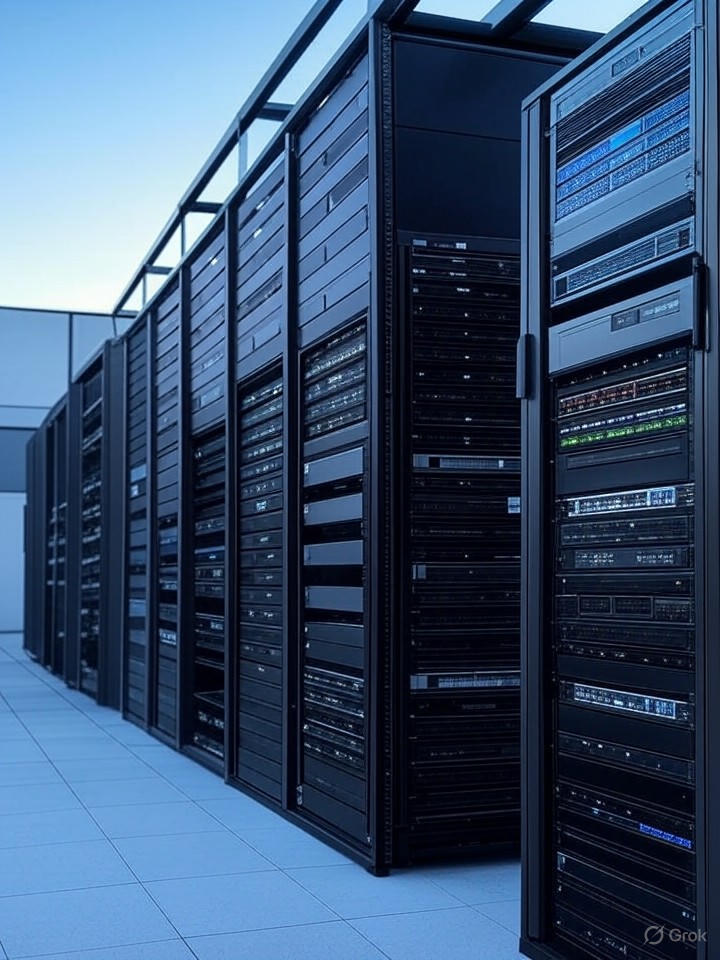
Sanmina, a contract manufacturer, stands out for its expertise in producing complex electronics, including servers and data center components critical for AI operations. Einhorn noted that the company’s involvement in assembling high-performance computing hardware positions it well amid surging demand from hyperscalers like Amazon and Google. Meanwhile, Dycom, a provider of telecom infrastructure services, is betting on the fiber-optic networks needed to handle the massive data flows generated by AI applications. These picks reflect a broader trend where the AI boom is creating ripple effects across supply chains, from raw materials to deployment.
Beyond these selections, Einhorn also recommended the Pacer Data & Infrastructure Real Estate ETF, which invests in companies tied to data centers and related real estate. This ETF has seen significant inflows as investors recognize the physical backbone required for AI’s computational demands. The fund’s holdings include firms like Equinix and Digital Realty, which are expanding rapidly to meet the power and space needs of AI training models.
Emerging Trends in AI Infrastructure Investments
The emphasis on infrastructure aligns with predictions from industry analysts. For instance, a report from PwC forecasts that AI will drive substantial business transformations through 2025, with investments in data centers and energy solutions leading the charge. PwC highlights how AI’s energy consumption could rival that of small countries, pushing companies like Dycom to the forefront as they lay the groundwork for enhanced connectivity.
Sanmina’s stock has already shown resilience, climbing about 20% in the past year, driven by contracts with major tech firms. Insiders note that its vertically integrated model allows for quick scaling, a necessity as AI models grow more sophisticated. Dycom, on the other hand, benefits from federal initiatives like the Broadband Equity Access and Deployment program, which allocates billions for network expansions that indirectly support AI deployments.
Recent posts on X echo this sentiment, with users discussing how overlooked infrastructure stocks are gaining traction. One prominent thread pointed to the rising importance of companies enabling AI’s physical expansion, mirroring Einhorn’s views without naming specifics. This social buzz indicates growing investor awareness of the sector’s depth, beyond software and semiconductors.
Spotlight on Overlooked Players Amid Market Shifts
Diving deeper into Sanmina’s operations reveals a company deeply embedded in the AI supply chain. It manufactures optical transceivers and circuit boards essential for high-speed data processing, components that are in short supply as AI adoption accelerates. According to data from The Motley Fool, the AI hardware market is expected to grow at a compound annual rate of over 30% through 2025, benefiting suppliers like Sanmina that can navigate global supply disruptions.
Dycom’s story is equally compelling, with its focus on engineering and construction for telecom giants. The company reported a 15% revenue increase in its latest quarter, attributed to fiber deployments for 5G and beyond, which are crucial for AI’s real-time applications like autonomous vehicles and smart cities. Analysts at Morningstar rate Dycom as a strong buy, citing its undervalued position relative to peers in the construction sector.
The Pacer ETF, meanwhile, offers diversified exposure to this trend. Its portfolio has outperformed broader market indices in 2025, up nearly 25%, as data center demand surges. This performance is backed by insights from Forbes Advisor, which lists similar real estate investment trusts as top AI-related picks for their stable dividends and growth potential.
Broader Market Dynamics Fueling AI Growth
While Einhorn’s choices target niche areas, the overall AI investment arena is bustling with activity. Recent news from Nasdaq highlights IT services companies riding the AI infrastructure wave, with firms like those in global data center expansions seeing accelerated demand. This ties into Einhorn’s thesis, as Sanmina and Dycom provide the foundational elements for such growth.
On X, discussions have intensified around AI’s power requirements, with posts noting stocks in nuclear and renewable energy as complementary plays. For example, users have flagged companies like Oklo for their role in powering AI facilities, creating a web of interconnected investments. This sentiment aligns with a Parameter article detailing Wedbush’s updated AI stock list, which includes infrastructure-focused names for 2026 but with implications for the coming year.
Moreover, another Nasdaq piece spotlights Palantir and Micron as fast-growers, but it also underscores the need for robust back-end support, where Dycom’s telecom expertise fits seamlessly. The article predicts these dynamics could outpace even Nvidia’s rally, suggesting a maturation in AI investments.
Risks and Opportunities in the AI Supply Chain
No investment thesis is without risks, and Einhorn’s picks are no exception. Sanmina faces competition from Asian manufacturers, potentially squeezing margins if trade tensions escalate. A report from Investopedia warns of volatility in AI stocks due to supply chain bottlenecks, which could impact companies like Sanmina reliant on global sourcing.
Dycom, too, contends with labor shortages and regulatory hurdles in infrastructure projects. Yet, its backlog of contracts, exceeding $7 billion, provides a buffer. Morningstar analysts project earnings growth of 18% annually for Dycom through 2025, driven by AI-induced data traffic.
The Pacer ETF mitigates some risks through diversification, but it’s exposed to real estate fluctuations. Forbes Advisor notes that while data center REITs offer high yields, interest rate changes could affect valuations. Still, with AI’s projected market reaching $391 billion in 2025 per recent estimates, the upside appears substantial.
Strategic Positioning for Long-Term Gains
Einhorn’s strategy at Greenlight Capital has historically favored value plays, and his AI picks continue this tradition by focusing on undervalued enablers. Sanmina’s price-to-earnings ratio sits below industry averages, making it attractive for patient investors. Business Insider’s coverage of Einhorn’s letter emphasizes how these stocks could deliver outsized returns as AI infrastructure spending ramps up, potentially reaching trillions globally.
Integrating insights from X, where investors share watchlists including AI utility and cloud stocks, reveals a consensus on the need for comprehensive portfolios. Posts often group infrastructure with software giants, suggesting a blended approach that includes Dycom alongside names like Amazon Web Services providers.
PwC’s predictions further bolster this view, anticipating AI’s integration into everyday business operations, necessitating robust networks. This could elevate Dycom’s role in deploying fiber optics for edge computing, a key AI frontier.
Innovation and Expansion in AI Ecosystems
Looking ahead, innovations in AI hardware could amplify Sanmina’s prospects. The company is investing in advanced manufacturing techniques, such as 3D printing for circuit boards, to meet the demands of next-generation AI chips. The Motley Fool’s analysis of AI stocks highlights similar trends, noting how suppliers are innovating to keep pace with rapid technological advancements.
For Dycom, expansion into rural broadband projects positions it for federal funding boosts under new infrastructure bills. Investopedia’s list of top AI stocks includes telecom plays, recognizing their indirect but vital contributions to the sector’s growth.
The Pacer ETF’s focus on data infrastructure real estate taps into a booming subsector. Recent news from Benzinga identifies overlooked AI stocks like those in data management, paralleling the ETF’s holdings and suggesting untapped potential.
Investor Sentiment and Future Projections
Sentiment on X remains bullish, with threads predicting AI’s dominance in 2025 portfolios. Users frequently mention hardware and software synergies, echoing Einhorn’s infrastructure emphasis without direct attribution.
A CoinDesk preview forecasts AI driving global growth through 2026, with bitcoin miners like IREN benefiting from similar energy trends as AI data centers. This crossover highlights the interconnectedness of tech investments.
Morningstar’s ongoing coverage reinforces that stocks like Dycom and Sanmina are well-positioned for sustained gains, especially as AI applications proliferate in healthcare and finance.
Navigating Volatility in Tech Investments
Volatility remains a constant in tech, but Einhorn’s picks offer relative stability through essential services. Forbes Advisor’s insights suggest diversifying into ETFs like Pacer to hedge against single-stock risks.
Recent Nasdaq articles on AI momentum stocks, such as Palantir, indicate that infrastructure underpins even the flashiest players. Parameter’s Wedbush update adds CoreWeave and Shopify to watchlists, but infrastructure remains foundational.
Ultimately, as AI evolves, investors attuned to its supporting cast—exemplified by Sanmina, Dycom, and targeted ETFs—may find rewarding opportunities in 2025’s dynamic market environment. With careful analysis, these selections could anchor portfolios amid ongoing technological shifts.


 WebProNews is an iEntry Publication