
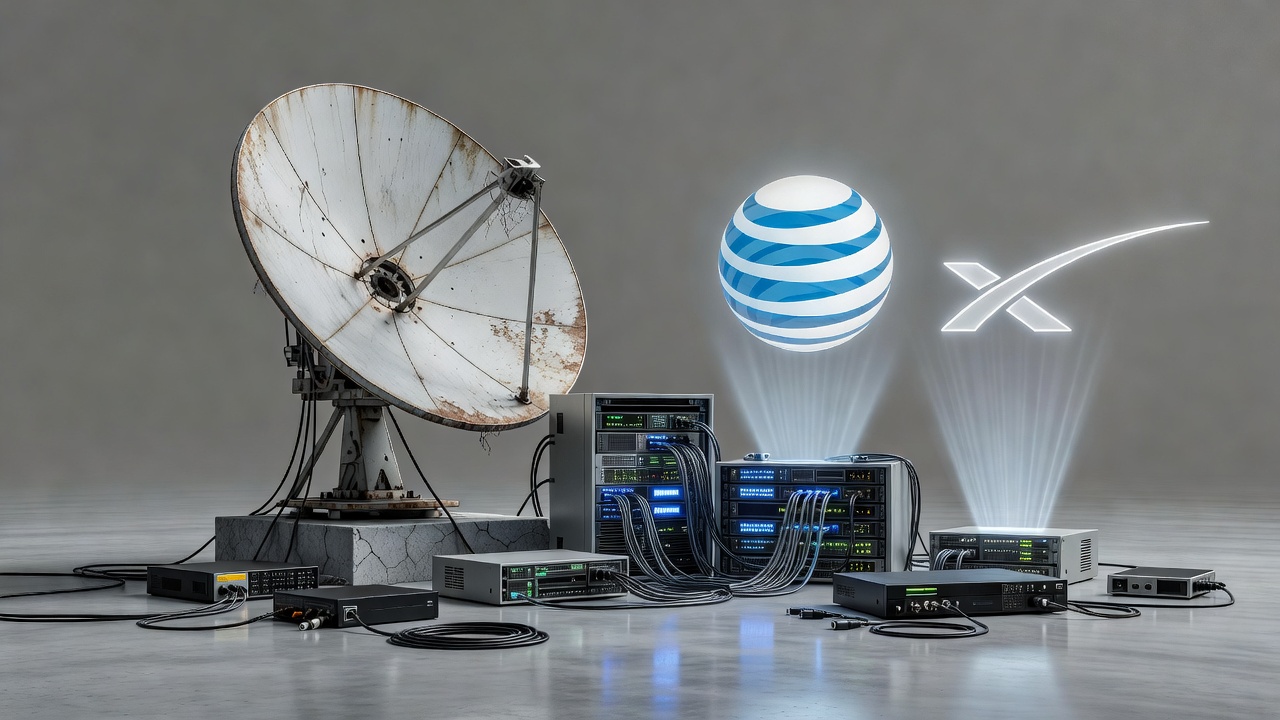
Dish DBS has filed for Chapter 11. The satellite pay-TV operator, long a fixture in American living rooms, took the step on June 30 in federal court in Houston. Its parent, EchoStar, framed the move as a prepackaged restructuring backed by most creditors. Service for millions of Dish Network and Sling TV customers will continue without interruption. Yet the filing marks another stark sign that the traditional satellite television business cannot escape the pull of streaming.
Subscriber losses tell the story in numbers that don’t lie. EchoStar reported a net loss of 366,000 paid television subscribers in the first quarter of 2026. Total subscribers stood at 6.63 million. The same period a year earlier saw a drop of 381,000. Cord Cutters News tracked the declines. Households keep canceling. They turn instead to Netflix, YouTube TV, or Hulu. The old model of big dishes on roofs and monthly bills for hundreds of channels has lost its appeal.
Debt piled up. A $2 billion batch of 7.75% senior secured notes came due on July 1, 2026. Dish Wireless LLC, which filed alongside 17 affiliates including Sling TV LLC, lacked the cash to meet that obligation on time. The Yahoo Finance report laid out the pressure. Without fresh capital or asset sales, default loomed. So the company turned to bankruptcy court. Not to liquidate. To reorganize and clear the path for a major spectrum transaction.
That transaction centers on AT&T. The two sides announced in August 2025 a deal for EchoStar to sell wireless spectrum licenses covering more than 400 markets. The price tag reached $23 billion. EchoStar and its Dish entities expect to receive a net payment of $20.25 billion once the sale closes. Those proceeds will retire billions in debt, including the notes now in default. The Wall Street Journal reported that delays in closing the AT&T agreement contributed directly to the timing of the filing.
But there’s more. EchoStar struck a separate September 2025 agreement to sell AWS-4 and H-Block spectrum licenses to SpaceX for $17 billion. Half comes in cash. Half in SpaceX stock. The deal includes a long-term commercial pact. Boost Mobile customers, the wireless brand EchoStar runs, will gain access to Starlink’s direct-to-cell service. Elon Musk’s constellation thus becomes part of the future infrastructure for what remains of EchoStar’s mobile operations.
Charlie Ergen built Dish into a pay-TV powerhouse. He bet big on wireless spectrum years ago, hoping to transform the company into a full-fledged competitor to Verizon and T-Mobile. Those ambitions ran into regulatory walls, massive capital requirements, and relentless subscriber erosion. A planned merger with DirecTV fell apart in 2024. Litigation multiplied. The balance sheet grew heavier. Deadline noted the thicket of legal disputes that added urgency to the restructuring.
The filing itself is prepackaged. More than 88% of noteholders, representing over $8.8 billion in debt, signed a restructuring support agreement earlier this year. That support should allow a swift exit from bankruptcy, possibly by the end of September 2026. The plan calls for repayment of $1.6 billion in term loans and preferred interests. It also paves the way to resolve claims tied to the wind-down of Dish Wireless’s 5G network buildout. EchoStar itself and its Hughes unit sit outside the filing.
Customers shouldn’t see changes right away. Dish Network’s roughly 5 million satellite subscribers and Sling TV’s 2 million streaming users can keep watching. Boost Mobile and Gen Mobile wireless lines continue. Yet the long-term picture looks different. Once the spectrum sales close, the wireless network operations will formally shut down. EchoStar will function more as a mobile virtual network operator, relying on AT&T as its primary network partner.
This moment reflects broader forces reshaping media and telecom. Cable and satellite providers have shed millions of video subscribers over the past decade. Streaming services captured the audience with lower prices, on-demand libraries, and no equipment fees. Traditional operators responded with their own apps and bundles. Sling TV itself was an early attempt at a leaner, digital-first offering. It couldn’t fully offset the decline in the core satellite business.
Analysts had flagged EchoStar as a likely candidate for restructuring. Debtwire research earlier highlighted the company among those at high risk in the communications sector. Reports from Quartz and The Desk tracked the preparations in the days leading up to the filing. The consensus held that a Chapter 11 process offered the cleanest way to shed obligations while protecting valuable spectrum assets from potential regulatory interference.
DirecTV, the other satellite giant, has faced parallel pressures. Its Latin America unit filed for bankruptcy protection in a separate proceeding. That case reached emergence earlier in 2026 after nearly a year in court. The U.S. operations have raised prices repeatedly. They continue to lose subscribers too. The entire category finds itself squeezed between legacy content costs and digital alternatives that don’t carry the same overhead.
So what comes next? EchoStar emerges lighter. Its debt load shrinks. The company gains breathing room to focus on the Boost Mobile brand and potential Starlink integration. Whether that proves enough to build a sustainable wireless business remains an open question. Spectrum sales bring in cash. They also remove the raw materials for building an independent network. The hybrid model depends heavily on AT&T’s cooperation and terms.
Investors will watch the bankruptcy proceedings closely. The prepackaged nature suggests limited drama in court. Creditors have already aligned on the plan. Yet unresolved litigation could still surface. Programming contracts, vendor claims, and disputes tied to the old wireless rollout all require settlement. The company statement emphasized that the notes will be paid in full once the AT&T deal funds arrive or the plan takes effect.
For the industry, this filing closes a chapter. Satellite television once promised crystal-clear pictures and more channels than anyone could watch. It delivered for millions. But consumer tastes shifted. Bandwidth moved to mobile devices and smart TVs. The dishes that dotted suburban rooftops now look like relics. EchoStar’s move doesn’t kill the business overnight. It does acknowledge that the economics no longer work without drastic change.
Streaming didn’t just steal viewers. It rewrote expectations. No contracts. No hardware installs. Pick what you want, when you want. Traditional providers responded with skinny bundles and direct-to-consumer apps. Those efforts slowed the bleed but rarely reversed it. Dish’s losses accelerated. Revenue from the television segment dropped. The wireless pivot, once seen as salvation, became another heavy bet that required more capital than the video business could generate.
The $20.25 billion net from AT&T changes the math. It retires debt. It funds operations during the transition. The SpaceX deal adds another layer of partnership with a company whose ambitions span rockets and global internet. Boost Mobile subscribers could one day make calls via satellite when terrestrial networks fail. That future sounds compelling on paper. Execution will decide whether it delivers real value or becomes another footnote in EchoStar’s long evolution.
Bankruptcy court in Houston will now oversee the details. First-day motions. Approval of the debtor-in-possession financing if needed. Confirmation of the plan. With overwhelming creditor support, the timeline should compress. Emergence before autumn would let the company put the past behind it and focus on the next act.
Yet the larger trend persists. Households continue to cut the cord, or never tie it in the first place. Young consumers stream everything. Older ones increasingly follow. Satellite TV’s share of the market shrinks each quarter. The companies that dominated the 1990s and 2000s now fight for relevance in a world of unlimited choice and lower prices. EchoStar’s filing doesn’t stand alone. It forms part of a wave that has already claimed retailers, restaurants, and media outlets unable to adapt fast enough.
Charlie Ergen’s gamble on wireless spectrum defined the last decade at Dish. The outcome of that bet now unfolds in bankruptcy court and spectrum sale agreements. Success will look different than the original vision. Fewer subscribers. Less debt. Partnerships instead of ownership. The satellite dishes may stay on roofs for now. Their operator has accepted that the business model behind them must change. Permanently.


 WebProNews is an iEntry Publication