
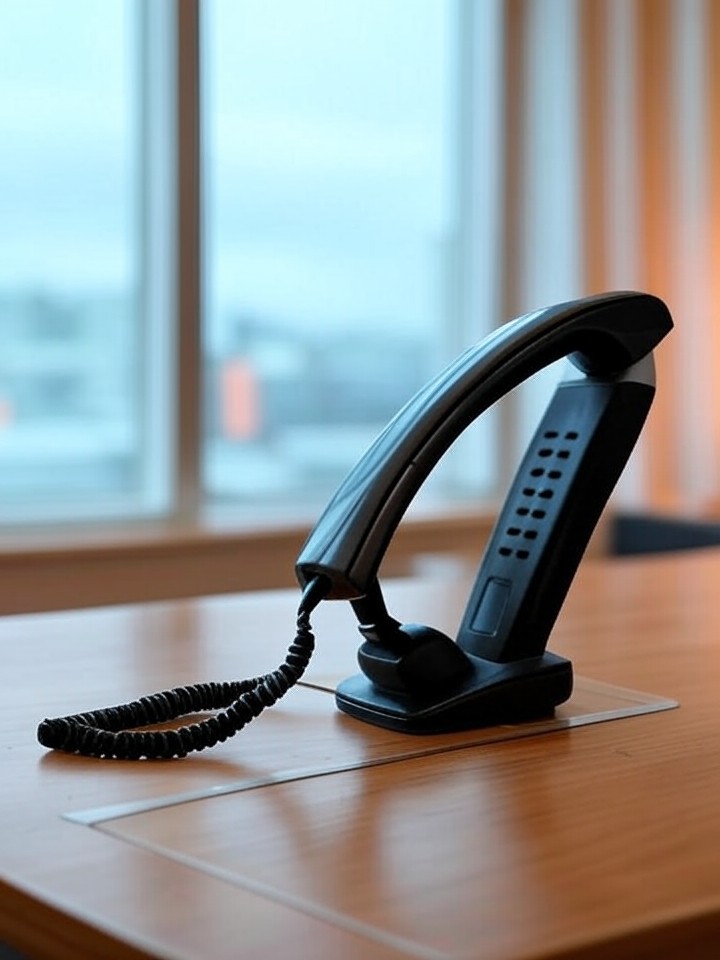
In the early months of 2026, a curious shift is reshaping how people interact with technology. Amid the relentless advance of AI-driven gadgets and always-on connectivity, a counter-movement is gaining traction: the resurgence of so-called dumbphones. These basic devices, stripped of apps, social media, and endless notifications, are being embraced by a growing cohort seeking respite from digital overload. But as this trend accelerates, it’s sparking debates about whether it’s a genuine path to mental clarity or a misguided retreat from modern necessities.
Take Sarah Thompson, a 28-year-old marketing executive in New York, who ditched her iPhone for a Nokia 3210 last fall. “I was scrolling for hours every day, feeling anxious and disconnected from real life,” she says. “Now, with just calls and texts, I read books again and actually talk to people.” Her story echoes a broader sentiment captured in recent reports, where users report improved focus and reduced stress. According to data from Statista, dumbphone sales surged 25% in 2025, with projections indicating continued growth into 2026 as more consumers prioritize simplicity over sophistication.
Yet, not everyone is convinced. Critics argue that this pivot might overlook the practical downsides, such as limited access to essential services like ride-sharing or emergency apps. A recent piece in WIRED paints a vivid picture, suggesting that dumbphone adopters could be sacrificing too much in their quest for purity. The article highlights how Gen Z, in particular, is romanticizing these devices as a form of rebellion, but warns of potential isolation in an increasingly interconnected world.
The Roots of Discontent
The dumbphone revival didn’t emerge in a vacuum. It stems from years of mounting frustration with smartphones’ invasive nature. Social media platforms, designed to hook users with algorithms and dopamine hits, have been linked to rising rates of anxiety and depression, especially among younger demographics. Posts on X from late 2025 reflect this unease, with users sharing stories of “digital detox” journeys that led them to basic phones for better mental health. One viral thread described a week-long experiment where participants reported sleeping better and engaging more deeply in conversations, free from the pull of infinite scrolls.
Industry observers point to economic factors as well. With inflation lingering and tech fatigue setting in, affordable dumbphones—often priced under $50—offer an appealing alternative to flagship smartphones that can cost over $1,000. A guide from Keyphone details models like the Light Phone II, which includes minimalist features such as podcasts and navigation but deliberately omits browsers and email. This selective functionality appeals to professionals who need reliability without the distractions, as evidenced by user testimonials praising enhanced productivity in high-stakes environments like finance and creative fields.
Moreover, privacy concerns are fueling the trend. In an era of data breaches and surveillance capitalism, dumbphones represent a fortress of sorts—devices that don’t track your every move or harvest personal information for ads. Reports from CNN note that these “brick phones” are evolving, incorporating modern touches like USB-C charging while maintaining their core simplicity, making them viable for disillusioned consumers wary of big tech’s grasp.
Voices from the Front Lines
User experiences vary widely, painting a nuanced picture of the dumbphone life. For some, like tech consultant Mark Rivera in San Francisco, the switch has been liberating. “I used to check emails obsessively during family dinners,” he recalls. “Now, with my Punkt MP02, I’m present. It’s like reclaiming my brain.” Such anecdotes align with findings in a Accio analysis, which surveyed over 1,000 Gen Z users in 2025 and found that 60% cited improved mental clarity as the primary benefit, with many appreciating the affordability and privacy-focused designs.
However, challenges abound. Emergency situations highlight limitations; without instant access to maps or health apps, users like Rivera admit to occasional regrets. A post on X from early January 2026 shared a cautionary tale of someone stranded without ride-hailing options, prompting discussions about hybrid solutions. Even WIRED’s critique underscores this, arguing that while the trend is “cool,” it risks alienating users from societal tools, especially in urban settings where connectivity is key for everything from banking to public transit.
On the flip side, parents are increasingly turning to dumbphones for their children as a safeguard against online harms. A 2025 study referenced in Statista data shows a 15% uptick in basic phone purchases for teens, driven by concerns over screen time and cyberbullying. One mother in Chicago told reporters she equipped her 14-year-old with a basic flip phone to foster independence without the pitfalls of social media, echoing sentiments in CNN’s coverage of the movement’s family-oriented appeal.
Evolving Market Dynamics
Manufacturers are responding to this demand, albeit cautiously. Companies like Nokia and Motorola are reissuing updated versions of classic models, blending nostalgia with contemporary needs. The Motorola FW410, featured in a Telegraph roundup of 2026’s top dumbphones, includes a meditation timer and landline-like reliability, appealing to those seeking a “tech detox” without total disconnection. Yet, as a BBC Future article from 2024—still relevant amid ongoing market wobbles—notes, profit margins remain slim, deterring major investments from tech giants.
This hesitation creates opportunities for niche players. Startups like Dumbphone Co. are innovating with customizable devices that allow users to add select features, such as basic cameras or music players, without full smartphone bloat. User feedback on X praises these for striking a balance, with one post from December 2025 garnering thousands of likes for describing how such phones helped curb compulsive behaviors tied to app notifications.
Analysts predict that by mid-2026, dumbphones could capture 10% of the global mobile market, up from 5% in 2024, per Statista projections. This growth is intertwined with broader cultural shifts, including the “year of analogue” narrative explored in a Substack piece, where fatigue with ad-saturated online spaces is pushing people toward tangible, offline experiences.
Psychological and Societal Impacts
Delving deeper, psychologists are examining the mental health implications. Dr. Elena Vasquez, a behavioral expert at Stanford, explains that dumbphones can interrupt the cycle of addiction by removing triggers like push alerts. “It’s about intentionality,” she says. “Users regain control, leading to lower cortisol levels and better sleep.” This view is supported by Atlantic articles from late 2025, which profile young adults like 23-year-old Elias Wachtel, who switched to a dumbphone for its no-scrolling ethos, reporting heightened creativity and real-world connections.
Societally, the trend raises questions about equity. In rural areas or developing regions, where smartphones enable access to education and finance, dumbphones might exacerbate divides. WIRED’s analysis warns of this, suggesting that the movement, while empowering for some, could widen gaps for others reliant on tech for opportunity. X posts from global users highlight this duality, with some in Europe celebrating the detox while others in Asia note the impracticality for work requiring constant connectivity.
Furthermore, as AI devices proliferate—think smart glasses and ambient hardware detailed in a Yanko Design feature—the dumbphone stands as a defiant outlier, appealing to those skeptical of over-reliance on algorithms.
Future Trajectories and Innovations
Looking ahead, the dumbphone ecosystem is poised for innovation. Hybrid models are emerging, incorporating e-ink screens for low-power reading or voice assistants without data mining. A Stuff magazine list of 2026’s best dumbphones includes options like the Nokia 105, praised for its battery life that lasts weeks, contrasting sharply with smartphones’ daily charging needs.
Industry insiders speculate that telecom providers might adapt, offering dumbphone-specific plans with reduced data fees to encourage adoption. Accio’s trend report forecasts that privacy will remain a key driver, with 47% of young people expressing a desire for internet-free weeks, as per recent surveys.
Critics, however, urge caution. The Telegraph’s review notes vulnerabilities in some models, like fragile hinges, reminding users that not all dumbphones are built equal. Balancing these insights, the trend’s staying power seems tied to its ability to evolve without losing its minimalist soul.
Personal Stories and Broader Reflections
Beyond statistics, personal narratives illuminate the human element. Consider freelance writer Lisa Chen, who adopted a dumbphone after burnout from constant online hustling. “It forced me to plan better and value face-to-face interactions,” she shares. Her experience mirrors those in Keyphone’s guide, where users describe rediscovering hobbies like hiking without the urge to document every moment.
Yet, reversion isn’t always smooth. Some report “withdrawal” symptoms, missing conveniences like instant weather updates. WIRED captures this irony, portraying dumbphone owners as both enlightened and out of touch, a sentiment echoed in X discussions where users debate if the trend is a fad or a fundamental shift.
As 2026 unfolds, the dumbphone movement challenges the tech industry’s assumption that more features equal progress. It invites reflection on what connectivity truly costs, prompting a reevaluation of how we integrate devices into daily life. Whether it endures or fades, it’s clear this resurgence is more than nostalgia—it’s a statement on reclaiming autonomy in a hyper-connected age.


 WebProNews is an iEntry Publication