
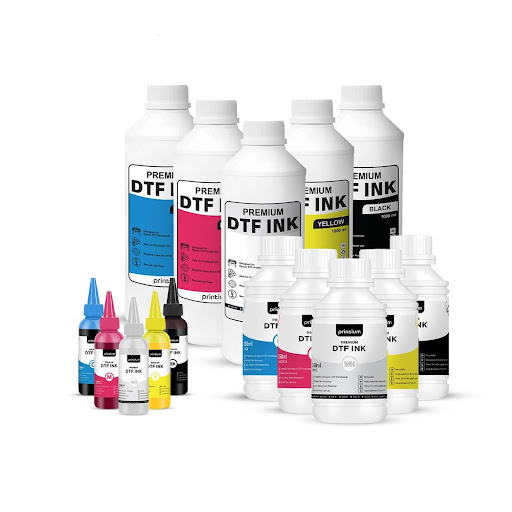
The printing and apparel industries continue to evolve as businesses seek faster, more flexible, and higher-quality production methods. In recent years, Direct to Film (DTF) printing has gained significant attention for its ability to support custom apparel, short production runs, and on-demand workflows. At the center of this process is DTF ink, a key component that directly influences print quality, durability, and overall production efficiency.
This article explores how DTF ink is shaping modern printing and apparel production workflows and why it has become an essential material for professional and commercial printing environments.
The Growing Demand for Flexible Printing Solutions
Modern businesses are under constant pressure to adapt quickly to changing customer demands. Personalized products, limited editions, and rapid turnaround times have become standard expectations rather than exceptions. Traditional printing methods often struggle to meet these requirements efficiently.
DTF printing addresses this challenge by allowing designs to be transferred onto a wide variety of fabrics without extensive setup or material limitations. DTF ink plays a crucial role in this flexibility by enabling vibrant colors, strong adhesion, and consistent results across different substrates.
What Makes DTF Ink Different
Unlike conventional inks, DTF ink is formulated specifically for transfer-based printing processes. It is designed to work in combination with transfer films and adhesive powders, ensuring that printed designs bond effectively to fabrics after heat application.
Key characteristics of DTF ink include:
- High color vibrancy and opacity
- Strong adhesion to multiple fabric types
- Compatibility with both light and dark garments
- Consistent performance in commercial workflows
These features make DTF ink suitable for businesses that require repeatable results and professional-quality output.
Supporting Consistency in Production Workflows
Consistency is a critical factor in any commercial printing operation. Customers expect uniform quality across every item, regardless of order size. Inconsistent prints can lead to wasted materials, increased costs, and damage to brand reputation.
DTF ink supports consistency by delivering stable color reproduction and predictable transfer behavior. When combined with proper temperature and pressure control during the heat application process, DTF ink helps ensure that designs maintain their appearance even after repeated washing and use.
A reliable selection of professional DTF ink is commonly used in modern production environments where consistency and efficiency are priorities
Integration Into Modern Printing Systems
DTF ink is rarely used in isolation. It is part of a broader printing system that includes printers, transfer films, powders, and heat presses. Successful integration of these components allows businesses to build streamlined workflows that reduce downtime and improve output.
Because DTF ink is compatible with a wide range of printer setups, it can be incorporated into both small workshops and larger production facilities. This scalability makes it an attractive option for businesses at different stages of growth.
Efficiency and Cost Control
Efficiency is closely tied to profitability in printing and apparel production. Materials that reduce errors and rework contribute directly to lower operational costs. DTF ink helps achieve this by minimizing common issues such as color inconsistency, cracking, or peeling.
By reducing waste and improving first-pass success rates, businesses can manage costs more effectively while maintaining high-quality standards. This balance between efficiency and quality is particularly important for operations handling frequent custom orders.
Long-Term Value for Printing Businesses
Investing in the right materials is essential for long-term success. DTF ink offers durability and reliability that support sustained production over time. As order volumes increase, having materials that perform consistently helps businesses scale without constant adjustments or replacements.
DTF ink also supports diversification. Businesses can expand into new product categories, experiment with different fabrics, and respond to emerging trends without overhauling their production systems.
Planning for Sustainable Growth
Sustainable growth in printing and apparel production requires careful planning and adaptable workflows. Materials that integrate smoothly into existing systems allow businesses to respond quickly to changes in demand.
DTF ink enables this adaptability by supporting a wide range of applications and production scales. When combined with structured workflows and quality control processes, it helps businesses maintain professional standards while growing their operations.
Final Thoughts
DTF ink has become a defining element of modern printing and apparel production. Its ability to deliver consistent, high-quality results across diverse applications makes it a valuable material for businesses focused on customization and efficiency.
By understanding how DTF ink fits into contemporary production workflows and selecting materials that support reliability and scalability, printing businesses can improve performance, reduce waste, and build a strong foundation for long-term success.


 WebProNews is an iEntry Publication