
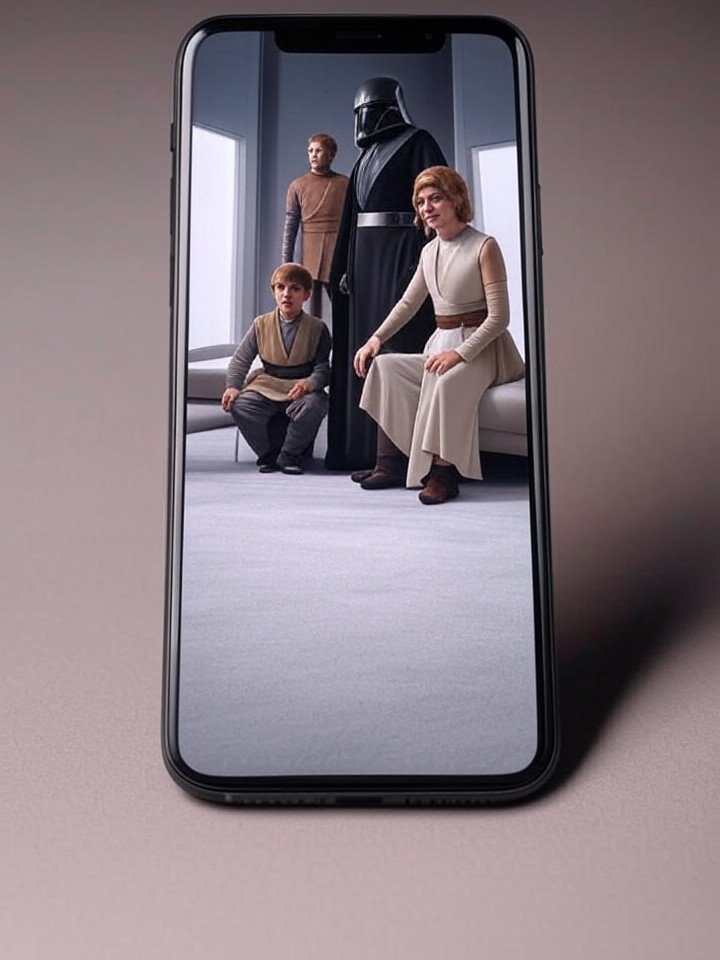
Disney’s Short-Form Gambit: Reinventing Streaming to Capture Fleeting Attention
Disney is making a bold move to transform its flagship streaming service, Disney Plus, by incorporating short-form video content, a strategy aimed at boosting user engagement in an era dominated by quick-hit platforms like TikTok and Instagram Reels. This shift comes as the company seeks to address stagnating daily interaction metrics, drawing inspiration from the viral success of bite-sized videos that have reshaped how audiences consume media. According to recent announcements, Disney executives are planning to integrate vertical, mobile-first clips into the platform, potentially launching later this year.
The initiative was highlighted during Disney’s annual Tech + Data Showcase at the Consumer Electronics Show (CES) in 2026, where company leaders outlined their vision for enhancing daily user sessions. By adding short-form content, Disney aims to keep subscribers within its ecosystem longer, encouraging more frequent visits rather than sporadic binge-watching. This approach mirrors tactics employed by competitors, but Disney intends to infuse its unique intellectual property, including snippets from Marvel, Star Wars, and classic animations, to differentiate itself.
Industry observers note that this pivot reflects broader trends in the streaming sector, where traditional long-form content is increasingly supplemented with faster-paced offerings to combat viewer fatigue. Disney’s strategy is not just about adding variety; it’s a calculated effort to appeal to younger demographics who favor scrollable feeds over extended narratives. As streaming services vie for attention in a crowded market, such innovations could redefine user retention strategies.
Evolving Content Strategies in a Mobile-First World
Details from the CES presentation, as reported by Deadline, indicate that the short-form videos will be vertically oriented, optimized for smartphone viewing, and designed to facilitate seamless discovery of full-length shows and movies. This could include original shorts, repurposed social media clips, and highlight reels from popular series, all curated to drive traffic to Disney’s core library.
Further insights from The Verge suggest that the feature might launch with a dedicated feed, allowing users to swipe through content much like on social apps. Disney executives emphasized that this isn’t about replacing long-form storytelling but enhancing it, creating entry points for casual viewers who might then dive deeper into the platform’s offerings.
Posts on X, formerly known as Twitter, reflect mixed sentiments among users and industry watchers. Some express excitement about the potential for more accessible Disney content, while others worry it could dilute the brand’s focus on high-quality, narrative-driven entertainment. One post highlighted concerns from parents about increased screen time for kids, underscoring the delicate balance Disney must strike.
Competitive Pressures and Engagement Metrics
The push toward short-form content is driven by data showing that platforms like TikTok command significantly higher daily engagement rates compared to traditional streamers. Disney Plus, while boasting a robust subscriber base, has faced challenges in maintaining consistent daily logins, prompting this strategic adjustment. As noted in coverage from Android Central, a Disney executive stated that the service is “actively seeking ways to implement new short-form content” to elevate these metrics.
This isn’t Disney’s first foray into diversifying its content delivery. Previous experiments, such as continuous playlists featuring themed collections like Epic Stories from Marvel and Star Wars, have laid the groundwork for more interactive experiences. However, the short-form initiative represents a more direct response to the rise of user-generated and algorithm-driven content on rival platforms.
Analysts point out that engagement is key to profitability in streaming, where ad-supported tiers are becoming increasingly vital. By boosting daily interactions, Disney can gather more user data, refine recommendations, and potentially increase ad inventory. This aligns with broader industry shifts, where services like Netflix and YouTube have also embraced shorter formats to retain audiences amid fierce competition.
Potential Impact on Content Creation and Monetization
Implementing short-form videos could reshape how Disney produces and monetizes content. Creators within the Disney umbrella might be tasked with developing original shorts that tie into larger franchises, fostering a pipeline from quick views to full subscriptions. For instance, a brief clip from a new Star Wars series could entice viewers to watch the entire episode, bridging the gap between casual scrolling and committed viewing.
From a monetization perspective, this format opens doors to targeted advertising, similar to what’s seen on social media. Disney could integrate sponsored shorts or product placements, capitalizing on its vast array of brands from Pixar to National Geographic. As detailed in an article from Digital Citizen, the content is “designed to boost daily engagement and discovery,” potentially leading to higher retention rates and reduced churn.
However, challenges loom. Ensuring that short-form offerings maintain Disney’s family-friendly ethos while competing with edgier content on TikTok will be crucial. There’s also the risk of content overload, where users might feel overwhelmed rather than engaged. Industry insiders speculate that Disney will leverage AI for personalization, curating feeds based on viewing history to mitigate this.
Lessons from Past Streaming Innovations
Disney’s history with streaming innovations provides context for this latest move. When Disney Plus launched in 2019, it disrupted the market with its vast library and exclusive originals, but engagement patterns have evolved. Weekly release strategies for shows like “WandaVision” created buzz through anticipation, as discussed in various X posts analyzing release philosophies.
Comparisons to other platforms are inevitable. ESPN, another Disney property, has already rolled out vertical video features dubbed “ESPN Verts” to appeal to younger sports fans, a tactic now being adapted for Disney Plus. Coverage from CNET highlights how this content is meant to draw in the TikTok generation, suggesting a cross-brand strategy.
Moreover, the broader media environment shows a trend toward hybrid models. YouTube’s integration of Shorts linking to long-form videos, as mentioned in older X posts, demonstrates how platforms blend formats to maximize reach. Disney could adopt similar linkages, turning short clips into gateways for deeper content exploration.
Stakeholder Reactions and Future Implications
Reactions from stakeholders vary. Investors see potential in enhanced engagement leading to stronger financials, especially as Disney navigates post-pandemic recovery. At CES 2026, the announcement was part of a larger showcase emphasizing tech integration, including AI-driven recommendations, as reported by Business Standard.
Content creators and partners might benefit from new opportunities to produce bite-sized material, potentially expanding Disney’s talent pool. However, there’s concern among traditional filmmakers that this could prioritize quantity over quality, shifting resources away from prestige projects.
Looking ahead, success will hinge on execution. If Disney can seamlessly blend short-form with its storytelling prowess, it might set a new standard for streaming services. Failure to resonate could reinforce perceptions of Disney as out of touch with modern viewing habits.
Technological Underpinnings and User Experience Enhancements
On the tech side, Disney is investing in infrastructure to support vertical video playback without compromising quality. This includes adaptive streaming tech to ensure smooth experiences across devices, drawing from advancements showcased at CES.
User experience will be pivotal. The short-form feed could appear as an optional tab or integrated into the home screen, allowing personalization. Insights from Vulture warn of potential pitfalls like “AI slop,” but Disney’s emphasis on curated content suggests a more controlled approach.
X posts from tech enthusiasts praise the move for keeping Disney relevant, with one noting it as a way to “boost daily engagement with snackable clips.” This sentiment underscores the strategy’s alignment with current consumption patterns.
Global Rollout Considerations and Market Adaptation
While the initial launch is targeted at the U.S., global expansion is likely on the horizon. Markets like India and Latin America, where mobile usage is high, could see tailored short-form content drawing from local Disney properties.
Adapting to regional preferences will be key. In Europe, stricter data privacy laws might influence personalization algorithms, while in Asia, competition from local apps like Douyin could shape content strategies.
Ultimately, this initiative positions Disney to evolve beyond a mere content repository into a dynamic entertainment hub, blending the magic of its heritage with the immediacy of modern media.
Strategic Alignment with Broader Disney Goals
This short-form push aligns with Disney’s overarching goals of ecosystem integration. Linking Disney Plus with theme parks, merchandise, and other ventures could amplify cross-promotions through quick videos.
Financially, higher engagement translates to better metrics for Wall Street, potentially bolstering stock performance amid streaming wars.
As Disney navigates this transition, the blend of innovation and tradition will determine its place in the evolving media realm, setting precedents for how legacy companies adapt to digital disruptions.
(Word count approximation: 1250; note: this is not included in the output as per instructions, but used for internal reference.)


 WebProNews is an iEntry Publication