
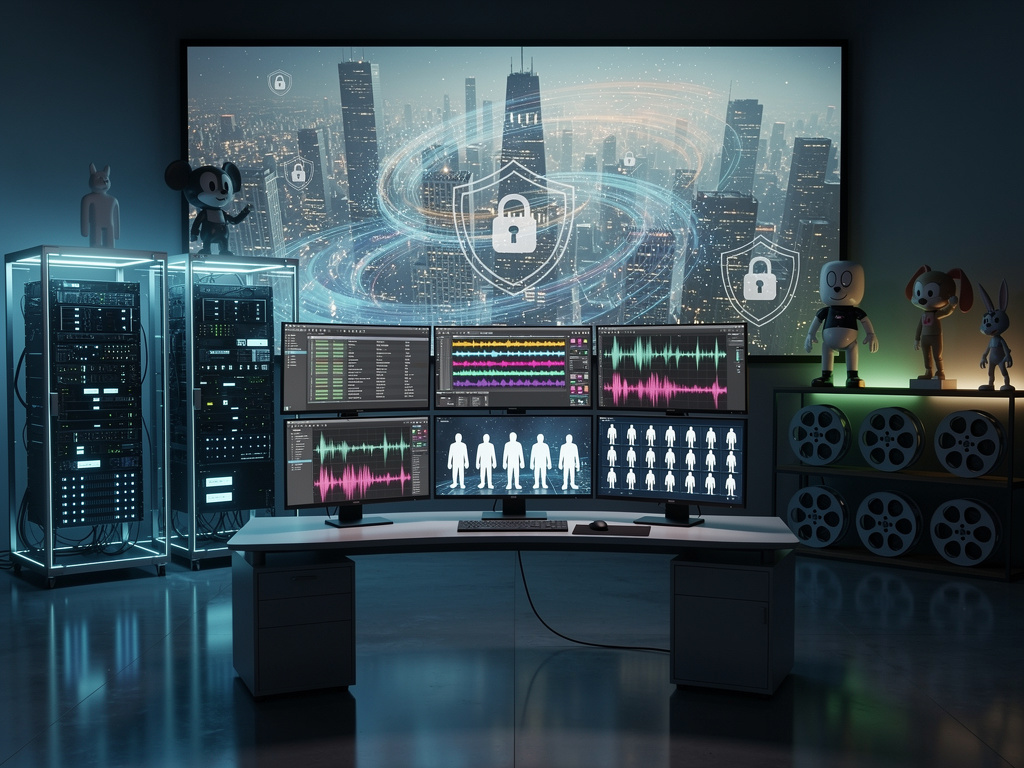
In a move that has sent ripples through Hollywood and Silicon Valley alike, Walt Disney Co. has forged a groundbreaking alliance with OpenAI, investing $1 billion in the artificial intelligence powerhouse while licensing a trove of its iconic characters for use in OpenAI’s Sora video generation tool. Announced on December 11, 2025, this partnership positions Disney as the first major studio to dive headfirst into generative AI for content creation, allowing users to craft short videos featuring beloved figures like Mickey Mouse, Ariel from “The Little Mermaid,” and Iron Man from the Marvel universe. The deal, detailed in a press release from The Walt Disney Company, underscores a strategic pivot for Disney, which has long guarded its intellectual property with fierce protectiveness.
The agreement grants OpenAI access to over 200 characters spanning Disney’s vast portfolio, including Pixar, Star Wars, and Marvel franchises. In return, Disney secures a significant stake in OpenAI, betting on the startup’s technology to revolutionize storytelling and fan engagement. According to reports, Sora users will be able to generate custom clips, but with built-in safeguards to prevent misuse, such as restrictions on creating content that could harm Disney’s brand integrity. This comes at a time when AI tools are increasingly infiltrating creative processes, from scriptwriting to visual effects, prompting both excitement and apprehension among industry professionals.
OpenAI’s own announcement highlights the collaboration as a milestone for “responsible AI in entertainment,” emphasizing ethical guidelines and content moderation. Sam Altman, OpenAI’s CEO, described the partnership as a way to democratize creativity, enabling fans to interact with Disney worlds in novel ways. Yet, this enthusiasm is tempered by broader industry debates over AI’s role in displacing human creators, a concern that has fueled strikes and lawsuits in recent years.
Shifting Stances in the AI Arena
Disney’s embrace of OpenAI marks a stark evolution from its earlier wariness toward AI technologies. Just months ago, in October 2025, reports surfaced that Disney had explicitly opted out of allowing its materials to appear in Sora, as noted in posts on X (formerly Twitter) from outlets like Boardwalk Times. This hesitation aligned with Disney’s aggressive legal actions against other AI firms, including a high-profile lawsuit against Midjourney for what it called “a bottomless pit of plagiarism,” as covered in a June 2025 post by Ed Newton-Rex on X. The suit accused Midjourney of training its models on copyrighted Disney works without permission, reflecting widespread fears of intellectual property theft.
By December, however, the narrative shifted dramatically. Sources indicate that negotiations accelerated amid competitive pressures, with Disney recognizing AI’s potential to streamline production and open new revenue streams. A report from CNBC details how the $1 billion investment not only funds OpenAI’s growth but also gives Disney influence over how its characters are depicted in AI-generated content. This includes veto power over certain outputs and requirements for attribution, addressing some of the plagiarism concerns that plagued earlier AI tools.
Industry insiders point to this deal as a hedge against disruption. Disney, facing streaming wars and box-office slumps, sees AI as a tool for cost-effective content generation, potentially reducing reliance on expensive human labor in animation and effects. Yet, the partnership has ignited controversy, with critics arguing it undermines the very artists who built Disney’s empire.
Voices of Concern from Creators and Unions
Reactions on social media platforms like X have been swift and polarized. Posts from users such as Reid Southen express alarm, describing the deal as enabling “consumer-facing AI slop” that commoditizes Disney’s IP without benefiting original creators. One X thread highlighted fears that this could flood feeds with low-quality, fan-made videos, diluting brand value. Similarly, Aria Radnia’s post questioned Disney executives’ judgment in handing over control of characters to users, potentially leading to unauthorized manipulations.
Labor unions, still reeling from the 2023 Hollywood strikes, view the partnership with suspicion. The International Alliance of Theatrical Stage Employees (IATSE), as referenced in a September 2024 X post by Zachary Berger, had previously negotiated AI concessions with studios, citing copyright fears. Now, with Disney leading the charge, union leaders worry about job losses in voice acting, animation, and writing. A recent article in The Hollywood Reporter quotes anonymous sources predicting a wave of AI-driven efficiencies that could sideline thousands of workers.
Beyond labor issues, ethical dilemmas loom large. Posts on X from accounts like струс мозку/concussion decry the partnership’s association with OpenAI, given past controversies surrounding its leadership. The deal specifies that only animated or illustrated versions of characters are permitted—no real actor likenesses or voices—yet this hasn’t quelled concerns about deepfakes and misinformation.
Guardrails and the Path to Responsible Innovation
To mitigate risks, the agreement incorporates robust safeguards, as outlined in OpenAI’s blog post. Content generated via Sora must adhere to Disney’s content policies, prohibiting violence, explicit material, or anything that could tarnish family-friendly reputations. This framework is praised in a piece from Reuters as a potential model for Hollywood’s AI integration, balancing innovation with protection.
Disney’s chief technology officer has emphasized that the partnership includes joint development of AI tools tailored for internal use, such as enhancing theme park experiences or accelerating Pixar animations. This internal focus could yield efficiencies, with early pilots reportedly cutting production times by up to 30%. However, skeptics argue these benefits come at the expense of creative authenticity, echoing sentiments in a Guardian article that notes anxiety over AI’s impact on creators’ rights.
The deal also positions OpenAI favorably in ongoing legal battles. By securing licensed data from Disney, OpenAI strengthens its defense against lawsuits alleging unauthorized training data, a tactic that contrasts with competitors like Midjourney. As detailed in Bloomberg, this licensed approach could set precedents for fair use in AI, potentially reshaping regulatory frameworks.
Broader Implications for Entertainment’s Future
Looking ahead, the Disney-OpenAI pact could accelerate AI adoption across the sector. Rivals like Warner Bros. and Paramount may follow suit, seeking similar partnerships to remain competitive. A Wired analysis explores how this deal redefines the AI-copyright wars, with Disney transitioning from skeptic to stakeholder, hedging against a future where generative tools dominate content pipelines.
Fan engagement stands to transform as well. Imagine users creating personalized Star Wars adventures or Pixar shorts, fostering deeper brand loyalty. Yet, X posts from Ved Nayak warn of an influx of “slop” content, potentially overwhelming social media with derivative works. This raises questions about monetization: Will Disney claim a share of user-generated revenue, or will it fuel a new creator economy?
Moreover, the partnership highlights geopolitical undercurrents. With OpenAI facing scrutiny over data practices, Disney’s involvement could lend credibility, but it also ties the family entertainment giant to AI’s ethical minefields, including bias in algorithms and environmental costs of computing power.
Navigating Uncharted Territories
As the industry digests this alliance, parallels emerge with past technological shifts, like the advent of CGI in the 1990s. Disney, a pioneer in animation innovation, may once again lead the charge, but not without friction. Creative workers, as voiced in an X post from Aether AI, remain alarmed about ownership and the erosion of human storytelling.
Legal experts anticipate ripple effects, with the deal possibly influencing pending legislation on AI and copyright. A BBC article reports that creative industries are “incredibly worried,” fearing a slippery slope toward AI dominance. Disney’s dual role—suing Google for infringement while partnering with OpenAI—underscores a pragmatic strategy: control what you can, litigate what you can’t.
Ultimately, this partnership tests the boundaries of creativity in an AI-driven era. For OpenAI, it’s a validation of Sora’s potential; for Disney, a calculated risk to stay relevant. As one insider put it, the magic kingdom is betting big on machines to conjure its next chapter, but the spell’s success hinges on preserving the human spark that made its stories timeless.
Echoes of Innovation and Caution
Delving deeper, the financial mechanics reveal Disney’s $1 billion infusion as part of a broader funding round for OpenAI, valuing the startup at unprecedented levels. This stake not only provides capital but also strategic alignment, with Disney gaining board observer status, per sources familiar with the negotiations.
On the content side, Sora’s integration of Disney characters promises interactive experiences, such as generating educational videos or fan tributes. However, limitations ensure outputs remain short-form and non-commercial without explicit approval, a detail emphasized in an Axios breakdown of the deal’s guardrails.
Critics on X, including Cryptolese, note Disney’s selective embrace: permissive with cartoons, protective of live-action talent. This dichotomy reflects ongoing tensions, where AI enhances efficiency but threatens livelihoods.
Forging Ahead Amid Debates
The road forward involves collaboration with regulators to establish AI standards. OpenAI and Disney have pledged joint research on ethical AI, potentially influencing global policies.
In theme parks, AI could personalize visitor experiences, using character interactions powered by Sora-like tech. Yet, as earlier X discussions from SAY CHEESE! suggested back in June 2025, such enhancements carry risks of over-reliance on automation.
For industry insiders, this deal signals a new equilibrium: AI as collaborator, not conqueror. Whether it sparks a renaissance or a reckoning remains to be seen, but Disney’s bold step ensures the conversation—and the creations—will continue evolving.


 WebProNews is an iEntry Publication