
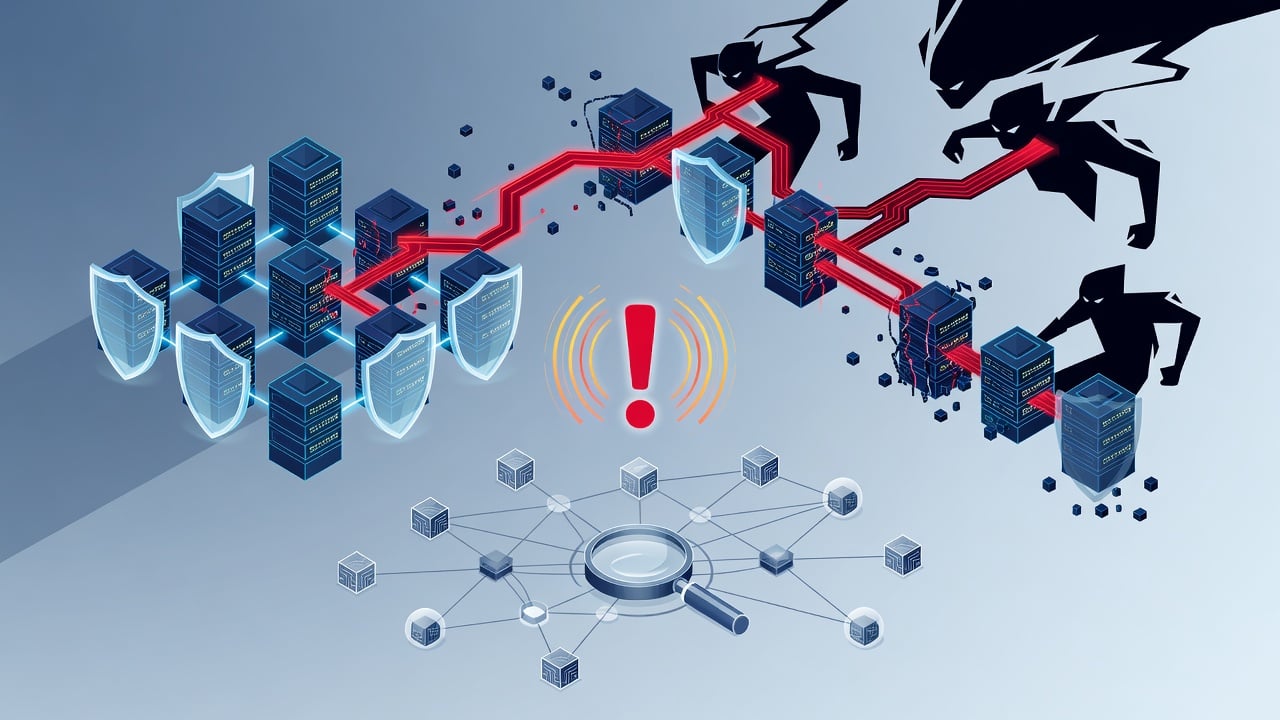
Hackers gained undetected access to a key Department of Homeland Security platform for weeks this spring. The breach targeted the Homeland Security Information Network, known as HSIN. This unclassified system connects federal, state, local, tribal and private sector partners for sharing sensitive information on threats, emergencies and major events.
Investigators still don’t know who did it. They also can’t say for sure what data, if any, left the network. But the timing couldn’t be worse. HSIN plays a central role in security planning for the 2026 FIFA World Cup hosted across the United States. And this marks another black eye for government agencies already struggling with repeated data exposures.
The incident first surfaced when two people familiar with the matter spoke to Nextgov. They described how intruders compromised HSIN servers and a connected Microsoft SharePoint collaboration system. The breach likely happened between late May and early June. DHS’s Office of Intelligence and Analysis launched a damage assessment soon after.
DHS later issued a careful statement. The department said it was “aware of a recent cyber incident involving a specific, unclassified legacy information sharing environment.” Officials isolated the affected systems. They fixed the vulnerability. And they started a forensic review. The statement, first reported by BleepingComputer, avoided naming HSIN directly at first. Yet it left little doubt.
Attribution remains elusive. No one has claimed responsibility. Foreign governments, criminal groups or insiders all sit on the list of possibilities. The reference to a “legacy” system raises eyebrows. Older platforms often carry technical debt. They run outdated software. Patching gaps prove harder. And integration with modern tools like SharePoint can create new entry points.
Sensitive but unclassified. That’s the category of data on HSIN. Think operational reports from law enforcement. Situational awareness on potential threats. Coordination notes for everything from natural disasters to terrorist plots. Nothing classified. Still, the material holds real value for adversaries mapping American defenses or planning operations of their own. DHS’s own description of the network underscores its reach across thousands of partners.
Concerns sharpened because of the World Cup. HSIN supports real-time information flow for event security. Stadium vulnerabilities. Crowd management. Intelligence on potential disruptions. A compromise here doesn’t just expose past data. It could erode trust in systems meant to protect one of the largest sporting events in years. TechCrunch noted senior lawmakers warning the spill might risk national security.
This isn’t DHS’s first stumble. In 2023 a misconfiguration on HSIN let thousands of unauthorized users view restricted intelligence reports. A contractor coding error caused it, Nextgov reported at the time. Then came the March exposure of more than 6,600 ICE records. A contractor mishandled that one too. By May a CISA contractor had left sensitive credentials and internal files sitting in a public GitHub repository. A researcher spotted it.
Pattern recognition kicks in fast. Repeated lapses point to deeper issues. Overreliance on contractors. Aging infrastructure. Pressure to share more data faster without matching security investments. One former official, speaking anonymously, told Reuters the breach highlights how even unclassified networks demand constant vigilance. Reuters covered the DHS statement and its limited details.
SharePoint often appears in these stories. Microsoft patched several high-profile flaws in the platform over recent years. Yet government deployments can lag. Legacy customizations complicate updates. Attackers know this. They probe for unpatched instances or weak authentication. DHS hasn’t confirmed the entry method. The language around mitigating a vulnerability suggests exploitation played a part.
Isolation happened quickly once discovered. Forensic work continues. Damage assessment will take time. Did attackers exfiltrate files? Install persistence? Move laterally to other systems? Answers matter. Even without classified access, stolen situational reports could aid foreign intelligence services or organized crime.
Lawmakers have taken notice. Senator Mark Warner voiced worries the incident could carry national security implications. Others called for briefings. The House and Senate homeland security committees likely will demand updates on HSIN modernization efforts. Because this platform, launched years ago, was never designed for today’s threat volume.
Private sector partners feel the ripple. Critical infrastructure operators, fusion centers, local police all rely on HSIN for timely alerts. A breach shakes confidence. Some may hesitate to upload sensitive details. Others will push for alternatives. Either outcome weakens the information sharing the network was built to enable.
Broader context doesn’t help. Government agencies face relentless probes. State-sponsored actors from China, Russia, Iran and North Korea target them regularly. Ransomware groups hit contractors. Insider threats persist. And budgets for cybersecurity modernization compete with other priorities.
Yet focus on unclassified systems has grown. Classified networks get the attention and the money. Day-to-day platforms like HSIN handle the bulk of coordination. They connect the dots between agencies that don’t share classified channels. When they falter, the entire response fabric frays.
DHS says classified systems stayed untouched. That’s a relief. But it doesn’t erase the problem. Sensitive but unclassified data still feeds decision makers. It informs threat briefings. It shapes resource allocation. Losing control of it hands advantages to opponents.
Modernization talk has circulated for years. Move HSIN to the cloud. Strengthen authentication. Integrate better monitoring. Reduce legacy dependencies. Progress has been incremental. This breach may accelerate it. Or it may simply add to the list of incidents that fade from headlines until the next one arrives.
Investigators continue their work. Forensic teams hunt for indicators. The damage assessment will eventually produce findings. Whether those lead to meaningful change depends on leadership and funding. For now the public knows another government network fell. And the World Cup security machine keeps turning with one less layer of assured confidentiality.
HSIN’s defenders argue it contains mostly vague, low-value documents. Some Reddit users with access called it a compliance checkbox rather than a rich intelligence pipeline. That view offers cold comfort. Even limited data, aggregated over time, paints pictures. And attackers don’t always need classified secrets to cause damage.
The coming weeks will bring more details. Perhaps attribution. Perhaps confirmation of data theft. Perhaps announcements of new safeguards. Until then the incident stands as a reminder. Government information sharing depends on trust. And trust, once breached, takes long to rebuild.


 WebProNews is an iEntry Publication