
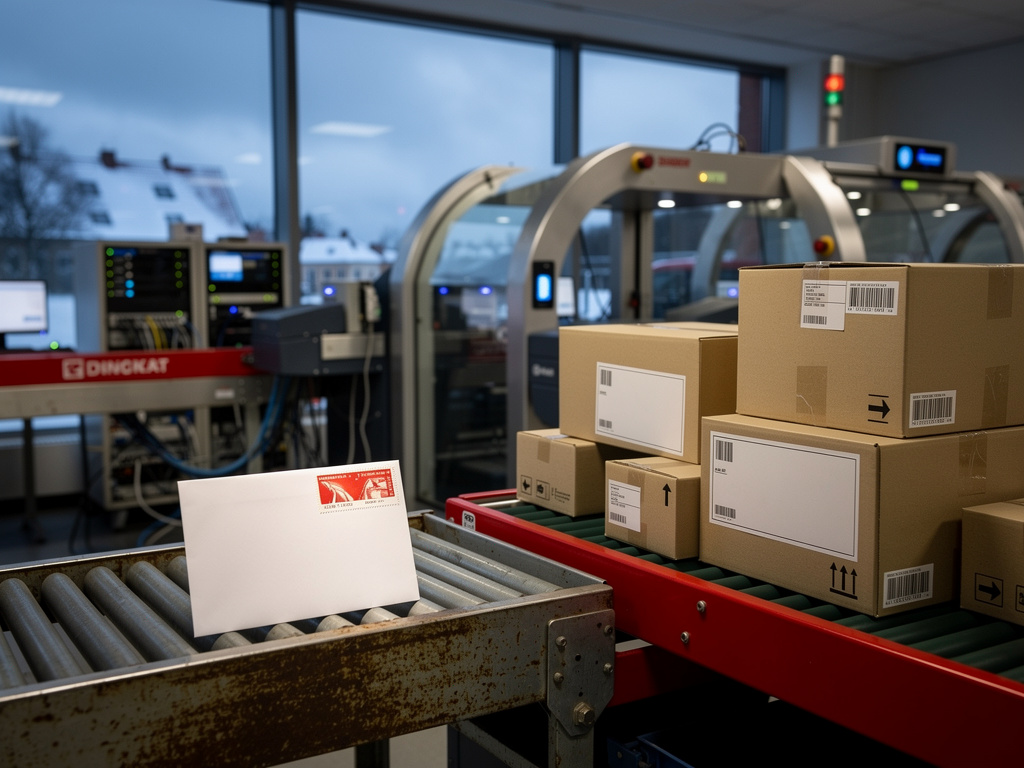
The Final Stamp: Denmark’s Postal Revolution and the Death of the Letter
In the quiet streets of Copenhagen, a centuries-old tradition is drawing to a close. PostNord, Denmark’s national postal service, will deliver its last letter on December 30, 2025, marking the end of a 400-year era that began in 1624 under King Christian IV. This decision, driven by a precipitous decline in letter volumes amid rampant digitalization, underscores a profound shift in how societies communicate. As reported in The Guardian, the move reflects fears over the “increasing digitalisation” of Danish society, with letter volumes plummeting by more than 90% since the turn of the century.
The announcement has sparked a mix of nostalgia and pragmatism across Denmark. PostNord, a joint venture between the Danish and Swedish governments, has seen its letter business dwindle to a fraction of its former self. At its peak, the service handled billions of letters annually, but today, emails, instant messages, and digital notifications have rendered physical mail obsolete for most purposes. This isn’t just a business pivot; it’s a cultural milestone. Danes are sending their final Christmas cards through the post, as highlighted in The Week, signaling the disappearance of iconic red postboxes from streets starting in June 2026.
Beyond the sentiment, the economic rationale is stark. PostNord plans to focus exclusively on parcel delivery from 2026 onward, capitalizing on the e-commerce boom. The company cites unsustainable costs in maintaining a letter network for dwindling demand. According to official statements on their own site, as covered in PostNord’s announcement, this shift will streamline operations and align with modern consumer habits.
A Digital Tide Overwhelms Tradition
The roots of this transformation trace back to Denmark’s aggressive embrace of digital infrastructure. As one of Europe’s most digitally advanced nations, Denmark has long prioritized online services for everything from banking to government correspondence. The decline in letter mail isn’t unique to Denmark, but the country’s decision to fully abandon it sets a precedent. Data from various reports indicate that letter volumes have fallen from 1.5 billion at their height to mere millions today, a drop exacerbated by the pandemic’s acceleration of remote communication.
Industry experts point to broader trends in global postal services. In the U.S., the Postal Service grapples with similar issues, though it hasn’t yet contemplated ending letter delivery. Meanwhile, countries like Sweden and Norway, partners in the Nordic postal ecosystem, are watching closely. Posts on X, formerly Twitter, from users like tech entrepreneur David Heinemeier Hansson, reflect widespread astonishment at this “end of an epoch,” emphasizing how digital tools have supplanted traditional mail.
This pivot also raises questions about accessibility. While Denmark boasts high internet penetration—over 98% of households are connected—not everyone is equally equipped for a fully digital world. Elderly citizens and those in rural areas may face challenges adapting to online-only communications, potentially exacerbating social divides. Advocacy groups have voiced concerns, arguing that the state has a responsibility to maintain universal service obligations.
Job Losses and Economic Ripples
The human cost of this transition is significant. PostNord anticipates laying off around 1,500 employees in Denmark, roughly a third of its workforce, as detailed in coverage from BBC News. These job cuts will primarily affect mail carriers and sorting staff, many of whom have dedicated decades to the service. Unions are negotiating severance packages and retraining programs, but the impact on local communities could be profound, especially in smaller towns where postal jobs form a economic backbone.
Economically, the shift to parcels promises growth. E-commerce in Denmark has surged, with online sales projected to increase by 15% annually through 2030. PostNord’s refocus could position it as a leader in logistics, competing with private giants like DHL and UPS. However, this comes at the expense of traditional services. As noted in The Economist, Denmark is the first nation to end letter collection entirely, but others may follow as postal deficits mount worldwide.
On a societal level, the end of letters symbolizes more than convenience; it erodes a tangible link to the past. Historians argue that physical mail has played a crucial role in cultural exchanges, from wartime letters to literary correspondences. In Denmark, where hygge—the art of coziness—often involves personal touches like handwritten notes, this change could subtly alter social norms.
Global Echoes and Precedents
Looking abroad, similar pressures are mounting. In the UK, Royal Mail has reduced delivery days and increased prices to cope with declining volumes. Australia Post has diversified into banking and e-commerce to stay afloat. Denmark’s bold step, as analyzed in News for Kids, might inspire others, though political resistance in larger nations could delay such moves. For instance, the U.S. Postal Service, mandated by law to provide universal service, faces congressional hurdles to any drastic reforms.
Social media sentiment on X reveals a blend of melancholy and acceptance. Posts lament the loss of romantic gestures like love letters, while others praise the efficiency of digital alternatives. One viral thread highlighted how younger generations view physical mail as archaic, akin to fax machines. This generational divide underscores a broader cultural evolution, where speed trumps sentiment.
Moreover, the environmental angle adds complexity. Reducing letter delivery could cut carbon emissions from transportation, aligning with Denmark’s green ambitions. Yet, the rise in parcel deliveries might offset these gains through increased packaging waste and vehicle traffic. Analysts suggest that sustainable practices, such as electric delivery fleets, will be key to mitigating this.
Innovation in the Wake of Change
As PostNord transitions, innovation is already underway. The company is investing in automated sorting centers and drone deliveries for parcels, aiming to enhance efficiency. Partnerships with tech firms could integrate AI for predictive logistics, ensuring timely shipments in a post-letter world. This mirrors trends in Daily Mail reports, which detail the removal of 1,500 red postboxes as part of the overhaul.
For consumers, alternatives abound. Private couriers will handle residual letter needs, though at higher costs. Digital platforms like DocuSign for legal documents and apps for greeting cards are filling voids. In education, schools might incorporate lessons on digital literacy to prepare future generations, ensuring no one is left behind.
Critics, however, warn of over-reliance on technology. Cybersecurity risks loom large; a digital outage could halt communications far more disruptively than a postal strike. Denmark’s government is bolstering cyber defenses, but the vulnerability remains a point of debate.
Societal Reflections and Future Horizons
Reflecting on this milestone, it’s clear that Denmark’s decision encapsulates a global reckoning with obsolescence. What began as a royal decree in 1624 has evolved into a victim of progress. As Firstpost describes, this “end of an era” is driven by a 90% collapse in mail volume over the last quarter-century, prompting a reevaluation of public services.
The impact on Danish society could foster greater community initiatives, like local letter-writing clubs or digital archives preserving historical correspondences. Museums are already planning exhibits on postal history, turning nostalgia into education.
Ultimately, this change heralds a new chapter for postal services worldwide. As parcels dominate, the focus shifts to logistics innovation and sustainability. Denmark’s experiment may prove a model, demonstrating that even venerable institutions must adapt or fade. In the words of one X poster, it’s not just the end of letters—it’s the dawn of a fully connected, if less tangible, future.
Navigating the Transition’s Challenges
Challenges persist in ensuring equitable access. Rural Danes, where broadband lags slightly behind urban areas, might struggle with digital mandates. Government subsidies for internet access are expanding, but implementation will be key. Additionally, businesses reliant on physical mail, such as legal firms sending certified letters, must pivot to verified electronic methods.
Internationally, this could influence trade agreements, with postal standards evolving in EU regulations. Denmark’s move might pressure the Universal Postal Union to update guidelines for the digital age.
In the end, as the last letters are sorted and delivered, Denmark stands at the forefront of a communication revolution, balancing loss with opportunity in an ever-evolving world.


 WebProNews is an iEntry Publication