
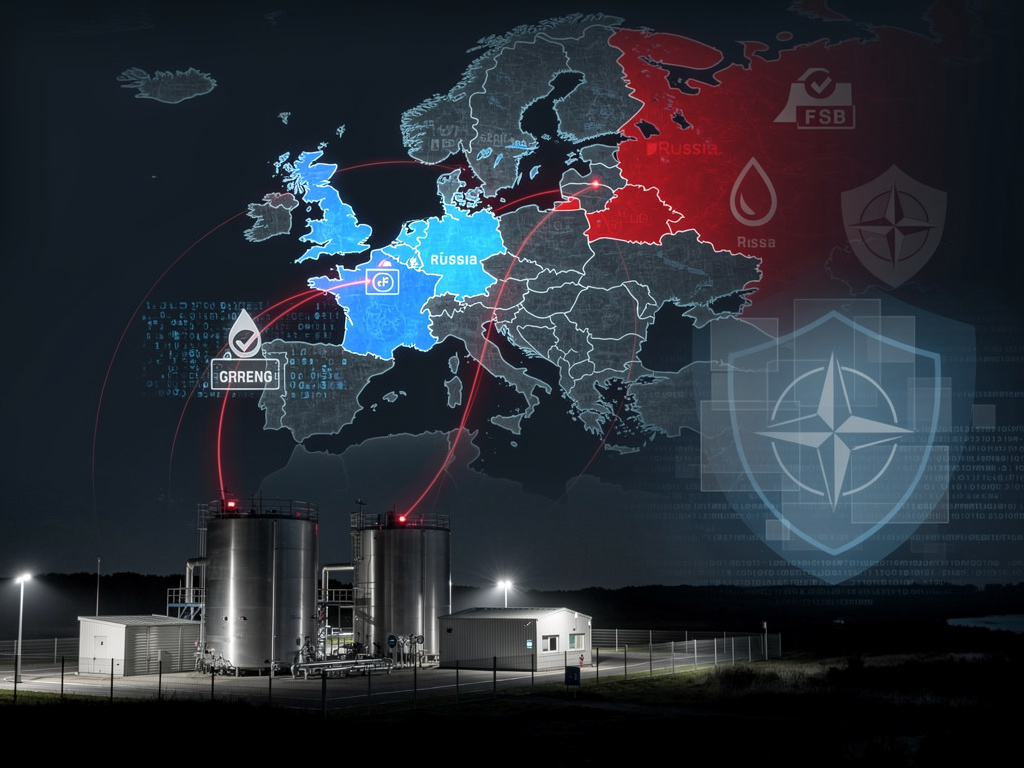
Denmark’s defense intelligence service has publicly pinned two major cyberattacks on Russia, marking a bold escalation in Moscow’s hybrid operations against NATO’s northern flank. The Danish Defence Intelligence Service, known as DDIS, detailed in a Thursday assessment how state-linked Russian groups struck a water utility in 2024 and unleashed distributed denial-of-service barrages ahead of November’s local elections. This disclosure, coming amid heightened tensions over Ukraine, signals Denmark’s readiness to confront digital aggression head-on.
The first incident targeted a water treatment facility in the city of Køge, south of Copenhagen. In early 2024, intruders gained access to industrial control systems, attempting to manipulate chemical dosing that could have poisoned drinking water for thousands. Operators detected the breach in time, isolating systems and averting disaster, but the attack’s sophistication pointed to nation-state backing. DDIS attributes it to the pro-Russian hacking collective Z-Pentest, which it ties directly to Russia’s military intelligence, the GRU.
Water Under Siege
The Køge breach echoes tactics seen in other Russian operations, such as the 2022 French water plant hack attributed to the Sandworm group. According to BleepingComputer, the attackers exploited weak remote access protocols, a common vulnerability in operational technology environments. Danish officials note the intruders altered chlorine levels remotely, a move that could have caused widespread health risks if undetected. The water utility, serving around 60,000 residents, shut down operations for days while experts purged the malware.
DDIS chief Lars Wedemann told reporters the evidence was ‘clear and compelling,’ including code similarities with known GRU tools and IP traces leading to Russian infrastructure. This attribution breaks from Denmark’s typically cautious public stance on cyber threats, reflecting a strategic shift post-Ukraine invasion.
Election-Day Disruptions
Shifting to the political arena, DDIS fingered another Russian-linked outfit, NoName057(16), for a wave of DDoS attacks in October and November. These floods crippled websites of political parties, municipalities, and public agencies just before voters headed to polls for municipal and regional seats. Traffic volumes spiked to 100 gigabits per second at peaks, overwhelming servers and forcing outages lasting hours. AP News reports the assaults aimed to sow chaos and erode trust in democratic processes.
NoName057(16) claimed responsibility on Telegram, boasting of hitting ‘NATO warmongers.’ DDIS analysis reveals the group receives funding and tasking from Russia’s FSB security service, blending hacktivist rhetoric with state-directed ops. Similar DDoS campaigns have targeted Ukraine, Estonia, and now Denmark, part of a broader pattern to test Western resolve.
Hybrid War Indicators
Denmark’s report frames these as ‘clear evidence’ of hybrid warfare, combining cyber with sabotage like the Baltic cable cuts earlier this year. Foreign Minister Lars Løkke Rasmussen announced plans to summon Russia’s ambassador, a diplomatic riposte underscoring the gravity. "Russia’s actions threaten our security and democracy," he stated, per The Guardian.
Industry experts view this as a wake-up call for critical infrastructure. "Water utilities worldwide must segment IT and OT networks immediately," said Kevin Mandia, CEO of Mandiant, in related commentary. Denmark’s response includes bolstering CISA-style information sharing and investing 500 million kroner in cyber defenses.
Kremlin Ties Exposed
DDIS didn’t mince words on attribution: Z-Pentest and NoName057(16) operate under ‘clear Russian state control,’ with shared infrastructure and synchronized timing to geopolitical events. Infosecurity Magazine highlights forensic links, including malware signatures matching prior GRU campaigns like NotPetya. This public naming aligns with U.S. and U.K. strategies to deter through exposure.
The water attack’s payload, dubbed a ‘wiper variant,’ destroyed logs and configs, complicating recovery. BleepingComputer details how it evaded detection for weeks via living-off-the-land techniques, underscoring the need for behavioral analytics in SCADA monitoring.
Broader NATO Implications
Denmark’s moves ripple across the alliance. NATO’s cyber center in Tallinn has ramped up exercises simulating Russian hybrid threats. Posts on X from analysts like @SamuelRamani2 note parallels to Estonia’s 2007 attacks, suggesting a playbook refinement. Meanwhile, The Cyber Express reports EU sanctions discussions targeting implicated hackers.
French outlet Le Monde adds that Danish firms like Ørsted, key to energy security, faced reconnaissance scans post-Køge. This intelligence-sharing push aims to preempt wider strikes on the Nordic grid.
Defensive Countermeasures
In response, Copenhagen is mandating zero-trust architectures for utilities and launching a national cyber fusion center. DDIS emphasizes public-private partnerships, drawing lessons from Israel’s Unit 8200 model. International allies, including the Five Eyes, have offered forensic aid, per recent web reports from Reuters.
The political DDoS timing wasn’t coincidental; it coincided with debates over Ukraine aid, aiming to amplify anti-war sentiments. AP News quotes election officials estimating voter turnout dips in hit areas, though results held firm.
Future Threat Trajectories
Looking ahead, DDIS warns of escalating hybrid tactics, potentially blending cyber with physical sabotage amid winter energy strains. The Guardian notes Denmark’s seaport role makes it a prime target for logistics disruptions. Industry insiders urge endpoint detection investments, citing the attacks’ use of commodity tools like Cobalt Strike.
As Russia faces battlefield setbacks, cyber becomes a force multiplier. Denmark’s forthright attribution sets a precedent, pressuring allies to name and shame. With the ambassador summons pending, expect tit-for-tat rhetoric from Moscow, but Copenhagen signals no backing down.


 WebProNews is an iEntry Publication