
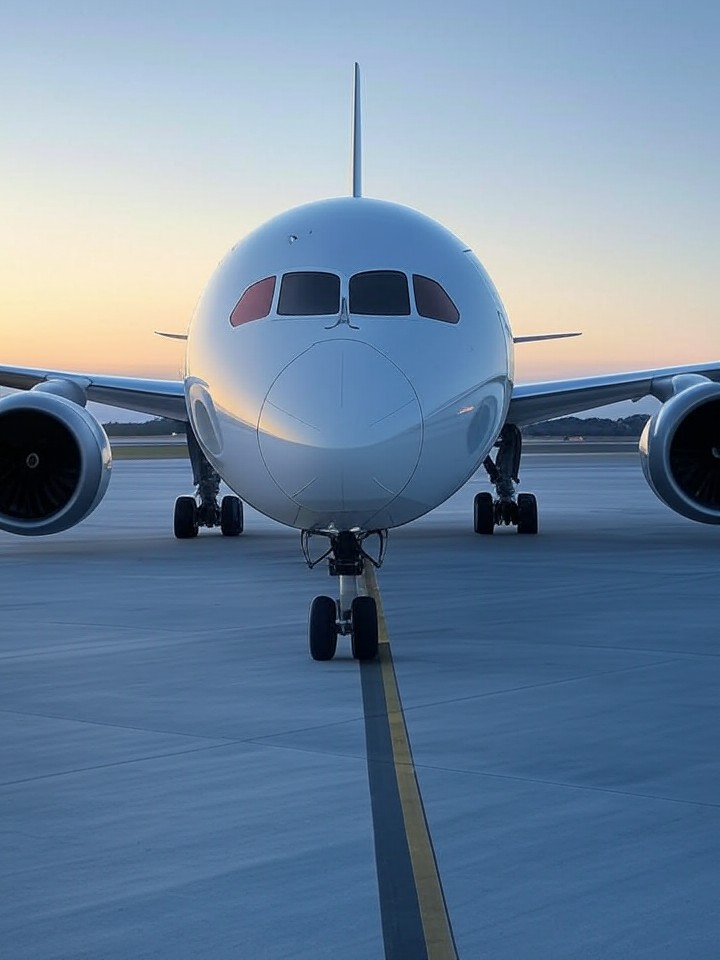
Delta’s Dreamliner Gambit: Reviving Boeing Ties Amid Fleet Overhaul
Delta Air Lines Inc. has made a pivotal move in its fleet strategy by placing an order for up to 60 Boeing 787-10 Dreamliners, marking its first direct purchase from Boeing Co. in over a decade. This decision, announced on January 13, 2026, underscores Delta’s ambition to modernize its widebody aircraft lineup while expanding international routes. The order includes a firm commitment for 30 jets and options for an additional 30, with deliveries slated to begin in 2031. According to details from Boeing’s official release, this purchase elevates Delta’s total order book with the manufacturer to 130 aircraft, signaling a renewed partnership after years of favoring Airbus SE models.
The shift comes at a time when Delta is focusing on premium travel demand, which has proven resilient amid fluctuating economic conditions. Industry analysts note that the 787-10, known for its fuel efficiency and spacious cabin, aligns perfectly with Delta’s goals to enhance passenger experience on long-haul flights. Ed Bastian, Delta’s CEO, emphasized in a statement that these aircraft will support operational improvements and replace aging planes, fostering sustainable growth. This order is not just about adding capacity; it’s a strategic bet on Boeing’s recovery from recent production challenges, including those stemming from quality control issues in previous years.
Beyond the numbers, the deal reflects broader industry trends where airlines are investing in efficient widebodies to capitalize on rebounding international travel. Delta’s move positions it competitively against rivals like United Airlines Holdings Inc. and American Airlines Group Inc., both of which have substantial 787 fleets. As reported in a Business Insider analysis, Delta’s order serves as a warning shot to these competitors, highlighting its intent to dominate premium long-haul markets, particularly transatlantic and South American routes.
Strategic Fleet Renewal and Market Positioning
Delta’s current widebody fleet is dominated by Airbus A350s and older Boeing 767s, with the latter gradually being phased out. The introduction of the 787-10 will introduce greater flexibility, offering a range of up to 6,430 nautical miles and seating for around 330 passengers in a typical configuration. This allows Delta to optimize routes that demand high efficiency without sacrificing comfort. Sources from the Boeing Media Room detail how the aircraft’s composite materials contribute to a 25% reduction in fuel burn compared to previous generations, a critical factor as airlines grapple with rising fuel costs and environmental regulations.
Financially, the order is timed with Delta’s optimistic outlook for 2026, projecting a 20% earnings growth driven by premium and corporate travelers. A Reuters report highlights that while economy seat demand remains soft, higher-income segments are fueling this expansion. Delta’s strategy involves leveraging the 787’s capabilities to add more premium seats, potentially increasing revenue per available seat mile on key international corridors. This approach mirrors successful tactics employed by peers, but Delta’s scale and network give it an edge in implementation.
Industry insiders point out that this order could alleviate some pressure on Boeing, which has faced delivery delays and regulatory scrutiny. By choosing the 787-10, Delta is endorsing Boeing’s largest Dreamliner variant, designed for high-density routes. Posts on X from aviation enthusiasts and analysts, such as those praising the deal as a “big win” for Boeing, reflect positive sentiment around this partnership revival. However, challenges remain, including ensuring timely deliveries amid Boeing’s ongoing supply chain issues.
Economic Implications and Competitive Dynamics
The timing of the announcement coincides with Delta’s earnings call, where executives forecasted robust bookings from leisure and business travelers early in 2026. This confidence is backed by data showing a surge in transatlantic demand, with Delta planning to deploy the new jets on routes to Europe and South America. As noted in coverage from One Mile at a Time, the 2031 delivery start provides Delta ample time to integrate these aircraft into its operations, allowing for phased retirement of less efficient models.
Comparatively, United and American have long relied on the 787 for their international expansions, with United operating over 70 Dreamliners and American around 50. Delta’s entry into this space could intensify competition, potentially leading to fare wars or enhanced service offerings. A Delta News Hub article elaborates on how the 787 will improve in-flight experiences, including larger windows, better air quality, and reduced cabin noise—features that appeal to premium passengers willing to pay more.
Moreover, this order breaks Delta’s Airbus-centric streak, which included a recent purchase of 20 A350-1000s in 2024, as referenced in various X posts from that period. While Delta maintains a diverse fleet, the Boeing addition diversifies its supplier base, mitigating risks associated with over-reliance on one manufacturer. Analysts suggest this could strengthen Delta’s negotiating power in future deals, ensuring better terms and innovation incentives from both Boeing and Airbus.
Operational Enhancements and Sustainability Focus
From an operational standpoint, the 787-10’s advanced technology promises lower maintenance costs and higher dispatch reliability, key metrics for Delta’s efficiency-driven model. Boeing’s investor release, accessible via Boeing Investors, underscores the aircraft’s role in fleet modernization, with Delta aiming to replace older widebodies by the end of the decade. This aligns with global sustainability goals, as the Dreamliner’s efficiency reduces carbon emissions per passenger, helping Delta meet increasingly stringent environmental standards.
In terms of route planning, Delta envisions using the 787 on high-demand paths where larger aircraft like the A350 might be overkill. For instance, emerging markets in South America could see new nonstop services, boosting connectivity and economic ties. Insights from Travel And Tour World emphasize how this order supports Delta’s international growth, with potential for new hubs or partnerships.
However, integrating a new aircraft type involves significant training and logistical investments. Delta will need to upskill pilots and maintenance crews, a process that could span years. Industry observers, drawing from similar transitions at other carriers, anticipate Delta will manage this smoothly given its track record, but any delays in Boeing’s production could ripple through these plans.
Broader Industry Ripple Effects
The deal’s implications extend to Boeing’s order backlog and stock performance. Following the announcement, Boeing shares saw a modest uptick, reflecting investor optimism about securing a major U.S. customer. A post on X from a trading account highlighted the order as a positive signal for airline economics, pointing to sustained global travel demand. This sentiment is echoed in media like Airways Magazine, which details Delta’s aim to modernize for long-haul routes.
Competitively, this could prompt responses from rivals. United, with its extensive 787 fleet, might accelerate its own orders, while American could focus on optimizing its existing assets. Delta’s emphasis on premium travel, as per Reuters, positions it to capture a larger share of corporate bookings, which have rebounded strongly post-pandemic.
Looking ahead, the order underscores a maturing phase in aviation where efficiency and passenger experience drive decisions. Delta’s strategy, blending fleet renewal with market expansion, sets a benchmark for others. As one X user noted in discussions around the announcement, this move is hailed as a win for Boeing amid its challenges, potentially stabilizing its position in the widebody market.
Future Prospects and Challenges Ahead
Delta’s executives have expressed enthusiasm for the 787’s role in enhancing customer satisfaction, with features like customizable lighting and higher humidity levels. These elements, detailed in Boeing’s descriptions, could differentiate Delta’s offerings in a crowded market. Furthermore, the aircraft’s versatility allows for quick reconfiguration, adapting to seasonal demand shifts.
Challenges include geopolitical risks affecting international routes and fluctuating fuel prices, which could impact the economic rationale for new jets. Yet, Delta’s forecast of strong 2026 profits, fueled by premium segments, suggests resilience. Business Insider’s piece reinforces that this order puts pressure on competitors, urging them to innovate or expand similarly.
Ultimately, this partnership revival between Delta and Boeing could herald a new era of collaboration, with potential for more orders if performance meets expectations. As aviation continues to evolve, Delta’s calculated investment in the Dreamliner positions it as a leader in efficient, customer-focused air travel, ready to navigate the demands of a globalized world.


 WebProNews is an iEntry Publication