
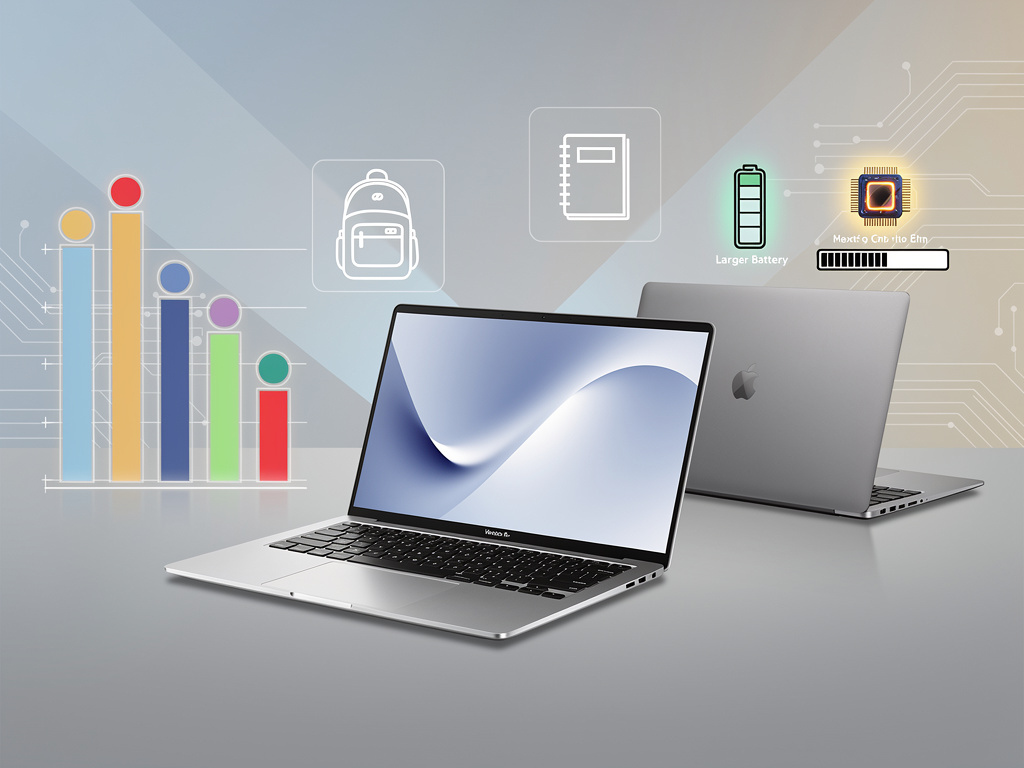
Dell has pulled the XPS 13 name from the premium shelf and repositioned it as an affordable weapon against Apple’s MacBook Neo. The move comes at Computex 2026 in Taipei. It signals a sharp pivot for a brand once defined by high prices and striking design.
The new machine starts at $699. Students pay $599 through September for back-to-school promotions. That matches the MacBook Neo’s regular price exactly. Education buyers at Apple pay even less at $499. Dell’s COO Jeff Clarke named the MacBook Neo directly in briefings. No mincing words there.
At one kilogram and 12.7 millimeters thick the laptop earns its claim as the thinnest and lightest XPS yet. A CNC-machined aluminum chassis gives it a premium look and feel that belies the price. The 13.4-inch touchscreen delivers 2560 by 1600 resolution. It runs at up to 120Hz with variable refresh. Brightness reaches 500 nits. Full DCI-P3 coverage and DisplayHDR 400 support round out the panel. Every configuration gets this same high-quality display. That’s a notable step up from many budget rivals.
Power comes from Intel’s Core Series 3 processors. Entry models use the six-core Core 5 320 from the Wildcat Lake family. Higher versions step up to Core Ultra 7 355 on Panther Lake. Base configurations start with 8GB of LPDDR5X RAM. Storage begins at 512GB. Upgrades reach 16GB or even 32GB on select models. Yet the 8GB floor raises familiar questions for Windows users who juggle multiple tabs and apps. Memory pressure remains real.
A 52 watt-hour battery powers the system. Dell claims up to 17 hours of video playback. Real-world mixed use falls between four and ten hours according to early estimates. The cell measures 42 percent larger than the MacBook Neo’s 36.5 watt-hour pack. The XPS 13 also weighs 22 percent less than Apple’s 1.23-kilogram offering. Those differences matter for students carrying devices all day.
Connectivity stays minimal. Two USB-C ports handle charging, video output and data. No headphone jack appears on the base model. Higher configurations arriving later add Thunderbolt 4 support. Wi-Fi 7 and Bluetooth 6.0 keep wireless performance current. A backlit keyboard provides one clear advantage over the MacBook Neo. The haptic touchpad returns with improved feel after past criticism on earlier XPS designs.
This isn’t the XPS buyers remember from a few years ago. Previous generations commanded $1,200 and up. They targeted professionals who valued thin bezels and InfinityEdge displays. Dell killed the XPS line entirely in 2025 before a partial revival with the XPS 14 and 16 at CES 2026. Those models corrected design missteps and delivered strong battery results. Some tests showed the XPS 14 exceeding 40 hours in specialized longevity runs. The new XPS 13 takes the name downmarket while trying to retain some of that prestige.
Apple’s MacBook Neo launched in March 2026 and quickly set sales records among first-time buyers. Its combination of price, efficiency and macOS integration pressured Windows makers. Acer responded with a $699 Swift Air 14 using similar Intel chips and an aluminum body. Now Dell joins the fray with a more recognizable badge and a lighter footprint. The market for sub-$700 thin laptops has grown crowded fast.
Yet Dell faces the same constraints as competitors. Base 8GB RAM on Windows 11 can lead to swapping under load. Upgrading to 16GB improves the experience but raises the price at a time when DRAM costs remain elevated. That math hurts the value story. The MacBook Neo ships with the same 8GB but benefits from Apple’s memory-efficient architecture. Direct performance comparisons will come once review units ship in July.
Analysts see the XPS 13 as Dell’s attempt to protect share in education and entry-level productivity. The company reported strong earnings recently. AI infrastructure demand helped lift the stock. This laptop won’t carry the same AI acceleration as higher-end Copilot+ PCs. It focuses instead on practical features students actually notice. A bright responsive screen. Solid build. Decent battery. Familiar Windows software compatibility.
Ports remain limited. The absence of an SD card reader or HDMI will frustrate some users. Future discrete GPU versions teased at Computex promise RTX graphics, tandem OLED panels, HDMI and card slots. Those will target creative professionals at much higher prices. The XPS 13 keeps things simple. Two ports. One display. One mission.
Whether the revived name can overcome past perceptions matters. Earlier XPS 13 models with Lunar Lake and Snapdragon chips earned praise for efficiency but faced criticism over trackpad behavior and port choices. The 2025 Lunar Lake version delivered strong battery life yet struggled with some design quirks. This budget edition strips away complexity. It leans on the display and chassis to justify the spend.
Availability begins in July. The student discount runs through September. After that the $699 price applies across the board. Configurations with more RAM and storage will push closer to $900 or beyond. At those levels the value equation shifts against the MacBook Neo and toward midrange Windows machines from Lenovo or Acer.
Dell clearly believes the XPS badge still carries weight. The company resurrected it after a brief retirement. Early signs suggest the hardware delivers on paper. A lighter body. A better screen than most expect at this price. Longer battery potential. The real test arrives when reviewers measure actual endurance, thermals and responsiveness under Windows 11 with limited memory.
The broader industry watches closely. Apple’s success with the MacBook Neo forced concessions from PC makers. Lower prices. Better displays. Stronger efficiency claims. Dell’s answer keeps the XPS 13 alive in a segment it once ignored. Success here could encourage more premium features to trickle down. Failure might accelerate the race to the bottom. For now the machine exists as a direct shot across Apple’s bow. Lighter. Brighter. Ready for campus life. The question is whether buyers will pay the slight premium over the Neo for the Windows experience and that storied name.
Sources include reporting from TechRadar, The Verge, Bloomberg and TweakTown. Recent coverage from Forbes and Windows Central echoes the student pricing push and 8GB RAM concerns.


 WebProNews is an iEntry Publication