
Reversing the Slimness Obsession: PC Giants Chart a Repair-First Path Against Apple’s Design Dominance
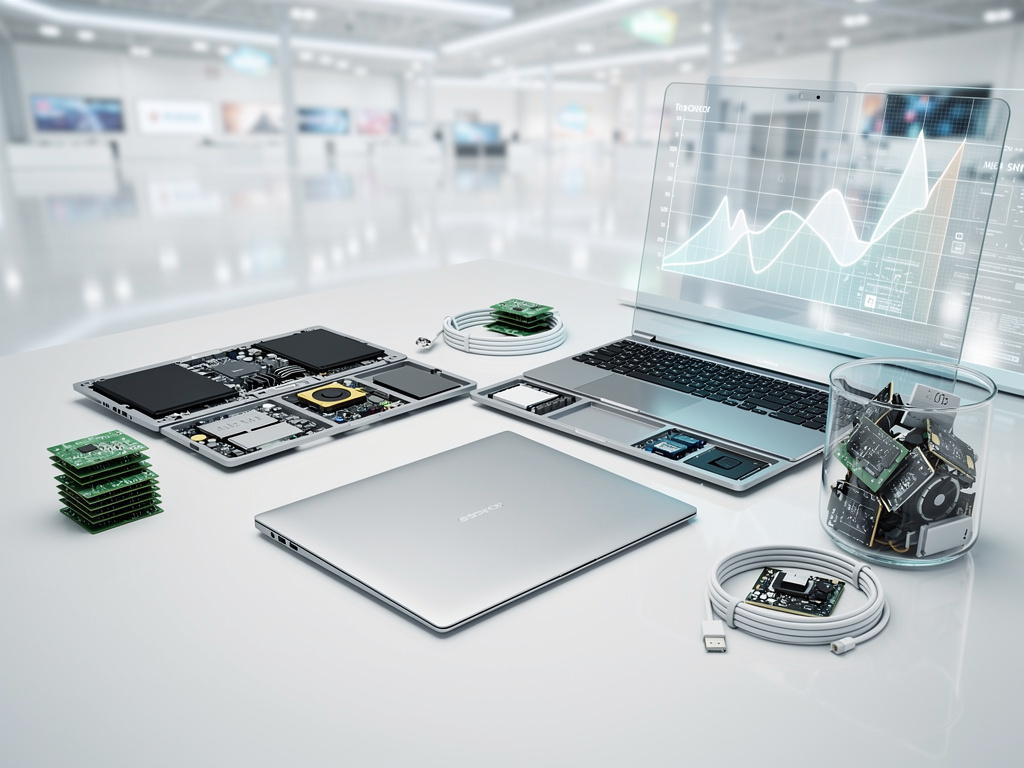
In the ever-evolving world of personal computing, a notable shift is underway as major players like Dell, HP, and Lenovo unveil laptop designs that deliberately diverge from Apple’s relentless pursuit of ultra-thin profiles. While Apple continues to prioritize sleekness and integration in its MacBook lineup, these competitors are embracing modularity, repairability, and user empowerment. This strategic pivot, highlighted at CES 2026, signals a broader industry response to consumer demands for longevity and sustainability in devices.
According to a recent report from 9to5Mac, Apple’s rumored MacBook Pro redesign aims for even thinner builds, potentially sacrificing ports and upgradability for a more seamless aesthetic. In contrast, Dell, HP, and Lenovo are introducing models that emphasize easy repairs and component swaps, catering to professionals who value durability over minimalism. This approach not only addresses environmental concerns but also aligns with emerging regulations pushing for right-to-repair standards.
Industry analysts note that this divergence stems from differing market philosophies. Apple has long positioned its products as premium, closed ecosystems where hardware and software are tightly intertwined. However, as users increasingly seek devices that last longer and reduce e-waste, PC manufacturers are capitalizing on open architectures to differentiate themselves.
Embracing Modularity in a World of Sealed Systems
Dell’s latest XPS series, for instance, incorporates user-replaceable batteries and RAM modules, a feature that directly counters the soldered components in Apple’s recent MacBooks. Sources from PCWorld at CES 2026 describe these designs as “bold” and focused on practicality, with prices reflecting the added engineering for accessibility. This move is seen as a nod to enterprise users who prioritize downtime minimization through quick fixes.
HP’s refreshed OmniBook lineup, as detailed in coverage from Windows Central, introduces OLED options alongside modular internals. The flagship models allow for straightforward upgrades to storage and memory, a stark contrast to Apple’s integrated approach. Executives at HP have emphasized that this design philosophy stems from feedback loops with business clients, who often extend device lifecycles through in-house maintenance.
Lenovo, meanwhile, is pushing boundaries with innovative form factors like the ThinkBook Plus Gen 6 Rollable, which features an expandable OLED display. Posts on X highlight user excitement about its 120Hz screen that rolls out from 14 to 16.7 inches, blending functionality with repair-friendly components. This innovation, as reported in various tech forums, positions Lenovo as a leader in adaptable hardware.
Regulatory Pressures and Consumer Sentiment Driving Change
The push toward repairable designs isn’t happening in a vacuum. Global regulations, such as those in the European Union mandating easier device repairs, are influencing manufacturers worldwide. Dell, HP, and Lenovo’s strategies appear tailored to comply with these rules while appealing to eco-conscious consumers. A report from CNET at CES 2026 notes that many laptop makers are “turning back the clock” to prioritize upgradability, directly opposing Apple’s sealed ecosystems.
Consumer sentiment, amplified on platforms like X, reveals a growing frustration with disposable tech. Users frequently compare battery life and longevity across brands, with Lenovo’s ThinkPad series often praised for ruggedness over Apple’s sleeker but less flexible MacBooks. One viral thread discussed how MacBooks excel in aesthetics but lag in repair ease, fueling demand for alternatives from the PC trio.
Moreover, economic factors play a role. With rising component costs, such as pricier RAM mentioned in PCWorld’s CES preview, manufacturers are justifying higher prices through added value like modularity. This allows them to target segments where total cost of ownership matters more than initial slimness.
Technological Innovations Fueling the Divergence
At the heart of these new designs are advancements in processor technology and display innovations. Lenovo’s integration of AMD Ryzen AI PRO 300 Series processors in the ThinkPad X13 Gen 6, as promoted in their official announcements, enables lightweight yet powerful machines without compromising on repair access. This contrasts with Apple’s custom M-series chips, which are deeply embedded and harder to service.
HP’s Spectre Fold, anticipated in updates from Brand Vision, combines foldable designs with next-gen chips, offering versatility that Apple’s rigid form factors can’t match. Industry insiders point out that such flexibility appeals to creative professionals who need adaptable tools for varied workflows.
Dell’s focus on sustainable materials and modular ports further sets it apart. Drawing from Engadget‘s CES coverage, these laptops feature experimental form factors that prioritize user modifications, potentially extending device life spans by years.
Market Implications for Competition and Innovation
This design schism could reshape market dynamics, forcing Apple to reconsider its strategies. While Apple’s ecosystem lock-in retains loyalists, the PC makers’ emphasis on openness might erode market share among professionals and institutions. Analysts from Tech Milky Way forecast releases like the Dell XPS 14 and HP Spectre Fold to compete directly with Apple’s M6-powered MacBooks in performance, but with superior repair metrics.
On X, discussions often pit these brands against each other, with users ranking factors like efficiency and aesthetics. MacBooks top visual appeal, but Dell’s XPS and HP’s Spectre gain ground in user satisfaction for longevity. This sentiment underscores a broader trend where functionality trumps form for many buyers.
Furthermore, the integration of AI-focused features in these laptops adds another layer. Lenovo’s rollable display, combined with AI enhancements, promises productivity boosts that Apple’s thinner designs might struggle to incorporate without added bulk.
Challenges and Future Trajectories in Laptop Evolution
Despite the enthusiasm, challenges remain. Modular designs can introduce complexities in manufacturing and potentially higher failure rates if not executed well. HP’s OmniBook refresh, as per Windows Central, addresses this with robust testing, but skeptics worry about waterproofing and durability compared to Apple’s sealed units.
Pricing is another hurdle. PCWorld’s analysis suggests that fun designs come with tougher prices, which could limit accessibility. Yet, for industry insiders, the long-term savings from upgradability outweigh initial costs, especially in corporate environments.
Looking ahead, this opposition to Apple’s trends might inspire hybrid approaches. Some speculate that future iterations could blend slimness with modularity, but for now, Dell, HP, and Lenovo are carving out a niche by prioritizing user agency.
Industry Voices and Expert Perspectives
Experts interviewed at CES, as captured in Tom’s Guide‘s live coverage, predict that repairability will become a key differentiator. One analyst remarked that while Apple innovates in integration, PC makers are innovating in accessibility, potentially leading to a more diverse market.
French tech site iPhonote echoes this, describing how these brands are “rivaling Apple through innovation” in repair-focused designs. This international perspective highlights the global appeal of sustainable tech.
X posts from tech enthusiasts further amplify this, with comparisons favoring Lenovo’s ThinkPad for efficiency in professional settings over Apple’s offerings.
Economic and Environmental Ramifications
Economically, this shift could boost aftermarket industries, from third-party parts to repair services. Dell’s emphasis on replaceable components, as noted in 9to5Mac’s report, supports a burgeoning ecosystem that Apple’s closed model largely sidesteps.
Environmentally, modular laptops reduce waste by allowing component-level repairs rather than full replacements. Regulations are accelerating this, with Lenovo’s designs aligning well, as seen in their AMD-powered lightweight models.
In corporate adoption, HP’s lineup is gaining traction for its balance of performance and maintainability, potentially shifting procurement trends away from Apple’s premium pricing.
Strategic Positioning in a Competitive Arena
Strategically, these moves position Dell, HP, and Lenovo as champions of consumer rights in tech. By opposing Apple’s thinness quest, they’re not just competing on specs but on philosophy, appealing to users tired of planned obsolescence.
Engadget’s CES roundup praises the “new wave of AI-focused notebooks” from these brands, which integrate cutting-edge tech without sacrificing upgradability.
Ultimately, this divergence enriches the market, offering choices that cater to diverse needs, from the style-conscious to the practicality-driven.
Reflections on Innovation’s Dual Paths
As the industry progresses, the contrast between Apple’s integrated elegance and the PC giants’ modular robustness underscores two valid paths to innovation. While Apple may continue to set benchmarks in design cohesion, the responses from Dell, HP, and Lenovo ensure that alternatives thrive.
Posts on X reflect ongoing debates, with users appreciating the variety, such as Lenovo’s rollable screens versus Apple’s static displays.
This evolving dynamic promises exciting developments, keeping the sector vibrant and responsive to user demands.


 WebProNews is an iEntry Publication