
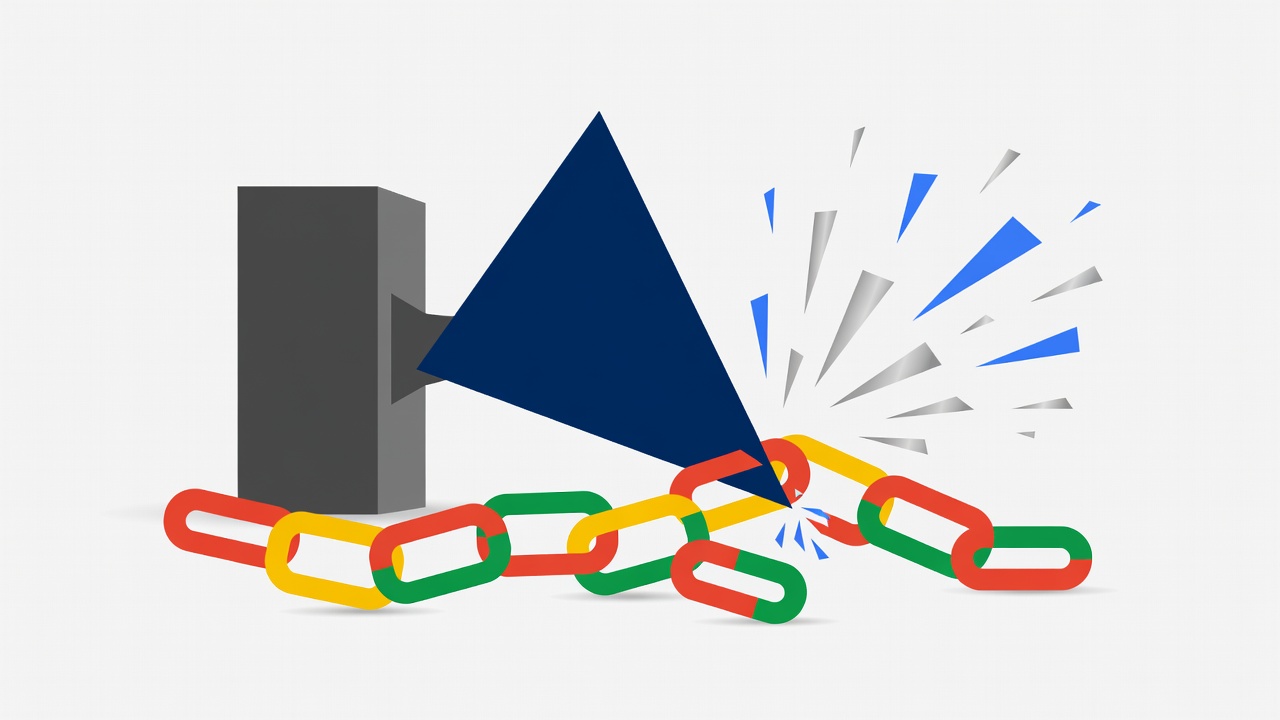
Indian brands are consulting lawyers about possible lawsuits after a Delhi High Court decision found Google liable for trademark infringement in its handling of keyword advertising. The May 22 ruling in favor of sanitaryware maker Hindware ordered Google LLC and Google India to pay Rs 3 million in damages and permanently barred the company from allowing the Hindware mark as a keyword in its ads program.
The case began more than a decade earlier. Hindware discovered in 2013 that rival Cera Sanitaryware and a website developer were bidding on its trademark through Google AdWords. Grohe joined the bidding in 2014. Searches for Hindware surfaced competitor ads at the top. The brand owners settled with the rivals. Proceedings against Google continued.
Justice Mini Pushkarna issued a 163-page judgment. She held that use of a trademark as an invisible keyword still counts as use in advertising under Section 29(6)(d) of the Trade Marks Act. The court rejected Google’s claim of passive intermediary status under Section 79 of the IT Act. Google’s AdWords system suggests keywords, runs auctions, ranks ads, and collects pay-per-click revenue. That activity makes the platform an active participant, the judge ruled.
The court treated Hindware as a coined, distinctive, and well-known mark deserving strong protection. It found Google sold or auctioned the mark without authorization and profited from the commercial value. A permanent injunction now stops Google from using Hindware or related expressions as advertising keywords. The Rs 3 million award covers two suits.
Google stated it operates in line with local laws and will address orders it views as overbroad through legal channels. The company noted its global policy bars competitors from using trademarked terms in ad text.
Founders and executives quickly weighed in. Zerodha founder Nithin Kamath posted that the decision opens a route for legal recourse after years of competitors bidding on brand searches. Shaadi.com founder Anupam Mittal called the practice one where brands create value and others capture it through Google fees. Zoho co-founder Sridhar Vembu also voiced support.
Lawyers report a surge in inquiries from brand owners. Ronil Goger, managing partner at Blaze Legal, described increased strategic consultations from companies with heavy digital acquisition spend. They want to know if competitor keyword bidding has diluted trademark value and whether enforcement now makes commercial sense. Alay Razvi at Accord Juris said brands seek clarity on rival bidding while advertisers want guidance on compliant practices. He called the ruling India’s first final trial-stage decision holding Google liable for keyword trademark infringement and noted an expected appeal.
Performance marketing agency founder Amit Verma observed brands across categories removing competitor keywords from campaigns. No major shift in ad costs has appeared yet, but the cleanup signals caution.
The decision builds on earlier Indian cases but stands out for its detailed rejection of safe-harbor protections and its focus on a coined mark. Earlier disputes produced mixed outcomes. This one treated backend keyword use as advertising activity that triggers liability when the platform actively facilitates and monetizes it.
Reuters reported the ruling could reshape the online ads market. Indian businesses see potential effects on how platforms handle trademarked terms. The Hindu covered similar ground, noting the damages order and business responses. Asia IP Law detailed the court’s reasoning on invisible use and intermediary liability. The Print outlined the 2013 origins and the judge’s view that advertising encompasses the full process of triggering sponsored results.
TechCrunch noted founders reviving criticism of Google’s ad model. They argue the system forces brands to pay to defend traffic they already own. Legal experts quoted there described the impact as incremental rather than sweeping, with platforms likely to review automated suggestion tools.
Google faces an appeal window. Any Division Bench review or eventual Supreme Court consideration would determine broader application. For now the injunction remains specific to Hindware. The reasoning supplies a template for other registered trademark owners who can show similar facts: coined marks, direct competitors, active platform facilitation, and commercial gain.
Brands with strong consumer-facing names and digital budgets now hold a clearer option. They can gather evidence of competitor bids, consult counsel, and consider notices or suits. The economics of search advertising in India may shift as companies weigh legal costs against continued defensive bidding. Platforms, meanwhile, confront renewed pressure to adjust policies or risk further claims.
The Current article from June 24 first highlighted the wave of consultations. Reuters coverage from May 29 captured immediate business reactions. Additional reporting in The Print on May 26 and Asia IP Law on June 23 supplied case background and legal analysis. No single outlet has covered every angle in depth. This account draws from those sources without repetition.


 WebProNews is an iEntry Publication