
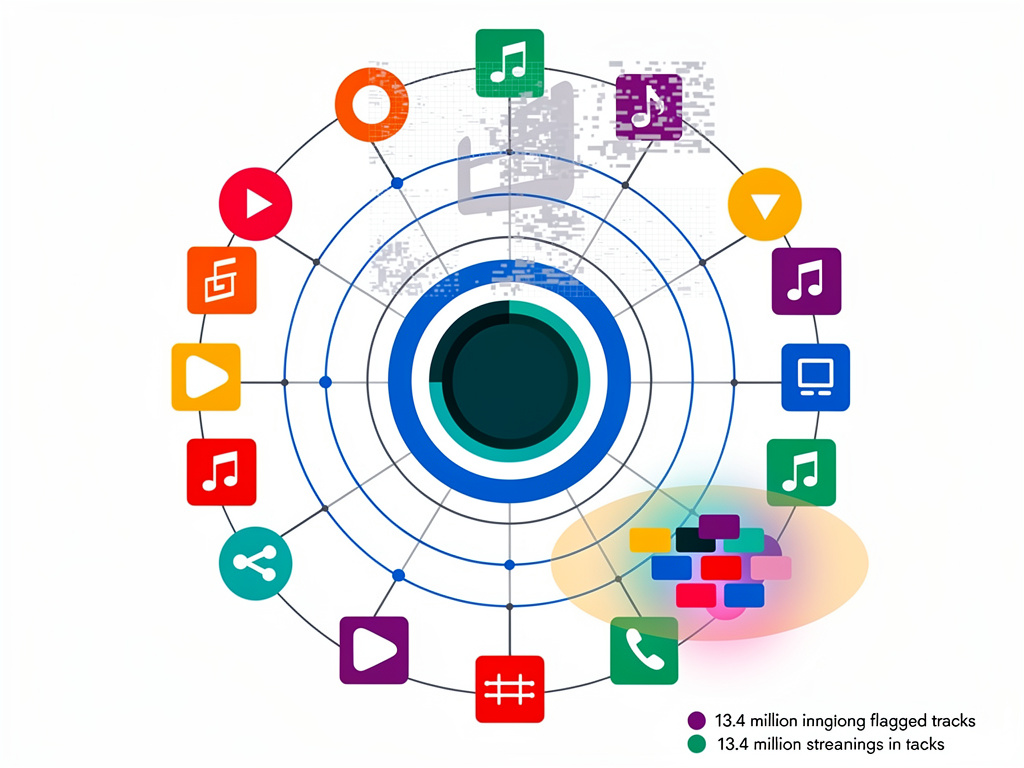
French streaming service Deezer just handed music fans a new way to audit their libraries. On June 11, the company released a free online tool that scans playlists from nearly 20 rival platforms and flags any AI-generated songs it finds. Users connect accounts from Spotify, Apple Music, YouTube Music or SoundCloud. Deezer pulls the lists, runs its detection model, and reports back. Results can be shared with a single click.
The move comes after months of the company trying to sell its technology to others. Few buyers appeared. So Deezer took a different path. It opened the detector directly to listeners. “No other company has followed our lead yet, so we decided to make it possible for everyone to check if their playlists include synthetic music, no matter which streaming platform they use,” Deezer CEO Alexis Lanternier said in a statement reported by The Verge.
This isn’t Deezer’s first stand against artificial content. The platform began tagging fully AI-generated tracks in June 2025. It remains the only major service to do so consistently and to exclude them from recommendations. By the end of 2025, Deezer had identified and labeled more than 13.4 million such tracks. Daily uploads reached 75,000 fully synthetic songs, or 44 percent of all new deliveries according to the company’s newsroom update from April 2026.
Those numbers tell a story of rapid change. Early in 2025 the share sat closer to 28 percent. Fraudulent streams followed the rise. Deezer says it demonetized 85 percent of AI-generated plays. The company also shared that up to 39 percent of music delivered industry-wide now qualifies as AI-made, per its January 2026 announcement on licensing the tool.
Listeners struggle to tell the difference. A survey Deezer conducted with Ipsos found 97 percent of people could not distinguish human-made tracks from synthetic ones. The detection model, trained on data from leading generators such as Suno and Udio, claims 99.8 percent accuracy on fully AI-produced songs. It does not yet catch tracks that mix human and machine elements.
The new consumer tool works through partnerships with playlist migration services. It imports libraries without requiring users to upload audio files. Once scanned, it highlights suspect songs and offers context on why they were flagged. Support spans 27 languages. Early reactions on X praised the transparency but questioned whether rivals would adopt similar measures.
Other platforms have taken softer approaches. Spotify and Apple Music rely on voluntary labeling by creators. Qobuz developed its own detection system. None match Deezer’s scale of automatic tagging and removal from algorithmic playlists. Billboard has used Deezer’s data to adjust its charts for AI content.
Industry executives worry about royalties diverted from human artists. Mass-produced tracks flood catalogs, rack up streams through bots, and siphon payments. Deezer’s policy of exclusion aims to protect both listeners and creators. By making the detector public, the company shifts some responsibility to users. Check your own playlists. Decide what belongs there.
The tool arrives at a moment when generative audio improves quickly. New models release monthly. Distinctions between real and fake grow finer. Yet the business incentives remain clear. Platforms pay royalties based on streams. Flooding the system with low-effort content distorts those economics.
Analysts following the space note that Deezer, smaller than its competitors, has turned transparency into a point of difference. The commercial version of its detector has been offered to rights organizations and other services. French collecting society Sacem has tested it. Interest exists, executives say, but adoption has been slow.
So the consumer release bypasses gatekeepers. Anyone with playlists on major services can now run the check. Results may surprise users who assumed their favorite curated lists stayed free of machine-made tracks. And the data gathered could strengthen Deezer’s case when it talks to labels or regulators about standards for disclosure.
Critics argue detection will always lag behind generation. New techniques can evade current models. Deezer counters that its system can be updated with examples from emerging tools. The company continues to file patents on its methods.
For now the detector gives ordinary listeners rare visibility. Most services tell users little about how catalogs are assembled or what reaches their ears. This tool pierces that veil. It won’t solve every problem. But it equips fans to make informed choices about the music they support.
Streaming executives will watch closely. If enough users discover AI tracks in their libraries and begin to complain, pressure could build for broader labeling or outright blocks. Deezer has shown one workable model. Whether others follow depends on how the numbers land in coming weeks.


 WebProNews is an iEntry Publication