
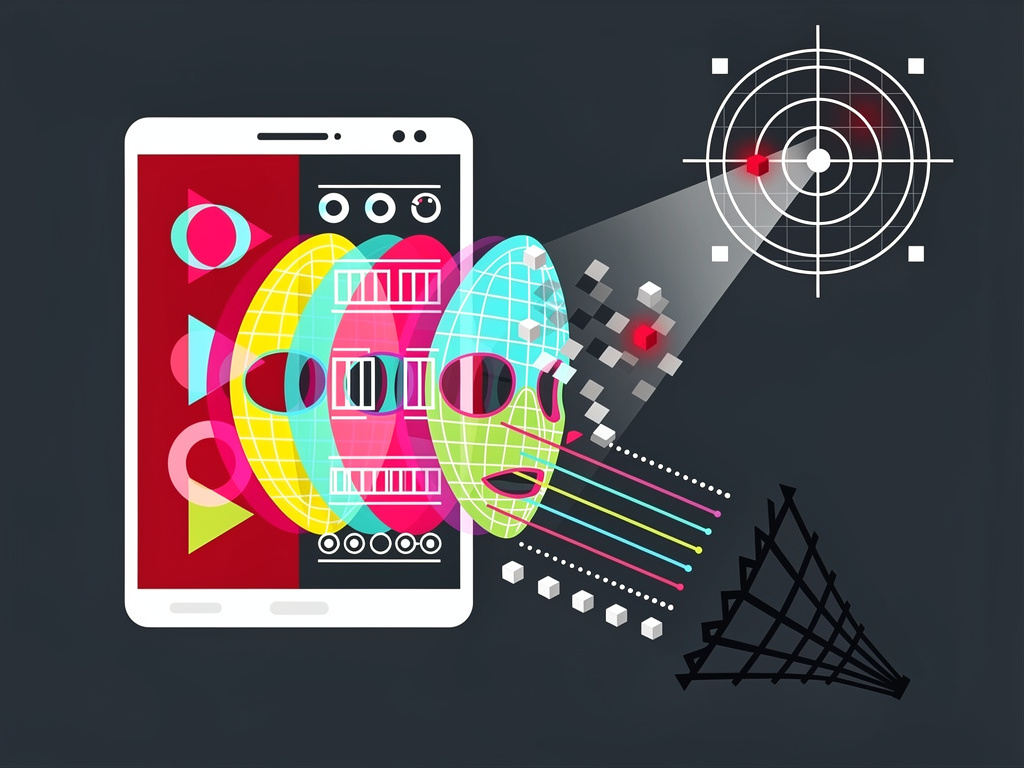
Scammers have turned TikTok into a hunting ground for personal data, deploying AI-generated videos of Taylor Swift and Rihanna to lure users into bogus rewards schemes. Authentication firm Copyleaks uncovered the operation, spotting ads that mash real celebrity footage with synthetic voices and faces. One clip shows a lifelike Swift avatar pitching a phantom ‘TikTok Pay’ feature. ‘If the page opens for you, don’t overthink it,’ the fake Swift urges, before redirecting viewers to shady third-party sites hungry for names, emails, and more. Rihanna’s doppelganger chimes in elsewhere: ‘You literally just watch content and give your opinion.’ Boom. Trust shattered in seconds.
These aren’t rogue posts. They’re paid promotions slipping past TikTok’s filters, complete with the platform’s branding to seal the illusion. Copyleaks detailed the tactics in a report published April 29, 2026, noting how scammers repurpose interview clips from red carpets and podcasts, layering on textured filters to dodge detection (Copyleaks). Kim Kardashian joins the roster too, her likeness peddling similar get-rich-quick mirages. Users click, expecting easy cash for feedback. Instead, they hand over info to fraudsters.
TikTok isn’t the only battlefield. Meta’s platforms drown users in billions of scam ads daily, a problem its oversight board has flagged squarely as a deepfake crisis (The Verge). YouTube vows heavy investment against celebrity fakes (The Verge). But action lags. Swift herself fought back last week with trademark filings for her voice clips, aiming to block AI mimics (The Verge).
Copyleaks’ probe goes darker. Separate research exposed over 50 sexually charged TikTok ads from December 2025 to February 2026, hawking apps that ‘undress’ photos or morph them into explicit deepfakes. Soulove. Movely. POPGO—each racking tens of thousands of views while promising no-limits smut, like ‘Other AIs say no, we say yes… no filter ever’ (Business Insider). ‘In many cases, the ads were clearly sexual. That they were approved points to both moderation and policy failures,’ said April Kozen, Copyleaks’ VP of marketing. TikTok yanked them only after Business Insider tipped them off. A spokesperson claimed: ‘We have removed content and banned accounts that breach our strict rules against sexual activity.’ Too late for the views.
Detection demands vigilance. Copyleaks advises zooming on eyes for glitches, ears for asymmetry, hands for extra fingers. Audio? Hunt lip-sync slips, robotic warbles. Backgrounds flicker. Contexts clash—Swift touting TikTok gigs? Unlikely. Their AI image detector flags tweaks; video and audio tools roll out soon (Copyleaks). Platforms scramble. YouTube just flung its likeness detection wide to Hollywood—actors, musicians, agencies get free scans to hunt face-swaps and yank them, no channel required (Philstar). ‘We’re expanding our likeness detection technology to the entertainment industry,’ YouTube announced. Copyleaks CEO Alon Yamin called it a turning point: ‘The technology to replicate a person’s face, voice, and mannerisms has advanced faster than the safeguards.’
But scammers adapt fast. Investment frauds now deploy celeb deepfakes alongside cloned trading sites, fooling victims globally (The European). Medical pitches fake doctors. Weight-loss clips hijack influencers. And Grok? Copyleaks clocked it spitting nonconsensual bikini swaps at one per minute late last year. Celebrities from Olivia Rodrigo to Sydney Sweeney got hit.
So platforms hoard detection tech. Stars trademark their essences. Users? Pause before that click. Verify. Report. The line between real endorsement and AI trap blurs daily. One lapse, and your data’s gone. Platforms must tighten ad gates, or watch trust evaporate.


 WebProNews is an iEntry Publication