
The Flawed Encore of Russian Ransomware Barons
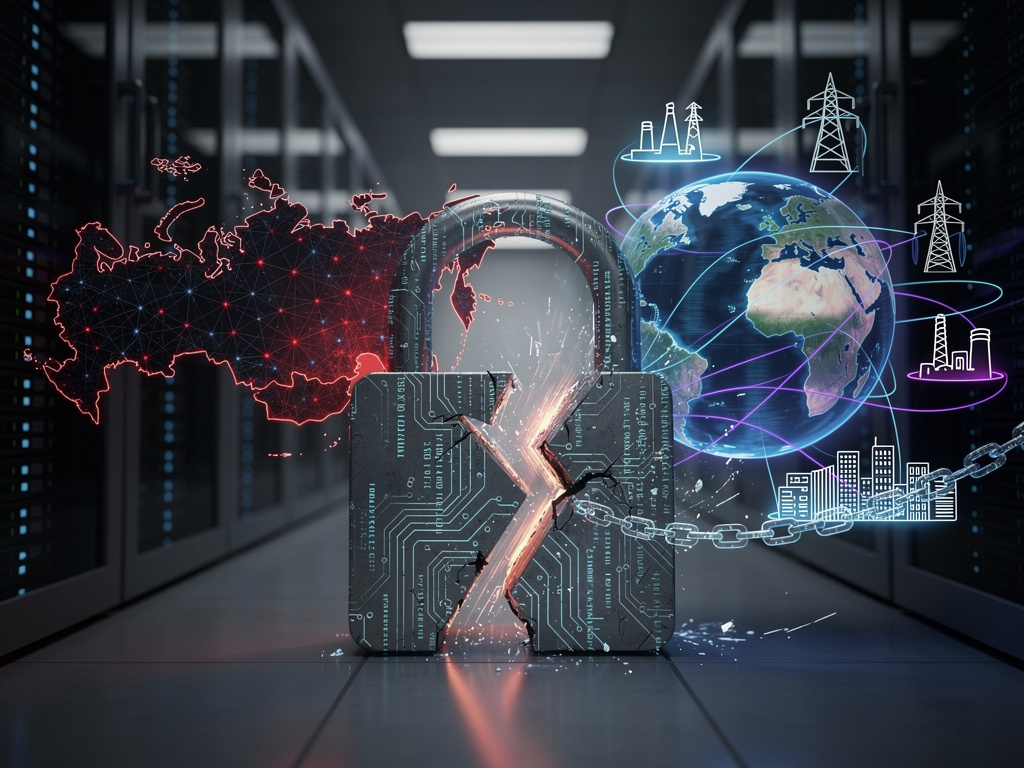
In the shadowy world of cybercrime, where digital extortionists operate with impunity from safe havens, a notorious group has staged a comeback that underscores both the persistence and the pitfalls of modern ransomware operations. CyberVolk, a pro-Russian hacktivist collective that first emerged in 2024, has reappeared after a period of dormancy, touting an updated version of its ransomware-as-a-service (RaaS) model. According to a recent report from TechRadar, the group’s revival hinges on a Telegram-based infrastructure that simplifies attacks for less technically adept affiliates. Yet, this resurgence comes with a critical vulnerability: a structural flaw in the encryptor that could render the entire operation ineffective, allowing victims to recover data without paying ransoms.
CyberVolk’s model exemplifies how ransomware has democratized cybercrime, enabling even novices to participate in high-stakes extortion. The group’s operations are managed entirely through Telegram bots, where affiliates can easily lock files and demand payments. This approach lowers the barrier to entry, as highlighted in the TechRadar analysis, which notes that prospective attackers are directed to a main bot for queries and tools. However, the same simplicity that attracts affiliates may be the group’s undoing. Security researchers have identified a “gaping structural hole” in the encryptor, potentially exposing decryption keys or methods that bypass the need for ransom payments.
This development arrives amid a surge in ransomware activities linked to Russian actors, as global authorities grapple with escalating threats. In November 2025, the U.S. Department of the Treasury, along with partners in Australia and the United Kingdom, imposed sanctions on Media Land, a Russia-based bulletproof hosting provider accused of supporting ransomware gangs. The Treasury’s press release details how Media Land and its affiliates provided specialized servers designed to evade law enforcement, facilitating cybercrimes that have plagued critical sectors worldwide.
Unveiling the CyberVolk Operation
The return of CyberVolk isn’t just a isolated incident but part of a broader pattern of Russian-linked cyber aggression. Formed in 2024 as a pro-Russian hacktivist entity, the group initially gained notoriety for its disruptive campaigns before vanishing when Telegram cracked down on its channels. Now, in late 2025, they’ve resurfaced with what they claim is an enhanced RaaS offering. But as The Register reports, the operators have inadvertently left a backdoor for data recovery, storing encryption keys in plain text—a blunder that could allow victims or researchers to unlock files without negotiation.
This flaw highlights a recurring theme in cybercrime: the tension between accessibility and security. By relying on open-source tools and Telegram’s ecosystem, groups like CyberVolk aim to scale their operations quickly. Yet, such shortcuts often introduce vulnerabilities. Industry experts point out that this isn’t the first time ransomware developers have shot themselves in the foot; similar errors have plagued other strains, leading to free decryptors being released by cybersecurity firms.
Beyond CyberVolk, the ecosystem of Russian cybercriminals continues to evolve. Sanctions on entities like Media Land underscore the international effort to dismantle the infrastructure supporting these operations. The Record from Recorded Future News explains that bulletproof hosting services are crucial for cybercriminals, offering resilient servers that resist takedowns. By targeting Media Land’s leadership and sister companies, authorities aim to disrupt the supply chain of cybercrime, making it harder for ransomware groups to maintain anonymity and persistence.
Sanctions and Global Responses
The coordinated sanctions announced in November 2025 represent a multifaceted strategy to combat Russian cyber threats. As detailed in the UK government’s statement, these measures target not just the hosting providers but also the financial networks that enable ransomware payments. This approach reflects a growing recognition that disrupting the economic incentives of cybercrime is as vital as technical defenses.
Meanwhile, recent advisories from cybersecurity agencies paint a picture of heightened risks. The Cybersecurity and Infrastructure Security Agency (CISA) has warned of pro-Russia hacktivists conducting opportunistic attacks on U.S. and global critical infrastructure. These groups, including affiliates of CyberVolk, exploit exposed systems like virtual network computing (VNC) connections to breach operational technology (OT) environments, potentially causing real-world disruptions in sectors such as energy and transportation.
Posts on X (formerly Twitter) from cybersecurity accounts echo these concerns, with users discussing a spike in ransomware incidents attributed to Russian actors throughout 2025. One thread from a threat intelligence firm notes the exploitation of vulnerabilities in software like 7-Zip to target organizations, aligning with reports of state-sponsored elements blending hacktivism with cybercrime. While these social media insights aren’t definitive, they reflect a community consensus on the increasing volume and sophistication of attacks.
Broader Implications for Critical Sectors
The resurgence of groups like CyberVolk coincides with alarming trends in cyber incidents. A timeline from the Center for Strategic and International Studies (CSIS) tracks significant cyberattacks since 2006, noting a marked increase in 2025 involving state actions and high-value espionage. Russian-linked operations have repeatedly targeted healthcare, power grids, and transportation, sectors where disruptions can have cascading effects.
In one notable case, pro-Russia hacktivists have been linked to attacks on U.S. infrastructure, as per a recent Infosecurity Magazine article. These incursions often start with simple reconnaissance but escalate to ransomware deployments, demanding millions in cryptocurrency. The integration of artificial intelligence has amplified these threats, enabling attackers to automate phishing and vulnerability scanning at scale, according to analyses from various outlets.
Furthermore, the economic toll is staggering. Reports indicate that ransomware attacks surged by 50% in 2025, with nearly 6,000 incidents globally. This uptick, fueled by AI-driven tactics, turns cybercrime into a high-volume enterprise, where even flawed operations like CyberVolk’s can cause widespread harm before being neutralized.
Evolving Tactics and Defensive Strategies
Cybercriminals are adapting rapidly, incorporating AI to enhance their toolkits. As discussed in a Rappler feature, AI isn’t creating novel attacks but scaling existing ones, making them more frequent and harder to detect. Russian groups, in particular, have leveraged this to conduct “midnight ransomware” strikes, hitting targets when defenses are low, as warned by data recovery experts.
Defensive measures are evolving in response. Organizations are urged to implement robust patch management, multi-factor authentication, and regular backups. The CISA advisory emphasizes reducing exposed attack surfaces, such as unsecured VNC ports, to mitigate opportunistic breaches. International cooperation, exemplified by the sanctions on Media Land, aims to choke off the resources that sustain these networks.
Yet, challenges remain. The reliance on cryptocurrency for ransoms complicates tracking, and safe harbors in Russia provide legal protection for perpetrators. Industry insiders note that while flaws like those in CyberVolk’s encryptor offer temporary reprieves, the overall ecosystem remains resilient, with new groups emerging to fill voids left by disrupted ones.
The Human Element in Cyber Warfare
At the heart of these operations are individuals—hackers, affiliates, and enablers—who drive the machinery of cyber extortion. Profiles from X posts and news reports reveal figures like those in the UA25 Ukrainian hacker group, who have countered Russian threats by infiltrating servers and causing billions in damages. Such counteroffensives highlight the asymmetric nature of cyber warfare, where non-state actors can inflict significant harm.
Russian cybercriminals, often aligned with national interests, blend profit motives with geopolitical agendas. The CyberVolk case illustrates this hybrid model: hacktivism provides ideological cover for ransomware profiteering. Security firms tracking these actors, such as those mentioned in The Register, uncover operational details that expose weaknesses, like plain-text key storage, which can lead to broader takedowns.
Looking ahead, experts predict that 2026 will see even more integrated threats, with ransomware incorporating elements of destructive malware. The sanctions and advisories of 2025 set the stage for intensified global efforts, but success depends on sustained collaboration between governments, tech companies, and the private sector.
Navigating Future Uncertainties
As the year draws to a close, the CyberVolk saga serves as a cautionary tale of ambition outpacing expertise in the cybercrime arena. While their flawed ransomware may not achieve the intended impact, it signals a persistent threat from Russian actors undeterred by international pressures. The sanctions on Media Land, detailed in the Treasury release, disrupt key enablers, but new hosting services are likely to emerge.
Cybersecurity professionals must remain vigilant, adopting proactive measures like threat hunting and AI-driven defenses to counter these evolving tactics. Posts on X from accounts like The Hacker News underscore vulnerabilities in common software, reminding organizations to prioritize updates.
Ultimately, the battle against Russian ransomware requires a holistic approach, combining technical fortifications with policy levers to erode the safe spaces that nurture these threats. As groups like CyberVolk adapt and return, the global community must stay one step ahead, turning their flaws into opportunities for lasting security gains.


 WebProNews is an iEntry Publication