
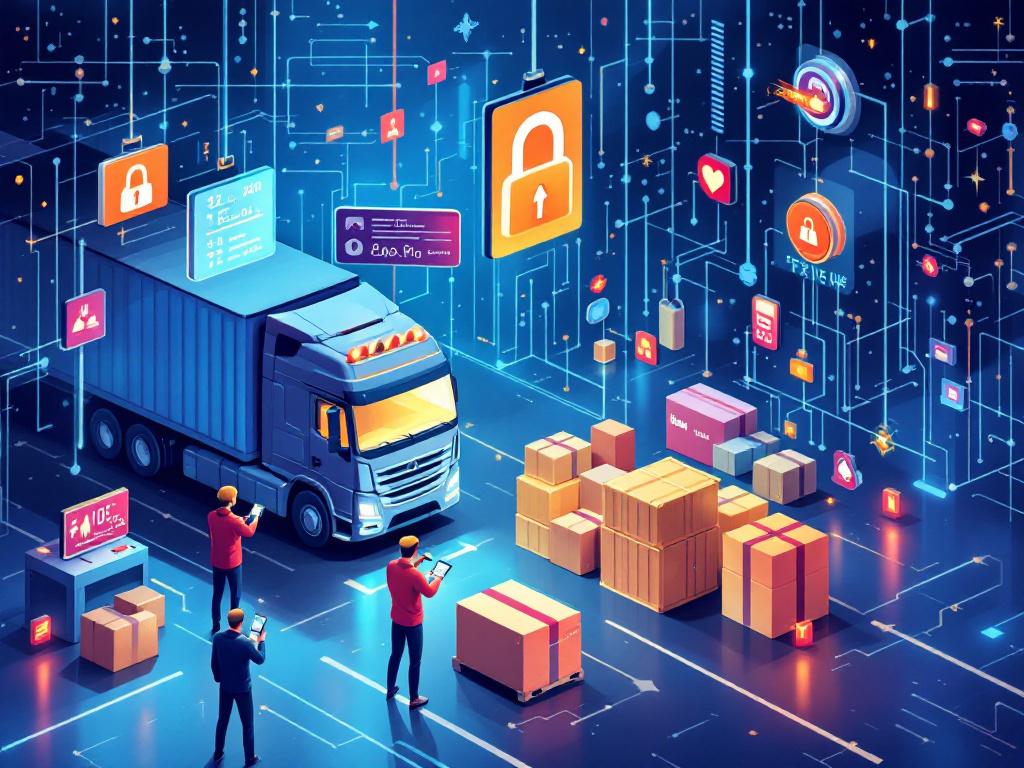
In the shadowy intersection of cybercrime and organized theft, a sophisticated new threat is reshaping the logistics industry. Criminal networks are increasingly partnering with hackers to orchestrate large-scale cargo heists, blending digital intrusions with real-world hijackings. This emerging tactic involves infiltrating trucking companies’ networks to reroute valuable shipments, often food, beverages, or high-tech goods, directly into the hands of thieves. According to recent research, these operations could inflict billions in losses on businesses and consumers alike.
The mechanics of these schemes are intricate. Hackers typically begin by posing as legitimate freight brokers or carriers, using phishing emails and social engineering to gain access to load boards—online platforms where trucking firms post and bid on shipments. Once inside, they deploy malware or exploit remote monitoring tools like ScreenConnect or LogMeIn to manipulate shipment details, redirecting trucks to unauthorized locations where accomplices unload the cargo. This fusion of virtual and physical crime has escalated rapidly, with incidents reported across North America.
Industry experts warn that the vulnerability stems from the sector’s heavy reliance on digital tools for efficiency. Trucking firms, often under pressure to optimize routes and reduce costs, adopt remote access software without robust security measures. This oversight creates entry points for cybercriminals who, in collaboration with street-level crime rings, execute thefts that are both precise and profitable.
The Rise of Hybrid Heists
Proofpoint, a cybersecurity firm, has documented this trend in a November 2025 report, highlighting how financially motivated hackers target trucking and freight entities. By abusing legitimate remote tools, attackers gain persistent access to networks, allowing them to monitor and alter shipment data in real time. For instance, hackers might book a load under a false identity, then reroute the truck mid-journey to a warehouse controlled by their partners.
Bloomberg’s coverage in a November 3, 2025, article details how these campaigns could cost billions, with stolen goods resold on black markets. The report draws on Proofpoint’s findings, noting a surge in attacks against carriers and brokers, where malware provides remote control over operational systems.
Similar insights appear in reports from other outlets. An article in the Insurance Journal on November 3, 2025, echoes these concerns, emphasizing the infiltration of freight companies to steal and fence shipments. These operations often focus on perishable items like food and drinks, which are easy to offload quickly without traceability.
Technological Tactics Exposed
Delving deeper, the methods employed reveal a calculated blend of old-school theft and cutting-edge hacking. Cybercriminals use phishing to deliver payloads that install remote access trojans, granting them oversight of dispatch systems. From there, they can impersonate company personnel, issuing fake pickup instructions or altering GPS coordinates to lead drivers astray.
Transport Topics, in a piece published on November 3, 2025, explains how hackers infect networks with tools for remote access, enabling the rerouting of real-world shipments. This isn’t mere data theft; it’s about commandeering physical assets, with crime rings handling the on-ground execution, such as unloading hijacked trucks.
Claims Journal’s reporting from the same date, available here, underscores the potential economic fallout, projecting billions in damages as these schemes proliferate. The article cites Proofpoint’s research, noting that attackers often target high-value loads, amplifying the financial impact.
Real-World Incidents and Patterns
Recent cases illustrate the growing audacity of these groups. In one documented incident, hackers compromised a logistics firm’s system to divert a shipment of beverages, which was then stolen by accomplices posing as legitimate receivers. Such events have been on the rise, with posts on X (formerly Twitter) from industry watchers like The Hacker News highlighting similar tactics as early as November 2025, where remote-management tools were abused to book and hijack loads.
Tom’s Hardware detailed in a November 3, 2025, article how phishing and social engineering enable the theft of physical freight. The piece describes hackers posing as brokers, deploying malware, and collaborating with organized groups to reroute shipments, often involving food and tech equipment.
Cybersecurity Dive’s analysis on November 3, 2025, reveals that these cybercrime groups team up with traditional organized crime for massive campaigns. By exploiting remote monitoring software, they target trucking firms, leading to thefts that blend digital precision with physical force.
Industry Responses and Vulnerabilities
Trucking companies are scrambling to fortify their defenses amid this uptick. Many are now implementing multi-factor authentication and regular audits of remote access tools, but experts argue these measures lag behind the threat’s evolution. The sector’s fragmented nature—comprising small operators alongside giants—complicates uniform security adoption.
Bloomberg Law’s reporting, which aligns with Bloomberg’s earlier piece, notes on November 3, 2025, the legal ramifications, including potential regulatory crackdowns on unsecured networks. It references the same cybersecurity research, stressing the need for better oversight in freight brokerage.
Startup News FYI, in a fresh update as of December 1, 2025, describes this as a “complex mix of internet access and physical execution,” quoting Cequence Security’s chief information security officer. The article highlights how crime rings enlist hackers specifically for truck hijackings, drawing from ongoing trends.
Broader Implications for Supply Chains
The ripple effects extend beyond immediate losses. Disrupted shipments inflate costs for consumers, as companies pass on expenses from theft and insurance premiums. High-value targets like enterprise servers and crypto mining gear, as mentioned in posts on X from sources like WSJ Pro Cybersecurity, are increasingly at risk, with cybercriminals scouting load boards for lucrative hauls.
Tank Transport’s overview from mid-November 2025, accessible here, provides seven key insights into the surge, including statistics on hijacked freight and industry countermeasures. It notes collaborations between cybercriminals and organized crime, with a focus on 2025’s escalating threats.
NPR’s reporting on November 17, 2025, brings a narrative angle, detailing how hackers lend tech skills to real-life hijackers. Researchers confirm these partnerships enable seamless cargo theft, often without drivers realizing until it’s too late.
Evolving Threats and Future Defenses
As these hybrid crimes evolve, attackers are incorporating advanced techniques like GPS jamming and identity theft of entire companies. X posts from trucking communities, such as American Truckers, have flagged non-citizen involvement in organized rings stealing critical components, with incidents dating back to July 2025 involving signal jammers to evade law enforcement.
The Star’s article from November 4, 2025, mirrors Bloomberg’s findings, warning of billions in potential costs from infiltrated trucking operations. It emphasizes the global nature of these schemes, affecting international supply lines.
Security Affairs, in a November 2025 piece, details how crooks exploit remote management software to target firms, teaming with crime rings for goods like food and beverages. This aligns with broader patterns seen in X discussions, where anonymous truckers describe ecosystems rife with fraud, including chameleon carriers that morph identities to evade detection.
Strategies for Mitigation
To counter this, experts recommend layered defenses: encrypting communications, vetting partners through blockchain-verified identities, and employing AI-driven anomaly detection for load boards. Larger firms are investing in cyber insurance tailored to physical-digital risks, while regulators push for mandatory reporting of breaches in logistics.
Slashdot’s community discussion, stemming from a November 30, 2025, post, aggregates insights from various sources, including Wall Street Journal reports on cybercriminals infiltrating boards for high-value cargo like servers. It underscores the enlistment of hackers by crime rings, fostering debates on preventive tech.
Pure Tech News on X echoed this on December 1, 2025, linking to broader cybersecurity threats in supply chains. As the industry adapts, collaboration between tech firms, law enforcement, and trucking associations will be crucial to dismantle these networks before they dominate global freight routes.
Lessons from Recent Cases
Examining specific arrests provides valuable lessons. In Brampton, Ontario, incidents reported on X by users like Nate detail thefts of semi-trucks and containers, part of a trend involving fraud rings. A February 2025 case saw charges for $1.5 million in fraud, highlighting the scale.
Crime Net’s older posts show thieves disabling cameras before vehicle thefts, a tactic now amplified by hacking. WSJ’s in-depth coverage, referenced across platforms, reveals infiltration of load boards for stealing tech gear, with a November 25, 2025, article noting enterprise servers as prime targets.
Seccuri and Aletheia’s X shares reinforce this, pointing to WSJ for details on how these rings operate. As 2025 closes, the convergence of cyber and physical crime demands proactive vigilance to safeguard the arteries of commerce.


 WebProNews is an iEntry Publication