
The release of COSMIC Epoch 1.2 marks a significant step forward for the desktop environment developed by System76. This update brings a collection of refinements and new capabilities to the Rust-written interface that powers the company’s Pop!_OS distribution while remaining available for other Linux users. According to the announcement on Phoronix, the version focuses on stability improvements, expanded hardware support, and thoughtful adjustments to the user interface that address feedback from earlier builds.
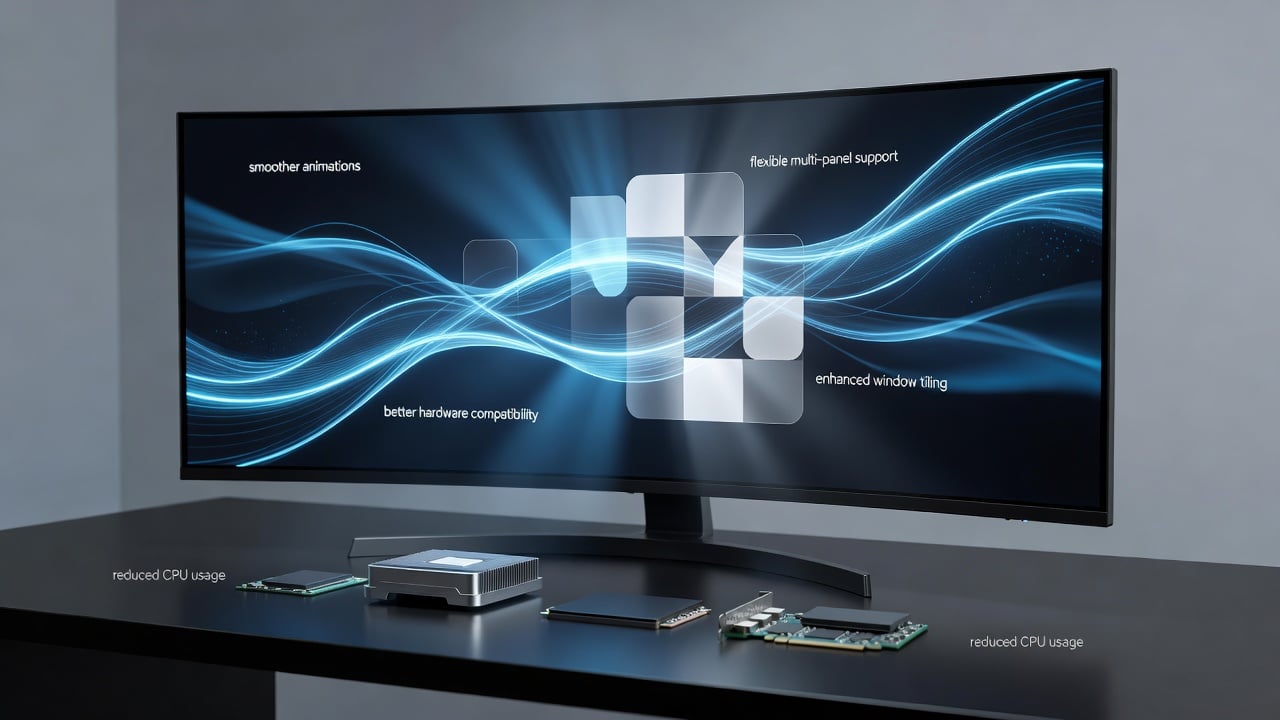
COSMIC stands apart from traditional Linux desktops through its foundation in the Iced GUI toolkit and its complete rewrite in Rust. This architectural choice prioritizes memory safety and performance, allowing the desktop to handle complex graphical operations without the crashes sometimes associated with older C-based environments. Epoch 1.2 builds on that foundation by introducing smoother animations, more responsive window management, and better integration with modern hardware components.
One of the most visible changes involves the panel and applet system. Users can now arrange applets with greater flexibility, including the ability to create multiple panels on different edges of the screen. The update adds support for vertical panels, which many users requested after testing the initial Epoch releases. Clock, system tray, and workspace switcher applets received polish that makes them feel more consistent with the overall aesthetic. The notification center also benefits from layout adjustments that prevent overlapping elements when multiple alerts arrive simultaneously.
Window management received particular attention in this release. The tiling engine now handles mixed orientation workspaces more gracefully, automatically adjusting layouts when users rotate external monitors. Floating windows gain improved shadow rendering and better focus indication, making it easier to distinguish the active window at a glance. Keyboard-driven resizing and movement commands execute with lower latency, which should please power users who prefer to keep their hands away from the mouse. The update also fixes several edge cases where windows would lose their saved positions after display configuration changes.
Performance optimizations appear throughout the codebase. System76 engineers reduced CPU usage during idle states by implementing more efficient redraw logic in the compositor. This change leads to measurable improvements in battery life on laptops, an area where Linux desktops have historically struggled compared to Windows or macOS. The GPU acceleration path for rendering received tuning that eliminates occasional stuttering during application launches. Users with high-refresh-rate displays will notice smoother cursor movement and more fluid transitions between workspaces.
Hardware compatibility expanded in several directions. The release adds better support for newer AMD graphics cards through updated Mesa integration, allowing features like variable refresh rate to function without manual configuration. NVIDIA users benefit from improved handling of proprietary drivers, particularly in multi-monitor setups where PRIME offloading sometimes caused flickering in previous versions. The desktop now correctly detects and configures ultrawide monitors with aspect ratios beyond 21:9, addressing a complaint that appeared frequently in community forums.
Accessibility features gained ground as well. The magnifier tool received new zoom levels and smoother following behavior that tracks the mouse pointer without jitter. High contrast themes received additional color adjustments to meet WCAG guidelines more closely. Screen reader integration with Orca improved through better exposure of desktop elements via AT-SPI. These changes reflect System76’s commitment to making Linux viable for a broader audience beyond technical enthusiasts.
The settings application underwent a comprehensive review. Categories now load faster and present options in a more logical hierarchy. The display panel gained granular controls for each connected monitor, including individual scaling factors and rotation settings. Users can now configure different color profiles per display, which benefits creative professionals working with multiple screens. Power management options expanded to include more granular suspend and hibernate behaviors, allowing users to fine-tune their systems for either maximum battery conservation or instant resume times.
Application integration received several enhancements. The COSMIC file manager now supports asynchronous thumbnail generation, preventing the interface from freezing when browsing directories containing many images. The terminal emulator gained better support for true color escape sequences and improved font rendering at small sizes. Text editor components throughout the desktop adopted more sophisticated syntax highlighting that responds to system theme changes without requiring application restarts.
Behind the scenes, the development team addressed numerous stability issues. Memory leaks that appeared during prolonged sessions with many open applications have been eliminated. The session manager now recovers more gracefully from crashes in individual components, preserving open windows and their states. Error reporting mechanisms provide more actionable information to both users and developers when problems occur. These improvements should reduce the frequency of complete session restarts that frustrated some early adopters.
The update maintains COSMIC’s distinctive visual language while refining its details. Rounded corners received subtle adjustments that feel more natural across different element sizes. The blur effect behind panels and menus uses less resources while maintaining visual appeal. Icon spacing and typography received micro-adjustments that improve readability without altering the overall modern appearance that defines the desktop.
Community involvement played a substantial role in shaping Epoch 1.2. System76 actively solicited feedback through their GitHub repositories and Discord channels, then prioritized issues that appeared most frequently. The company maintains a public roadmap that shows ongoing work toward Epoch 2, which promises even more substantial changes including a new theming engine and improved Wayland protocol support. The current release serves as a bridge between the experimental early versions and the more polished experience planned for the future.
For users considering a switch to COSMIC, Epoch 1.2 offers a compelling option. The desktop combines the customizability Linux users expect with a coherent design philosophy that avoids the fragmentation sometimes found in other environments. Installation remains straightforward on Pop!_OS, while users of other distributions can add the necessary packages through community repositories. The relatively modest system requirements make the desktop suitable for older hardware as well as the latest machines.
Developers working on Linux applications will find improved integration points for their software. The COSMIC protocol extensions provide standardized ways to request specific window behaviors and integrate with the system tray. Documentation for these interfaces continues to expand, making it easier for third-party applications to feel like native citizens of the desktop rather than afterthoughts.
Looking ahead, the momentum behind COSMIC suggests continued rapid progress. System76 has demonstrated their ability to deliver regular updates that respond to user needs while maintaining architectural integrity. The decision to build everything in Rust has paid dividends in terms of stability, allowing the team to focus on features rather than chasing elusive bugs. As more users adopt the desktop and provide feedback, the refinements will likely accelerate.
This release demonstrates that a small, focused team can create a competitive desktop environment that stands alongside established options like GNOME and KDE. By concentrating on quality over quantity of features, System76 has produced an interface that feels intentional and polished. The improvements in Epoch 1.2 address real user pain points while introducing capabilities that expand what users can accomplish with their Linux systems.
The combination of technical excellence and attention to user experience positions COSMIC as a serious contender in the Linux desktop space. Users who value consistency, performance, and modern design principles will find much to appreciate in this update. As development continues, the desktop environment should only grow more capable while retaining the clean aesthetic that first attracted attention to the project. The path forward looks promising for both the developers and the growing community of users who have embraced this ambitious effort to create something new in an established field.


 WebProNews is an iEntry Publication