
In the ever-evolving realm of open-source firmware, the release of Coreboot 25.12 marks a significant milestone, blending incremental enhancements with bold strides toward broader hardware compatibility. Announced just before the end of 2025, this quarterly update from the Coreboot project underscores the community’s relentless push to liberate computing devices from proprietary BIOS constraints. Drawing from the official announcement on the coreboot blog, the release incorporates over 750 commits from more than 110 contributors, including many first-timers, highlighting the collaborative spirit that drives this initiative.
At its core, Coreboot serves as a lightweight, open-source alternative to traditional firmware, booting systems quickly while emphasizing security and customization. This version builds on previous releases like 25.09, which added support for 19 additional motherboards, as detailed in a report from Phoronix. For industry professionals tracking firmware trends, 25.12 introduces proof-of-concept support for cutting-edge processors, signaling potential shifts in how open firmware integrates with high-performance computing.
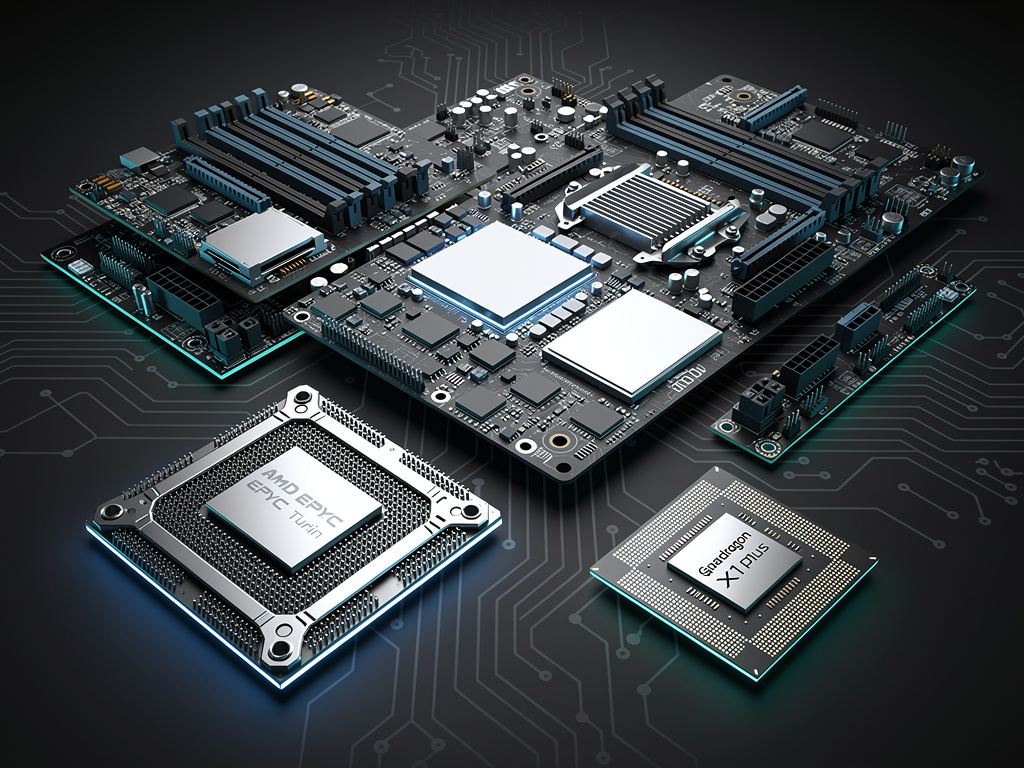
Beyond mere updates, the release addresses longstanding challenges in firmware development, such as improving boot times and enhancing driver compatibility. Contributors focused on refining the codebase, with key additions like support for Qualcomm’s Snapdragon X1 Plus platform, which could open doors for more Arm-based devices in the Coreboot ecosystem. This move aligns with broader industry efforts to diversify beyond x86 architectures, as seen in recent discussions on platforms like X, where developers have expressed enthusiasm for expanded Arm capabilities.
Advancements in Processor Support
One of the standout features in Coreboot 25.12 is the preliminary backing for AMD’s EPYC 9005 “Turin” processors, described as a proof-of-concept in the Phoronix coverage. This development is particularly noteworthy for server administrators and data center operators, as Turin represents AMD’s latest in high-core-count silicon, promising efficiency gains in enterprise environments. While not yet production-ready, this PoC lays groundwork for future integrations, potentially accelerating adoption in cloud infrastructure where open firmware can reduce vendor lock-in.
The release also bolsters tools like amdfwtool, which has seen improvements for handling AMD’s firmware blobs more effectively. According to the coreboot blog announcement, these tweaks enhance performance on AMD platforms, including better handling of memory initialization and power management. For insiders, this means fewer headaches when deploying Coreboot on Ryzen or EPYC systems, a pain point in earlier versions.
Community sentiment on X reflects optimism about these changes, with posts highlighting how such updates could influence custom server builds. Developers have noted that the Turin support, though experimental, positions Coreboot as a viable option for next-generation AMD hardware, especially as the company advances its openSIL initiative for Zen 6 processors.
Enhancements to Core Functionality
Diving deeper, Coreboot 25.12 refines its payload ecosystem, with updates to popular options like SeaBIOS and GRUB, ensuring smoother transitions to operating systems. The release notes emphasize optimizations in the boot process, reducing latency on supported hardware—a critical factor for embedded systems and IoT devices. This builds on the 25.06 release, which incorporated nearly 900 commits, as outlined in another coreboot blog post, showing a consistent trajectory of improvement.
Security remains a focal point, with patches addressing vulnerabilities in memory handling and firmware verification. For those in cybersecurity roles, these updates align with industry standards, incorporating elements from projects like Heads and Libreboot, which derive from Coreboot for even stricter open-source purity. Recent news from gHacks Tech News on related open-source efforts, such as postmarketOS 25.12, underscores how firmware advancements feed into mobile and edge computing ecosystems.
Moreover, the release expands motherboard support, adding compatibility for several new models, including those from niche vendors. This incremental growth, detailed in Phoronix’s overview, brings the total supported platforms to an impressive array, catering to enthusiasts and professionals alike who seek to flash custom firmware on laptops, desktops, and servers.
Community Contributions and Collaboration
The human element shines through in Coreboot 25.12, with over 110 contributors driving the changes. The coreboot blog highlights that numerous first-time authors participated, a testament to the project’s inclusive approach. This influx of fresh talent has led to diverse improvements, from bug fixes in ACPI tables to enhanced documentation, making the codebase more accessible for newcomers.
Industry observers might note parallels with other open-source projects, such as the Rust-based rewrites in Ubuntu 25.10, as mentioned in posts on X from users like sysxplore. These trends suggest a broader movement toward modernizing core system components, with Coreboot benefiting from similar cross-pollination. For developers, this means easier integration with tools like Git, where the main branch remains the recommended path for cutting-edge work, per the coreboot downloads page.
Collaboration extends to hardware partners, with Qualcomm’s involvement in the X1 Plus support indicating growing corporate interest. Phoronix reports that this could pave the way for more Snapdragon-powered devices, potentially disrupting the dominance of Intel and AMD in open firmware spaces.
Implications for Hardware Ecosystems
Looking at the bigger picture, Coreboot 25.12’s Arm expansions could influence sectors like mobile computing and automotive systems, where proprietary firmware often stifles innovation. The Qualcomm X1 Plus integration, while nascent, mirrors efforts in projects like postmarketOS, which recently added device support in its 25.12 update, as covered by gHacks Tech News. This synergy highlights how open firmware can enable longer device lifecycles by allowing custom OS installations.
On the AMD front, the Turin PoC arrives amid excitement for openSIL’s production status, potentially leading to widespread Coreboot adoption in enterprise hardware. Industry insiders tracking server trends will appreciate how this reduces dependency on closed-source blobs, enhancing auditability and security in critical infrastructure.
Furthermore, the release’s focus on performance tweaks, such as optimized RAM training, addresses real-world bottlenecks. Drawing from the 25.03 release, which supported 22 more motherboards according to Phoronix’s earlier report, it’s clear that Coreboot is methodically expanding its footprint, one board at a time.
Future Directions and Challenges
As Coreboot evolves, challenges like binary blob dependencies persist, though the project continues to minimize them. The 25.12 update includes refinements to tools for managing these elements, fostering a path toward fully open systems. Posts on X from sources like Phoronix echo community calls for more vendor cooperation, especially from chipmakers like AMD and Qualcomm.
Looking ahead, the quarterly release cycle ensures steady progress, with 25.12 setting the stage for 2026 innovations. For example, enhanced support for emerging architectures could integrate with AI-driven workloads, where fast boot times are paramount.
Insiders should watch for downstream projects like NovaCustom’s laptops, which feature Coreboot on modern Intel hardware, as noted in their product page. These real-world applications demonstrate Coreboot’s practical impact beyond code repositories.
Broader Industry Resonance
The ripple effects of Coreboot 25.12 extend to software ecosystems, influencing distributions that prioritize open firmware. Recent updates in AMD’s Adrenalin drivers, as reported in Technetbook, show complementary advancements in graphics support, which could pair well with Coreboot’s AMD enhancements.
In regulatory contexts, open firmware aligns with growing demands for transparency in tech supply chains. Professionals in policy and compliance might see this release as a step toward mitigating risks in proprietary systems, especially in sectors like healthcare and finance.
Ultimately, Coreboot 25.12 embodies the project’s ethos of empowerment, offering tools for users to reclaim control over their hardware. As contributions continue to pour in, the firmware arena grows more dynamic, promising exciting developments for those invested in open-source foundations.
Sustaining Momentum in Open Firmware
Maintaining this momentum requires ongoing community engagement, with events like hackathons and conferences fostering innovation. The coreboot blog’s release notes encourage participation, inviting more developers to tackle unresolved issues like full blob-free support for newer chipsets.
Comparisons to other initiatives, such as BookStack’s 25.12 update mentioned in posts on X from AlternativeTo, illustrate how version numbering coincidences highlight a vibrant open-source season. Yet, Coreboot stands out for its hardware-centric focus.
For enterprise adopters, the release’s stability improvements mean reduced downtime, a key metric in IT operations. Phoronix’s coverage emphasizes this reliability, positioning 25.12 as a solid base for production environments.
Strategic Outlook for Developers
Strategically, developers can leverage 25.12’s git repository for custom builds, experimenting with the new features on supported platforms. The emphasis on first-time contributors suggests a welcoming environment for those entering firmware development.
Integration with tools like the updated amdfwtool offers practical benefits, streamlining workflows for AMD-centric projects. As X posts from Opennet.ru News indicate, global awareness of Coreboot is rising, with translations and discussions amplifying its reach.
In essence, Coreboot 25.12 not only refines existing capabilities but also charts a course for inclusive, high-performance firmware, benefiting a wide swath of the tech community.


 WebProNews is an iEntry Publication