
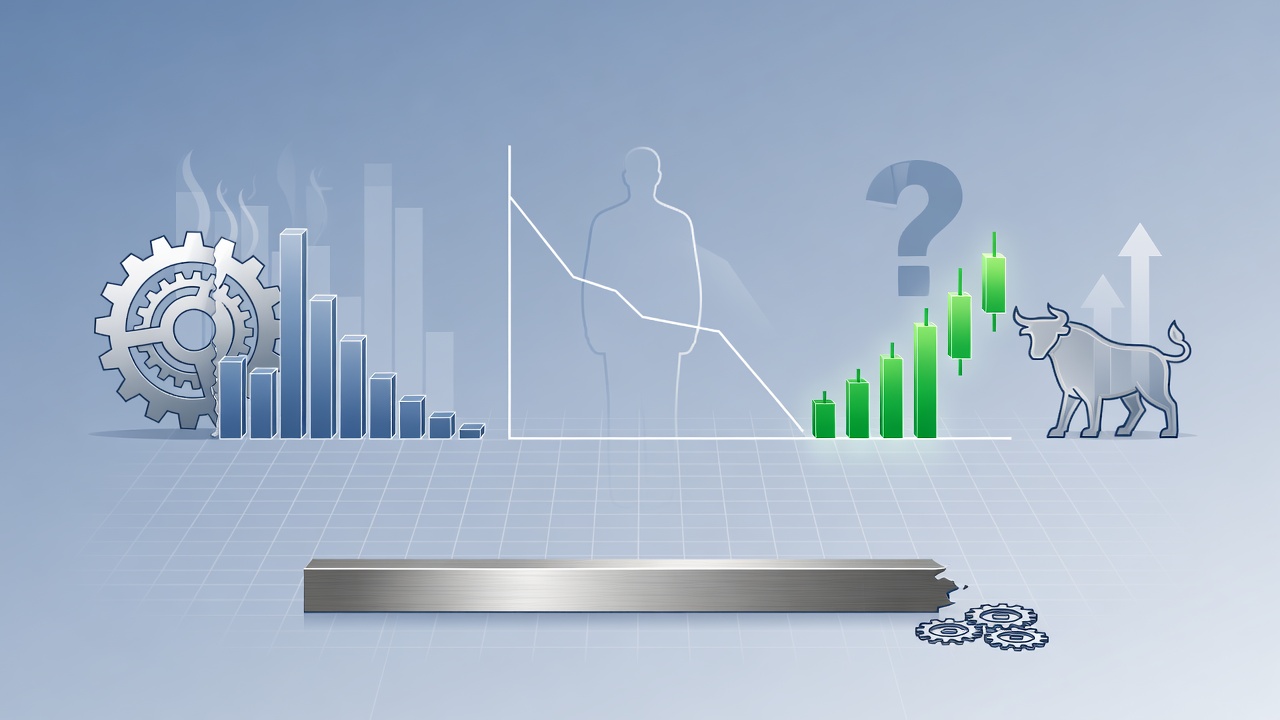
The numbers landed with a thud. U.S. employers added just 57,000 jobs in June. That fell well short of the 115,000 economists had forecast. Revisions to prior months subtracted another 74,000 positions. The unemployment rate edged down to 4.2 percent. Yet the drop came not from new hires but from 720,000 people leaving the labor force. Participation slid to 61.5 percent, its lowest since March 2021.
Markets reacted in familiar fashion. Stocks opened higher then gave back gains. The dollar weakened. Two-year Treasury yields slipped. Traders quickly dialed back bets on a Federal Reserve rate hike as soon as September. Reuters captured the mood: this tepid report offered relief for equities just as investors feared excessive labor strength might push policymakers toward a more hawkish stance. “This jobs report lets anyone concerned about an imminent Fed hike to breathe a sigh of relief,” said Adam Sarhan, chief executive of 50 Park Investments in New York. “It doesn’t mean the fear of inflation is over. It just takes the pressure off the Fed to raise rates in the short term.”
And yet. The labor market has shown remarkable resilience through tariff uncertainty, sticky prices, and shifting global tensions. Earlier in 2026, stronger-than-expected payrolls had Goldman Sachs pushing its first rate-cut forecast all the way to 2027. That call followed a robust May report that pointed to renewed strength. June flipped the script. Private education and health services added 69,000 positions. Professional and business services gained 36,000. Leisure and hospitality shed 61,000. Government added a modest 8,000. Overall, the picture looks stable but stalled. An unmoving tide, in the words of Indeed Hiring Lab analysts who noted hiring near 2015 levels despite a much larger workforce.
Fed officials have watched these swings closely. At the June meeting, policymakers kept the benchmark rate anchored between 3.5 percent and 3.75 percent. New Chair Kevin Warsh described the jobs picture as “steady” while stressing the need to drive inflation back to 2 percent. No preset path. No rush to ease or tighten. The latest data reinforces that flexibility. Average hourly earnings rose 0.3 percent in June and 3.5 percent from a year earlier. In line with expectations. Not the kind of wage acceleration that would alarm inflation hawks. Household employment, meanwhile, fell 507,000. A reminder that the establishment survey and household survey often tell different stories in any given month.
Wall Street took note. The Dow climbed to a record close even as the Nasdaq gave ground. Investors appeared to conclude that slower hiring reduces the odds of an imminent policy tightening. The Wall Street Journal reported the blue-chip average rallied after the report pointed to slower labor-market growth. Bond traders pushed out expectations for higher rates. Yet many economists still see little chance of an actual hike this year. That gap between market pricing and consensus forecasts leaves room for further adjustment in coming weeks.
History offers context. The labor market has cooled gradually since the post-pandemic surge. Job openings have declined. Layoffs remain low. Separations and hires have stayed subdued. Indeed’s analysis highlights the risk: if separations pick up or hiring accelerates modestly, the tide could turn quickly. For now, the market sits in slack water. Secure for those already employed. Challenging for job seekers. The Fed gains time to assess whether this softening is temporary or the start of something more sustained.
Technology stocks, which powered much of this year’s equity rally, stand to benefit most from any delay in rate hikes. Lower borrowing costs support long-duration growth assets. Anshul Sharma, chief investment officer at Savvy Wealth, put it plainly. A consistent pattern of moderating labor conditions paired with easing inflation would reinforce the case for a more accommodative central bank. That outlook supports current equity valuations, particularly in sectors focused on future expansion. Mark Hackett, chief market strategist at Nationwide, added that further softening in rate-hike expectations would shift sentiment toward a clear risk-on posture.
Of course, one month never tells the whole story. Data volatility has been high. Revisions have been large. The Bureau of Labor Statistics itself has cautioned against reading too much into any single release. Second-quarter earnings season, now underway, may prove more influential for stock prices than any jobs print. Strong corporate results could sustain lofty valuations even if the labor market continues to moderate.
Still, the June figures buy policymakers breathing room. They ease fears that the economy is running too hot. They reduce immediate pressure to tighten policy amid lingering inflation concerns tied to tariffs and energy prices. And they keep rate cuts on the table later in the year should the slowdown deepen. Seema Shah, chief global strategist at Principal Asset Management, noted the slowdown challenges perceptions of labor-market strength but removes any urgency for the Fed to act aggressively.
Participants on X echoed the sentiment in real time. One crypto-focused account highlighted Bitcoin’s rebound on the weak data, calling it a textbook “bad news is good news” reaction. Traders pared hike probabilities. Equity strategists breathed easier. The labor market has not collapsed. It has simply paused its earlier sprint. For the Federal Reserve, that pause creates space to observe, calibrate, and avoid overreacting to either strength or weakness.
Looking ahead, attention turns to July’s report, upcoming inflation readings, and the central bank’s late-July meeting. If hiring remains subdued without a sharp rise in unemployment, officials can afford to stay patient. The data suggest balance rather than alarm. Stable but not accelerating. Cooling without breaking. Exactly the kind of environment that lets both the Fed and financial markets operate with a bit more time on their side.


 WebProNews is an iEntry Publication