
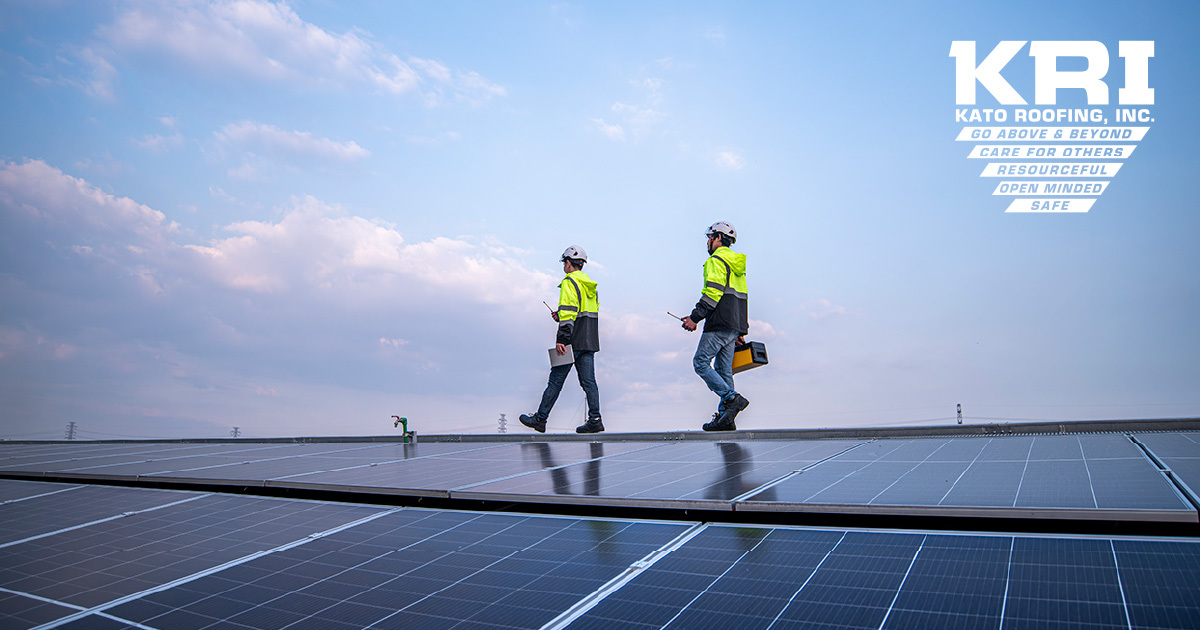
With increasingly volatile market conditions, many roof developers see the price of replacing a commercial roof to be unexpectedly high, largely because the total cost depends on several variables. There are a range of lesser-known factors that are often overlooked but can drastically affect the total cost of commercial roofing over time,
The most immediate cost considerations are the size of the building and the materials used to construct the roof. Commercial structures vary widely in size and the cost per square foot typically falls between $6 and $24 per square foot. As square footage increases, so does the total expense, therefore larger scale projects naturally will have the highest price tags. Additionally, especially in a market where prices have been anything but stable, construction materials have experienced widespread cost increases. This affects both standard material options like asphalt and metal as well as specialty choices such as slate. These fluctuations in price can quickly expand a project’s budget, making it essential to account for these shifts and specific project needs in the planning phase.
Beyond size and materials, the quality of the roof installation critical. This is largely because it is one of the most overlooked factors in roofing. Many developers feel pressure to cut corners when it comes to installation, either through staffing cuts or a rushed job due to external pressures to complete the project. However, a poorly installed roof can lead to leaks, structural damage and even safety concerns. When tragedy strikes, reparations and repairs can be expensive. This is why it is imperative to address these issues proactively, as reactive repairs often cost far more than ensuring proper workmanship from the outset.
Another element is the need to meet industry-specific standards. Many types of facilities ar built to serve specific purposes and come with their own unique set of requirements that dictate roofing design and material choices. For instance, buildings that are meant to be restaurants may need fire-resistant materials that can withstand grease exposure, while healthcare facilities often require roofing that help with ventilation and sanitation needs. These specialized demands can add complexity and cost to a project, however, are important for the building to remain compliant with legal and regulatory requirements.
Maintenance also plays a major role in determining the long-term expense of a commercial roof. Regular inspections and basic upkeep can extend the life of the roof and prevent small problems from becoming major problems. In contrast, neglected roofs tend to present more severe issues over time, leading to higher repair costs and reduced structural and functional reliability.
Ultimately, managing the cost of a commercial roof replacement requires looking beyond surface-level factors. Workmanship quality, maintenance practices, regulatory requirements, and even insurance implications all have the power to contribute to the overall price of the roof during installation and over time. Approaching a roofing project with a long-term mindset is the most important step. Roofers must prioritize durability, careful planning and execution and most importantly safety. These considerations will directly help to control costs while ensuring a better overall outcome over time for the developers, the roofs and the people who live, work and operate underneath them.

Source: Kato Roofing


 WebProNews is an iEntry Publication