
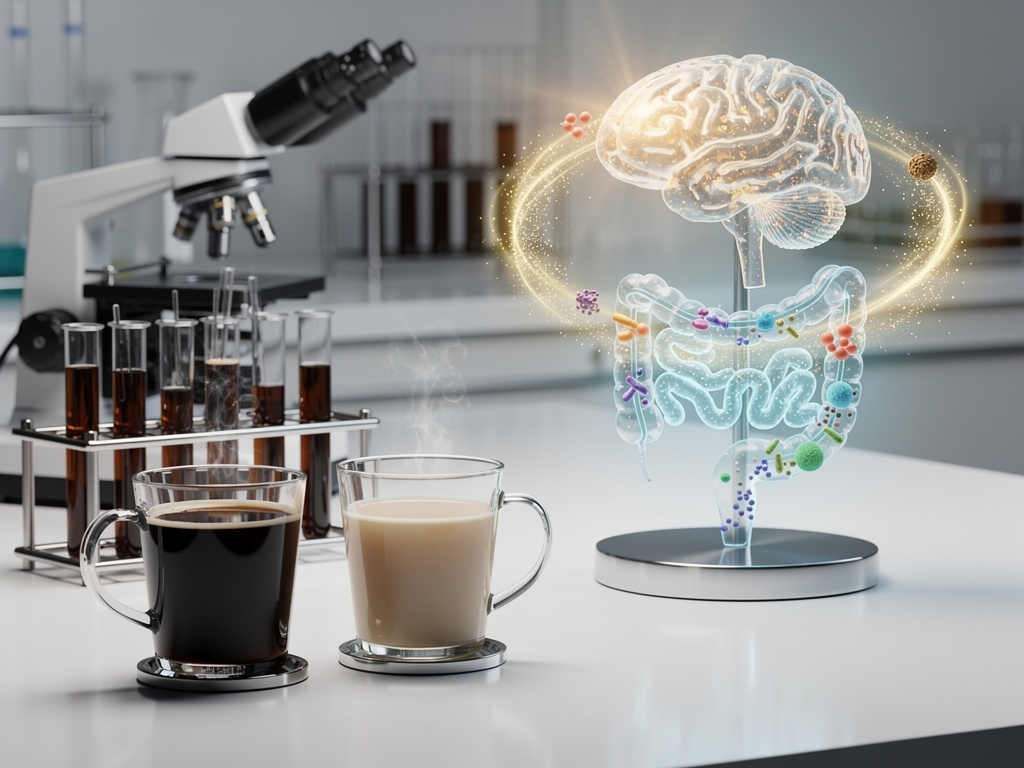
Regular coffee drinkers reshape their gut microbiome in ways that sharpen mood, ease stress, and boost cognition. A fresh study from University College Cork lays it bare. Both caffeinated and decaf versions trigger these shifts. Polyphenols—not just caffeine—drive the changes.
Researchers tracked 31 coffee drinkers, averaging 3-5 cups daily, against 31 non-drinkers. They abstained participants from coffee for two weeks. Stool and urine samples revealed stark metabolite differences. Reintroducing coffee blindly—half caffeinated, half decaf—sparked quick reversals. Mood lifted. Stress dropped. Memory improved.
Decaf stood out for learning and memory gains. Caffeinated versions cut anxiety, heightened alertness, and curbed inflammation risks. Bacteria like Eggerthella sp. and Cryptobacterium curtum surged in drinkers. These microbes aid bile acid production, fend off infections, and tie to positive emotions, especially in women. Firmicutes levels rose too.
Professor John F. Cryan, principal investigator at APC Microbiome Ireland, sums it up: “Coffee is more than just caffeine—it’s a complex dietary factor that interacts with our gut microbes, our metabolism, and even our emotional well-being.” His team published in Nature Communications (DOI: 10.1038/s41467-026-71264-8), as reported by ScienceDaily on May 3, 2026.
The findings challenge old views. Coffee doesn’t just jolt you awake. It reprograms the microbiota-gut-brain axis. Abstinence alone altered metabolites, hinting at withdrawal’s microbial roots. Reintroduction restored balance fast.
Distinct Paths: Caffeine vs. Polyphenols
Caffeine handles the acute hits—attention spikes, anxiety dips. Non-caffeine compounds, like polyphenols, tackle cognition long-term. Decaf’s memory edge points there. These plant chemicals feed beneficial bugs, yielding anti-inflammatory byproducts.
But why now? Public fixation on gut health surges. Mental links grow clearer. Cryan notes: “Our findings reveal the microbiome and neurological responses to coffee, as well as their potential long-term benefits for a healthier microbiome. Coffee may modify what microbes do collectively, and what metabolites they use.”
Trials used psychological tests, diet logs, and emotional tracking. No major confounders skewed results. Yet limits persist. Sample size: 62 total. All moderate drinkers. Heavy users? Unknown. Long-term effects? Need more data.
Industry watches closely. Coffee giants tout health halos. This adds science. Polyphenol-rich brews could target brain benefits. Decaf sales might climb among cognitive seekers.
And broader diet fits in. Coffee as intervention? Cryan sees it: “As the public continues to think about dietary changes for the right digestive balance, coffee has the potential to also be harnessed as a further intervention as part of a healthy balanced diet.” From UCC’s presser, here.
Recent buzz echoes. A ScienceDaily piece from April 8 flags quantum data loss fixes—unrelated, but shows science’s pace. On X, no fresh coffee-gut chatter post-May 3. Focus stays on this UCC breakthrough.
Path to Everyday Use—and Cautions
Implications ripple. Depression dips. Impulsivity fades. Inflammation markers fall. All via gut tweaks. But not universal. Genetics matter. Women showed stronger Firmicutes-emotion links.
So, pour another cup? Moderation rules—3-5 daily, per EU safety nods. Overdo it, risks mount: jitters, sleep hits. This study spotlights benefits. It doesn’t greenlight excess.
Future work? Larger cohorts. Longitudinal scans. Disease links—Alzheimer’s? IBS? Polyphenols already eyed for neuroprotection. Coffee’s brew adds heft.
One fragment hits hard: Gut microbes as mood puppeteers.
Professionals in pharma, nutrition, brew tech take note. Formulations could shift. Precision diets emerge. Coffee evolves from vice to vector.


 WebProNews is an iEntry Publication