
Bots Take Over: Inside Cloudflare’s Alarming 2025 Internet Traffic Explosion
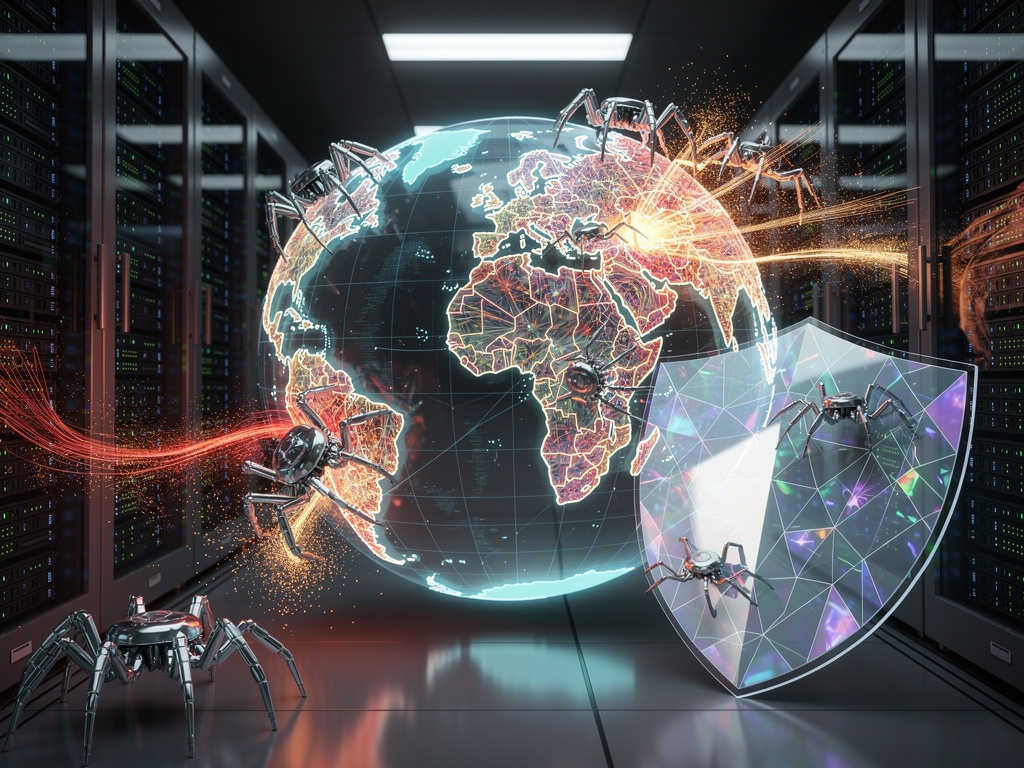
The internet in 2025 wasn’t just bigger—it was busier, more automated, and increasingly under siege. According to a fresh report from Cloudflare, global web traffic swelled by 19% compared to the previous year, marking a significant uptick in digital activity worldwide. But beneath this growth lurks a startling reality: a substantial portion of that surge came not from human users, but from bots—automated scripts crawling the web for data, often with volatile intentions. This revelation, detailed in Cloudflare’s annual Radar Year in Review, paints a picture of an online world where machines are outpacing people in sheer volume.
Cloudflare, a major player in web security and performance, processes a vast swath of global internet requests, giving it a unique vantage point on these trends. The company’s data shows that while human-driven traffic remains dominant, bots accounted for a hefty chunk of the increase, driven largely by AI-related scraping and crawling. This isn’t just idle automation; it’s a battleground where website owners are deploying sophisticated defenses to stem the tide of unwanted visitors. As platforms grapple with this “volatile crawling activity,” the implications ripple across industries, from e-commerce to content creation.
The report highlights how bots have evolved, becoming more aggressive and harder to detect. For instance, AI models hungry for training data have fueled a spike in scraping attempts, with some bots mimicking human behavior to evade blocks. This shift has forced site operators to innovate, implementing tools like rate limiting and CAPTCHA challenges to protect their resources. Yet, as Cloudflare notes, the cat-and-mouse game continues, with bots adapting just as quickly as defenses improve.
The Rise of Automated Traffic
Delving deeper, Cloudflare’s findings reveal that bot traffic isn’t uniformly distributed. Certain sectors, like social media and news sites, bore the brunt of this automated onslaught, where crawlers seek fresh content to feed algorithms. The report quantifies this: in 2025, bots made up a notable percentage of overall requests, contributing significantly to the 19% growth figure. This isn’t mere noise; it’s a fundamental change in how the web operates, with implications for bandwidth costs and server loads.
Cross-referencing with other sources underscores the scale. A piece from The Register notes that mobile traffic now comprises nearly half of all requests, intersecting with bot trends as automated agents increasingly emulate mobile browsers. This convergence amplifies the challenge, as distinguishing legitimate mobile users from bots becomes trickier. Meanwhile, posts on X (formerly Twitter) echo this sentiment, with users reporting sharp drops in server loads after implementing bot-blocking measures, suggesting that many sites have been unwittingly optimized for non-human visitors.
Industry insiders point out that this bot boom ties directly to the explosion of AI technologies. Generative AI services, which rely on vast datasets scraped from the web, have supercharged crawling activities. Cloudflare’s data aligns with this, showing spikes in traffic from known AI crawlers, even as website owners push back with opt-out mechanisms and legal threats.
AI’s Double-Edged Sword
The interplay between AI and bot traffic forms a core theme in Cloudflare’s analysis. The report details how AI-driven bots, including those from major players, dominated automated requests in 2025. For example, Googlebot emerged as a top crawler, accessing pages at rates far exceeding competitors like PerplexityBot—up to 200 times more in some metrics. This dominance reflects broader shifts in AI development, where access to real-time web data is crucial for model training and refinement.
Yet, this hunger for data has sparked conflicts. Cloudflare reports blocking billions of AI scraping attempts in recent months, a statistic echoed in X posts from users like tech executives warning of a “dramatic shift in internet business models.” One such post highlighted Cloudflare fending off 416 billion scraping requests over five months, underscoring the defensive posture many providers have adopted. This isn’t just about volume; it’s about ethics and economics, as content creators demand compensation for data used in AI training.
Further insights come from Cloudflare’s own blog, which expands on the rise of post-quantum encryption protecting over half of human traffic—a response to evolving threats that bots exacerbate. As AI bots grow more sophisticated, using residential IP addresses and realistic browser fingerprints, traditional detection methods falter, blurring lines between benign and malicious automation.
Outages and Disruptions in Focus
Beyond bots, Cloudflare’s report sheds light on the vulnerabilities plaguing the internet. Record-breaking DDoS attacks marked 2025, with some assaults reaching unprecedented scales, disrupting services across sectors. These distributed denial-of-service campaigns, often orchestrated by state actors or cybercriminals, highlight the fragility of digital infrastructure amid growing traffic.
Government interventions added another layer of complexity. The report attributes nearly half of major internet outages to official actions, including censorship during elections and protests. This trend, detailed in sources like Help Net Security, shows a rise in state-sponsored disruptions, affecting everything from social media to critical services. Civil society organizations and NGOs emerged as prime targets for cyberattacks, a first in Cloudflare’s tracking, signaling a shift toward ideological warfare online.
Mobile traffic’s growth, now nearing 50% of requests, intersects with these issues. As more users access the web via smartphones, bots have adapted, contributing to outages when attacks overwhelm mobile-optimized networks. X discussions amplify this, with posts noting how generative AI traffic shares have evolved, dominated by tools like ChatGPT, which indirectly fuel bot activities through increased data demands.
Encryption and Security Evolutions
In response to these challenges, advancements in security have accelerated. Cloudflare reports that post-quantum encryption now safeguards 52% of human traffic, a leap forward in protecting against future quantum computing threats. This development, as outlined in tbreak.com, comes amid a broader push for resilient web architectures.
The report also touches on regional variations. Starlink’s traffic, for instance, more than doubled in 2025, expanding connectivity to underserved areas but introducing new vectors for bot infiltration. Sources like Windows Report emphasize how this satellite-based growth coincides with surges in encrypted traffic, making bot detection even more complex.
Website owners aren’t standing idle. Innovations in bot management, including AI-powered defenses, are helping stem the tide. Cloudflare’s tools, for example, have enabled sites to block aggressive crawlers while allowing beneficial ones, like search engine bots, to proceed. This balanced approach is crucial, as outright bans could stifle legitimate indexing and discovery.
Sector-Specific Impacts
Certain industries felt the bot surge more acutely. E-commerce platforms reported increased inventory hoarding by automated scripts, leading to artificial shortages and price manipulations. Credential stuffing attacks, where bots test stolen login details en masse, also rose, targeting financial and social sites. Cloudflare’s metrics show these activities blurring the good-bad bot divide, with some automation using deceptive tactics to appear human-like.
From a global perspective, traffic patterns varied by region. In areas with high mobile penetration, bot traffic spiked alongside human growth, straining networks. X posts from data analysts highlight shifting AI traffic shares, with ChatGPT maintaining an 80% dominance, underscoring its role in driving web requests.
Moreover, the report notes a peculiar trend: volatile crawling from AI firms has led to legal skirmishes. Publishers and media outlets, as discussed in videos shared on X featuring Cloudflare’s CEO, are adapting by demanding bots respect robots.txt files or face blocks. This pushback could redefine content monetization in an AI era.
Future-Proofing the Web
As 2025 draws to a close, the internet’s trajectory seems clear: more traffic, more bots, more defenses. Cloudflare predicts continued growth, potentially accelerated by emerging technologies like machine-to-machine payments, as mentioned in X posts from industry figures. These could enable seamless transactions between automated agents, further embedding bots into the web’s fabric.
Yet, challenges persist. The report warns of intensifying “bot wars,” where aggressive automation meets robust countermeasures. Sources like nerds.xyz describe this as a lopsided battlefield, with Google’s crawler activity outpacing others and governments adding to the chaos through outages.
For industry insiders, the takeaway is proactive adaptation. Investing in advanced bot management and encryption isn’t optional—it’s essential. As Cloudflare’s data illustrates, the web of 2025 is a dynamic arena where human ingenuity must keep pace with machine proliferation.
Broader Economic Ramifications
Economically, this bot-driven growth has ripple effects. Increased traffic boosts demand for cloud services, benefiting providers like Cloudflare, but it also escalates costs for site operators dealing with unwanted requests. Bandwidth expenses soar when bots consume resources without generating value, prompting a reevaluation of pricing models.
In the media sector, the implications are profound. With AI bots scraping content at scale, publishers face diminished traffic from organic searches if their data trains competing models. X discussions, including those from marketing professionals, reveal real-world examples: sites optimizing for speed via services like CloudFront saw loads drop dramatically once bots were filtered out.
Ultimately, Cloudflare’s report serves as a wake-up call. The 19% traffic increase is a milestone, but the bot undercurrent demands vigilance. By leveraging insights from this and related analyses, stakeholders can navigate an increasingly automated digital realm.
Strategic Responses and Innovations
Looking ahead, strategic responses are emerging. Cloudflare’s Agents SDK and support for new protocols signal a move toward more secure, bot-resistant infrastructures. Posts on X from tech leaders highlight integrations like machine-to-machine payments with cryptocurrencies, potentially streamlining automated interactions.
Regional leaders in internet speed, as per the report, offer models for others. Countries with robust infrastructures weathered DDoS storms better, suggesting investments in redundancy pay off. Meanwhile, the blurring of bot classifications calls for standardized detection frameworks, perhaps through industry collaborations.
In education and policy, there’s growing awareness. NGOs, now top cyber targets, are bolstering defenses, while governments must balance censorship with connectivity. Cloudflare’s metrics on outages provide data for advocacy, pushing for more transparent internet governance.
Evolving Threat Dynamics
Threat dynamics continue to evolve. The report details a surge in scraping, credential stuffing, and hoarding, often tied to AI needs. This ties into broader cyber trends, where bots serve as force multipliers for attacks.
From Search Engine Journal, we learn Googlebot’s outsized role, crawling 200 times more than rivals—a fact that could influence SEO strategies. X sentiment reflects concern over this imbalance, with users debating fair data access.
As the web adapts, innovations like post-quantum tech offer hope. Protecting human traffic amid bot chaos ensures the internet remains a tool for progress, not just automation.
Reflections on Digital Resilience
Reflecting on these trends, digital resilience emerges as key. Cloudflare’s comprehensive view, spanning traffic, attacks, and encryptions, equips insiders with actionable intelligence.
The 19% growth, while impressive, masks underlying tensions. Bots, once peripheral, now define much of the web’s activity, challenging assumptions about online interactions.
By heeding these warnings and innovating accordingly, the industry can foster a more secure, equitable internet for years to come.


 WebProNews is an iEntry Publication