
Reviving Tactile Typing: Clicks Communicator’s Bold Bid to Reshape Mobile Productivity at CES 2026
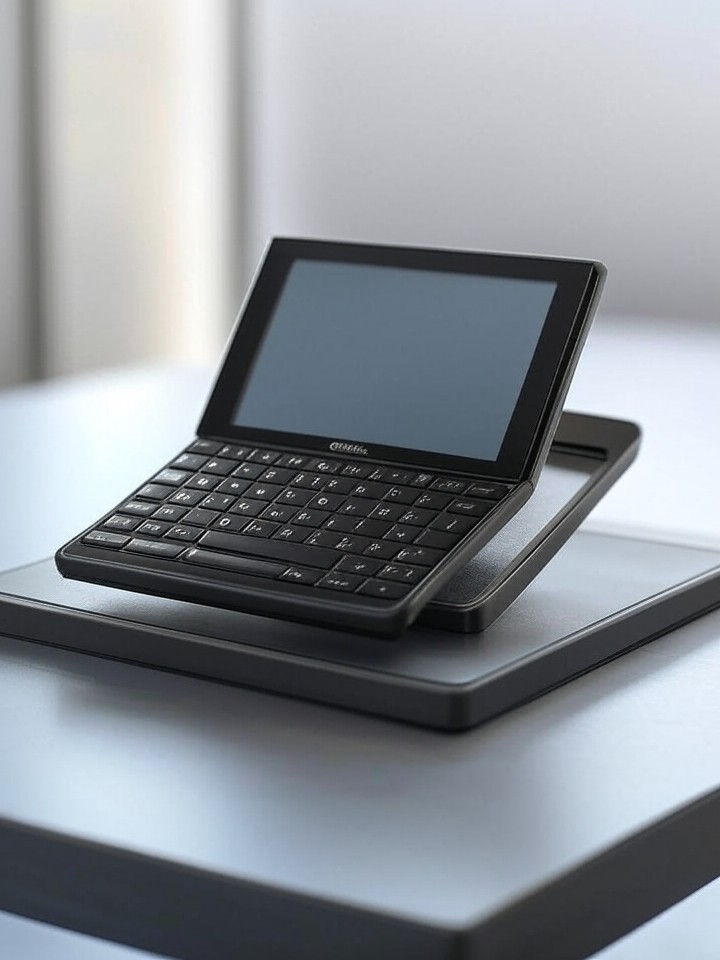
In the bustling halls of the Las Vegas Convention Center, where CES 2026 showcased a flurry of futuristic gadgets from AI-driven robots to ultra-vivid displays, one device stood out for its deliberate nod to the past. The Clicks Communicator, unveiled by startup Clicks Technology, marries the tactile satisfaction of a physical keyboard with the power of modern Android software. This isn’t just another smartphone; it’s a focused tool aimed at professionals who crave efficiency without the distractions of endless scrolling. Drawing inspiration from the iconic BlackBerry devices of yesteryear, the Communicator promises to boost productivity by emphasizing typing precision over touch-screen swipes.
At its core, the device features a slide-out QWERTY keyboard that evokes memories of pre-touchscreen eras, integrated seamlessly with Android 16. According to details from TechRepublic, the Communicator is designed for users who prioritize focus, shipping later this year with features like customizable shortcuts and a distraction-free interface. Industry observers at the show noted how this hybrid approach could appeal to writers, coders, and executives tired of autocorrect mishaps on virtual keyboards. The device’s launch timing aligns with a broader trend at CES, where exhibitors emphasized tools for mindful tech use amid growing concerns about screen addiction.
Beyond its hardware, the Communicator integrates advanced software tweaks to enhance workflow. For instance, it supports direct app launching from keyboard commands, reducing the need to navigate menus. Early hands-on demos revealed a sturdy build with a 6.7-inch OLED display that feels premium, paired with a battery life optimized for all-day use. Clicks Technology’s founders, including former BlackBerry engineers, have positioned this as a “communicator” rather than a phone, underscoring its role in professional communication over casual browsing.
Nostalgia Meets Innovation in Device Design
The resurgence of physical keyboards isn’t entirely surprising in an era dominated by sleek, buttonless slabs. At CES 2026, the Communicator’s debut tapped into a niche but passionate market segment. Sources from the event, including live coverage by The Verge, highlighted how Clicks revealed the device alongside other foldable innovations like Samsung’s Galaxy Z TriFold. This juxtaposition underscores a split in mobile evolution: while some chase ever-thinner profiles and flexible screens, others revisit proven ergonomics to address user fatigue.
Delving deeper, the Communicator’s keyboard isn’t a mere gimmick. It employs haptic feedback for a satisfying click, mimicking the feel of classic BlackBerry keys while incorporating modern touches like backlighting and programmable macros. TechRepublic reported that the device runs on a Snapdragon processor, ensuring compatibility with the latest Android updates, and includes 5G connectivity for seamless cloud integration. For industry insiders, this means potential applications in fields like journalism or legal work, where rapid, accurate input is crucial.
Comparisons to past devices are inevitable. BlackBerry’s fall from grace in the 2010s left a void for keyboard enthusiasts, and Clicks aims to fill it without the proprietary OS limitations that doomed its predecessor. Attendees at CES noted the Communicator’s modular design, allowing for future upgrades, which could extend its lifespan in a market plagued by planned obsolescence.
Broader Trends Echoed at CES 2026
Shifting focus to the event’s overall vibe, CES 2026 emphasized intelligent devices that blend AI with everyday utility. PCMag’s roundup in their Best in Show feature praised innovations like AI-powered robot butlers and advanced chips, but the Communicator earned mentions for its human-centric approach. This year, the Consumer Technology Association’s flagship event, detailed on their official site CES.tech, drew over 130,000 attendees, showcasing how tech is pivoting toward personalization.
In live updates from CNET, reporters on the ground described the Communicator as a standout in a sea of foldables and wearables. It’s not just about typing; the device includes AI-assisted features like real-time transcription and smart replies, powered by on-device processing to maintain privacy. This aligns with sentiments from X posts, where users expressed excitement over gadgets that prioritize focus, such as one post noting the device’s potential to “turn everyday notebooks into AI-powered conversations,” echoing broader discussions on productivity tools.
Moreover, the Communicator’s ecosystem extends to accessories, like compatible cases that enhance its utility for enterprise users. Industry analysts speculate this could disrupt the accessory market, currently dominated by companies like OtterBox or Spigen, by offering integrated solutions tailored for professional workflows.
Competitive Edges and Market Challenges
As we examine the competitive arena, the Communicator faces stiff rivalry from established players. Motorola’s Razr Fold, also unveiled at CES and covered in TechRadar’s live blog, represents the foldable wave, but lacks the tactile input that Clicks provides. Similarly, Samsung’s tri-fold device pushes boundaries in form factor, yet reviewers point out that virtual keyboards still frustrate users during extended sessions.
Pricing will be key; set at around $799 according to initial reports, the Communicator positions itself as a premium alternative to mid-range Android phones. TechRepublic’s article delves into its expected shipping timeline, later in 2026, giving Clicks time to refine software based on CES feedback. For insiders, the real intrigue lies in software support: Will Google fully embrace this hybrid, or will it remain a niche product?
Potential challenges include market saturation. With AI glasses and smart bricks stealing headlines—Lego’s Smart Brick was dubbed “Best in Show” by some outlets—the Communicator must carve out visibility. X chatter, including posts from tech influencers, highlights skepticism about physical keyboards in a touch-dominated world, but also praise for its focus-oriented design.
Integration with Emerging Tech Ecosystems
Looking ahead, the Communicator’s compatibility with edge AI trends, as outlined in PCMag’s Top Tech Trends, positions it well for integration with smart offices and IoT networks. Imagine pairing it with millimeter wave radios for robotic applications, a concept floated in X discussions about future robotics at CES. This could enable seamless control of devices in sectors like manufacturing or healthcare.
Furthermore, its Android 16 foundation opens doors to therapeutic apps, aligning with CES themes of wellness tech. CNET’s exploration of cool tech at the show, in their We Explored CES 2026 piece, notes intimate gadgets that feel personal, much like the Communicator’s ergonomic appeal.
For developers, the device’s open API could foster a community of apps tailored for keyboard-centric use, potentially revitalizing app development in productivity niches.
User Feedback and Future Prospects
Early adopter feedback from CES demos, as captured in Tom’s Guide’s Best of CES Awards, lauds the Communicator’s build quality and speed. Users appreciated the reduced eye strain from less screen tapping, a subtle but significant win in an age of digital wellness concerns.
However, questions remain about durability. Slide-out mechanisms have historically been prone to wear, and Clicks must prove its engineering prowess. Mashable’s live updates from the showroom floor mentioned hands-on sessions where the keyboard felt robust, but long-term tests will be telling.
In enterprise settings, the device could shine. Imagine sales teams using it for quick CRM updates or journalists filing stories on the go. PBS News’ highlights from Day 2 emphasized products ready for shelves, and the Communicator fits that bill with its practical innovations.
Strategic Positioning in a Post-Smartphone World
Strategically, Clicks Technology is betting on a revival of specialized devices amid smartphone homogenization. By focusing on “focus,” as per their CES pitch, they’re targeting a demographic underserved by giants like Apple and Google.
X posts from industry figures, such as discussions on Arm’s compute platforms powering next-gen devices, suggest the Communicator could leverage such tech for enhanced performance. This ties into CES’s emphasis on intelligence everywhere, from vehicles to smart homes.
Ultimately, the device’s success hinges on adoption. If it gains traction among professionals, it could inspire copycats, pushing the industry toward more diverse form factors.
Evolving Narratives from CES Insights
Reflecting on CES 2026’s narratives, the Communicator embodies a counterpoint to flashy AI spectacles. While Lego’s interactive bricks and LG’s wallpaper TVs dazzled, as noted in various X updates, Clicks offers grounded utility.
For insiders, this signals a maturing market where nostalgia informs innovation. TechRepublic’s in-depth coverage positions the device as a bridge between eras, potentially influencing future designs.
As shipments approach, watch for software updates that could integrate with emerging standards like 6G previews at the show.
Long-Term Implications for Mobile Tech
In the long view, devices like the Communicator challenge the one-size-fits-all smartphone paradigm. By prioritizing tactile interaction, it addresses ergonomic gaps that virtual interfaces overlook.
Industry projections, drawn from CES trends, foresee a splintering of the mobile sector into specialized tools. Clicks’ entry could accelerate this, especially if partnerships with carriers materialize.
Finally, as CES wraps, the Communicator leaves us pondering: In a world of infinite distractions, might a simple keyboard be the ultimate innovation?


 WebProNews is an iEntry Publication