
Reviving Tactile Typing: Clicks’ Bold Bet on Physical Keyboards in a Touchscreen World
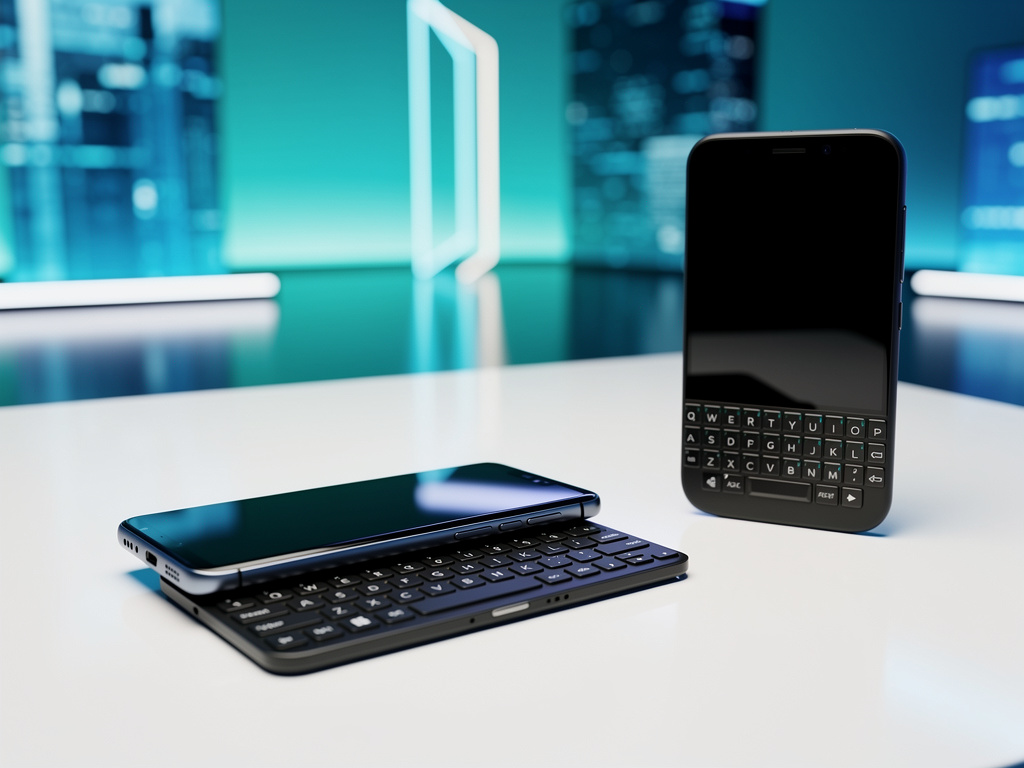
In an era dominated by sleek touchscreens, a small tech company is making waves by resurrecting the charm of physical keyboards. Clicks Technology, known for its innovative smartphone accessories, has unveiled the Power Keyboard, a device that not only brings back the satisfying click of real buttons but also doubles as a portable battery pack. This launch, timed with CES 2026, signals a potential shift in how users interact with their mobile devices, blending nostalgia with modern utility.
The Power Keyboard attaches magnetically to smartphones, sliding out to reveal a full QWERTY layout when needed. It’s designed to work seamlessly with a variety of devices, including iPhones via MagSafe and Android phones through compatible cases. According to reports from The Verge, the accessory provides wireless charging capabilities, effectively turning it into a multifunctional tool that addresses common pain points like battery life and typing efficiency.
Clicks isn’t stopping at accessories; the company is venturing into hardware with its own smartphone, dubbed the Communicator. This device evokes memories of the BlackBerry era, featuring a built-in physical keyboard that’s always at the ready. Industry observers note that this move comes as consumers increasingly seek alternatives to endless scrolling on social media, with the Communicator designed to promote more intentional use.
Nostalgia Meets Innovation in Mobile Accessories
The origins of Clicks trace back to a desire to recapture the tactile feedback lost in the transition to all-touch interfaces. Founded by veterans from the mobile industry, the company first gained attention with keyboard cases that snap onto iPhones and Pixels, offering more screen real estate by eliminating on-screen keyboards. As detailed in a piece from TechCrunch, their latest offerings expand this concept, including a $79 snap-on keyboard that’s affordable yet feature-rich.
What sets the Power Keyboard apart is its integration of a backup battery, providing up to several hours of additional power depending on the model. This hybrid approach solves the dilemma of carrying multiple gadgets—users get typing precision and emergency charging in one compact package. Reviews highlight its compatibility with tablets and even smart TVs, broadening its appeal beyond smartphones.
Social media buzz on platforms like X reflects growing excitement. Posts from tech enthusiasts praise the device’s potential to transform productivity on the go, with some users reminiscing about the efficiency of older BlackBerry models. One viral thread discussed how such innovations could reduce typing errors and eye strain, drawing thousands of views and likes.
Expanding Horizons: From Cases to Full Devices
Clicks’ strategy extends beyond add-ons. The introduction of their own Android-based smartphone marks a significant pivot, positioning the company as a direct competitor in the hardware space. As covered by Engadget, the Communicator features a minimalist interface aimed at curbing addictive app behaviors, with the physical keyboard encouraging deliberate communication over impulsive swipes.
This phone integrates the keyboard as a core element, sliding out from the bottom much like classic sliders from the early 2000s. It’s powered by a custom Android build that prioritizes security and efficiency, appealing to professionals who value quick, accurate input for emails and documents. Early previews suggest it’s not just a gimmick; the device includes modern specs like a high-refresh-rate display and robust camera system.
On the accessory front, the Power Keyboard’s magnetic design allows for easy attachment and detachment, making it versatile for different scenarios. For instance, users can snap it onto a Pixel 10 for work sessions or pair it with an iPhone for casual typing. Insights from 9to5Google emphasize its slide-out mechanism, which feels intuitive and durable.
Battery Tech and User-Centric Design
At the heart of the Power Keyboard is its battery technology, which uses efficient lithium-ion cells to deliver wireless charging without bulky additions. This innovation addresses a common complaint in mobile ecosystems: the rapid drain from constant use. By combining keyboard functionality with power delivery, Clicks is tapping into a niche where convenience reigns supreme.
The device’s build quality has been a focal point in recent analyses. Constructed from premium materials, it offers protection akin to a case while adding minimal weight. Customizable shortcuts further enhance usability, allowing users to program keys for quick app access or macros, as noted in product details from the company’s own site at Clicks.tech.
Feedback from X users underscores real-world applications. Professionals in fields like journalism and law have shared how physical keyboards speed up note-taking during meetings or fieldwork. One post, garnering significant engagement, compared it favorably to virtual keyboards, citing reduced fatigue during extended sessions.
Market Positioning and Competitive Edge
Clicks’ foray into this space comes amid a broader resurgence of interest in retro tech. With smartphones becoming increasingly homogenized, accessories like the Power Keyboard offer differentiation. The company’s CES 2026 showcase, as reported by AppleInsider, highlighted MagSafe compatibility, ensuring it appeals to Apple’s vast user base while supporting Android via adapters.
Pricing plays a key role in accessibility. The $79 entry-level keyboard democratizes the technology, making it feasible for a wider audience. In contrast, the full Communicator phone targets enthusiasts willing to invest in a dedicated device, with pre-orders suggesting strong initial demand.
Comparisons to past icons like BlackBerry are inevitable. Publications such as PCMag draw parallels, noting how Clicks refines the concept with contemporary twists like wireless charging. This blend could carve out a loyal following among those disillusioned with touchscreen dominance.
Challenges and Future Prospects
Despite the hype, challenges remain. Compatibility across diverse phone models requires ongoing engineering efforts, and battery life claims will face scrutiny in real-world testing. Early adopters on X have voiced concerns about bulkiness, though many appreciate the trade-off for functionality.
Clicks is addressing these by iterating based on user feedback. Their roadmap includes expansions to more devices and potential software integrations for enhanced customization. As per a GlobeNewswire release at GlobeNewswire, the Power Keyboard is positioned as a “pocket keyboard for smart screens,” hinting at broader ecosystem ambitions.
The company’s growth trajectory is promising. Backed by investments from tech veterans, Clicks is scaling production to meet anticipated demand. Industry insiders speculate this could inspire similar innovations from larger players, potentially revitalizing interest in physical input methods.
User Sentiment and Adoption Trends
Sentiment on social platforms like X is largely positive, with posts highlighting the device’s role in boosting productivity. Influencers have demonstrated its use in creative workflows, from writing on the go to controlling smart home devices. This organic endorsement is building momentum ahead of wider availability.
Adoption trends suggest a niche but dedicated market. Professionals in content creation and business sectors are early targets, drawn to the efficiency gains. Reviews from Gizmodo praise its sensibility, especially for those nostalgic for BlackBerry’s heyday.
Looking ahead, Clicks’ emphasis on tactile experiences could influence design philosophies across the industry. By merging old-school appeal with cutting-edge tech, the Power Keyboard and Communicator represent a thoughtful counterpoint to prevailing trends.
Strategic Implications for the Tech Sector
For industry insiders, Clicks’ moves underscore opportunities in underserved segments. The integration of battery tech with input devices points to a future where accessories evolve into essential extensions of core hardware. This could pressure giants like Apple and Samsung to reconsider their accessory strategies.
Partnerships may emerge as a growth avenue. Collaborations with phone manufacturers for optimized integrations could accelerate market penetration. As noted in coverage from TechRadar, the wireless charging feature adds a layer of versatility that’s hard to ignore.
Ultimately, Clicks is betting on a renaissance of physical keyboards, driven by users craving more engaging interactions. If successful, this could redefine mobile productivity, proving that sometimes, the best innovations look backward to move forward.
In the broader context of mobile evolution, devices like the Power Keyboard highlight a desire for balance—combining the convenience of modern smartphones with the precision of traditional tools. As more users discover its benefits, Clicks may well establish itself as a key player in reimagining how we connect with our devices.


 WebProNews is an iEntry Publication