
Mahnoor Faisal stared at blank VS Code screens for years. She started coding at age 8, chased YouTube tutorials to Udemy and freeCodeCamp, aced college programming classes. Yet original projects? Impossible. That changed with Claude Code. The AI tool from Anthropic turned her frustration into functional software, exposing the real culprit: coding’s glacial feedback loop. MakeUseOf captured her breakthrough last year, but 2026 developments amplify the shift.
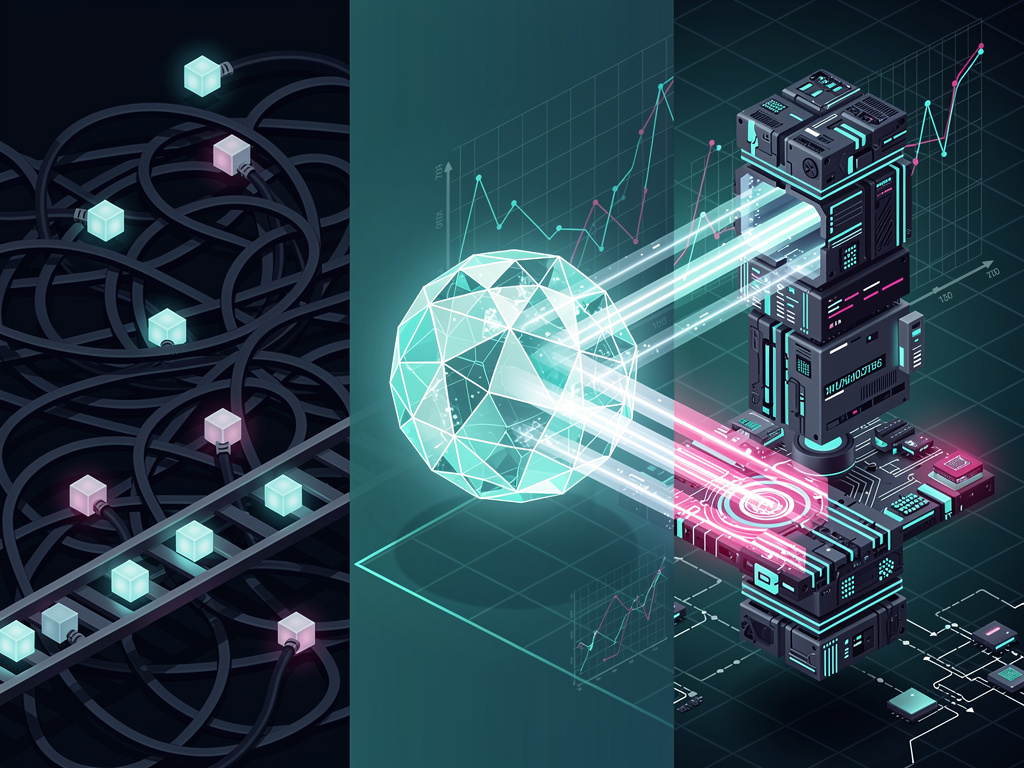
Traditional coding drags. Write hundreds of lines. Compile. Crash. Debug. Repeat. No instant gratification, unlike sketching a canvas or kneading clay. Faisal nailed it: ‘The reason learning to code feels impossible for many isn’t because the logic is too hard. It’s because the feedback loop is brutally slow.’ Claude Code flips this. Describe an idea in English. Get working code minutes later. Install. Test. Boom—proof your concept lives. She built a Chrome extension she’d dreamed of for months, no syntax hurdles.
Build first. Learn later. That’s the mantra. Zara Zhang, creator of a Claude skill called codebase-to-course, put it bluntly: ‘Stop learning first and doing later. Do first, learn later. You don’t get good and then produce output. You produce output and then get good.’ Query the AI on any line, any choice. Why this loop over that? Reverse-engineer from reality. Faisal admits confusion lingers sometimes. But now code starts conversations, not roadblocks.
Industry echoes this. Anthropic’s own research, published January 2026, probes AI’s effect on skills. Observational data from Claude.ai shows speedups—up to 80% on tasks—but warns of offloading thinking. Their tests push ‘learning modes’ like explanatory outputs to build understanding alongside efficiency. Anthropic Research. Developers adapt. Addy Osmani, a Google Chrome engineer, shared his 2026 workflow: treat LLMs as pair programmers needing direction, context, oversight. At Anthropic, ~90% of Claude Code’s code comes from Claude Code itself. AddyOsmani.com.
But mastery demands more than prompts. X discussions reveal the system beneath. CLAUDE.md files store project rules, architecture, conventions—persistent memory. Skills pack reusable workflows; hooks enforce guardrails; agents spawn sub-tasks. Users like @BharukaShraddha call it a ‘4-layer engineering system,’ turning chatbots into senior engineers. Treat it wrong, get mess. Structure it right, ship production code. One post from @RodmanAi: ‘The goal isn’t code. The goal is a working system.’ X (formerly Twitter).
Non-coders thrive too. Lenny’s Newsletter lists 50 ways: marketers automating reports, researchers prototyping tools. A marketer with zero engineering background shipped pixelcheck, an open-source MCP tool for UI testing across personas—from Tokyo housewives to Lagos entrepreneurs—built entirely with Claude Code in four months. Lenny’s Newsletter. X (WayLim).
Challenges persist. ZDNet’s Adrian Bridgwater ‘vibe-coded’ a Mac app in eight hours—then spent more fixing chaos. ‘You’re going to spend most of your time cajoling and correcting,’ he wrote, likening it to managing juniors. Success favors those with architecture grasp. ZDNet. VentureBeat notes Claude’s 200,000-token context handles full codebases, knowing when to delete, not just add. Recruiters, marketers learn coding via internal Slacks. VentureBeat.
The New York Times peeked into Silicon Valley last March. Programmers barely code now. Claude Code agents write features, test, supervise. One startup slashed a day’s work to 30 minutes. ‘Implementation complete!’ flashes the screen. Author Clive Thompson observes: deeply weird, profoundly productive. The New York Times.
Anthropic pushes boundaries. Claude Opus 4.7, April 2026, boosts coding benchmarks 13%, resolves 3x more production tasks. CodeRabbit praises its bug-finding recall. Anthropic. Apple integrates Claude agents into Xcode 26.3 for iOS devs, with code-along workshops. TechCrunch.
Faisal’s decade-long struggle ends in building. She’s not alone. AI collapses the effort-output gap, demands new skills: prompt as system-builder, not scribe. Coding democratizes. Logic barriers fall. Feedback flows fast. Professionals who master this—coders and civilians alike—forge ahead. Others watch blank screens.


 WebProNews is an iEntry Publication