
Unlocking the Pulse: Anthropic’s Claude Dives into Apple Watch Data for Smarter Health Insights
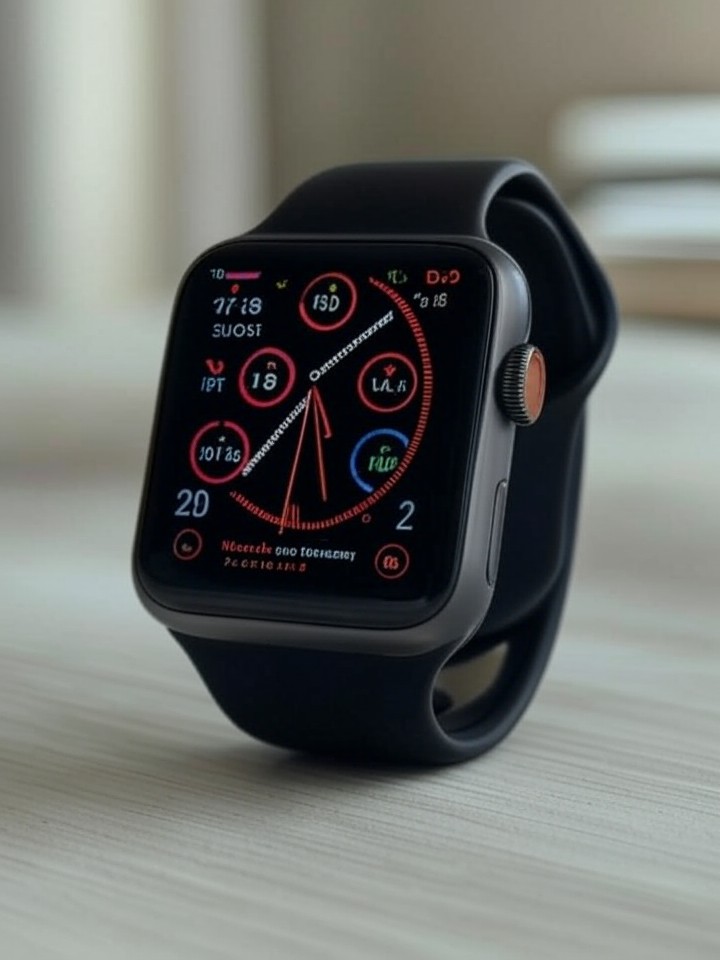
In the rapidly evolving realm of artificial intelligence and personal health technology, Anthropic’s latest move stands out as a pivotal development. The company, known for its Claude AI model, has announced an integration that allows users to connect their Apple Watch health data directly with the AI, promising to transform raw metrics into actionable insights. This feature, part of a broader push into healthcare, enables Claude to analyze data from Apple’s Health app, including heart rate, sleep patterns, and activity levels, offering users plain-language explanations and personalized recommendations. As wearable devices like the Apple Watch continue to amass vast amounts of biometric information, tools like this could bridge the gap between data collection and meaningful interpretation, potentially empowering individuals to take greater control over their well-being.
The integration is rolling out in beta this week through the Claude iOS app, as detailed in Anthropic’s official announcement on their website. Subscribers to Claude Pro and Max plans in the U.S. can opt-in to securely link their Apple Health data, ensuring privacy through design that doesn’t store or use the information for training purposes. This comes amid a surge of AI applications in health, following similar initiatives from competitors like OpenAI. For instance, recent reports highlight how Claude can summarize medical histories, detect patterns in fitness metrics, and even prepare questions for doctor visits, all while adhering to strict data protection standards.
Industry observers note that this development addresses a common pain point: the overwhelming volume of data generated by wearables. Apple Watches, equipped with sensors for ECG readings, blood oxygen levels, and more, provide users with reams of information that often go underutilized due to their complexity. By leveraging Claude’s natural language processing capabilities, Anthropic aims to demystify these metrics, turning them into conversational insights that feel intuitive rather than clinical.
The Mechanics of Integration and User Benefits
At its core, the Claude-Apple Health integration functions as a secure pipeline, allowing the AI to access user-permitted data without compromising privacy. According to details from Anthropic’s news page, the system uses connectors that are private by design, meaning data remains on the user’s device or is processed ephemerally. This setup not only complies with regulations like HIPAA but also builds trust in an era where data breaches are a constant concern. Users can ask Claude to explain anomalies, such as irregular heart rhythms detected by the Watch, or to correlate sleep data with daily activity levels for better lifestyle adjustments.
Early adopters, as shared in posts on X (formerly Twitter), are already buzzing about the potential. One user highlighted how Claude can pull from Apple Health to track long-term trends, such as improvements in VO2 max from consistent workouts, providing motivational summaries that go beyond basic app visualizations. This feature extends to preparing for medical appointments by generating informed questions based on the data, potentially making interactions with healthcare providers more efficient and productive.
For industry insiders, this integration represents a strategic expansion for Anthropic. The company, which has positioned Claude as a helpful and harmless AI, is now venturing into sensitive domains like healthcare, where accuracy and ethical considerations are paramount. By partnering with entities like Novo Nordisk and Stanford Health Care, as mentioned in various updates, Anthropic is building an ecosystem that could influence everything from personal fitness coaching to clinical research.
Competitive Dynamics and Market Implications
Anthropic’s foray into health AI isn’t happening in isolation. Just last week, OpenAI unveiled similar tools for ChatGPT, prompting comparisons in outlets like SiliconRepublic, which noted the parallel pushes by both companies. Anthropic’s offering differentiates itself through its emphasis on secure, opt-in integrations, including not just Apple Health but also Android Health Connect and third-party services like HealthEx. This broad compatibility could give it an edge in a market where users often switch between devices and platforms.
The timing is noteworthy, aligning with growing consumer demand for AI-driven health tools. Wearables have exploded in popularity, with Apple reporting that its Health app now supports over 150 types of data from various sources. However, as pointed out in a 2023 X post by tech influencer Alex Cohen, advancements like the Apple Watch’s ability to detect early signs of hypertension or sleep apnea have left many users seeking better ways to interpret these alerts. Claude steps in here, offering to “detect patterns across fitness and health metrics,” as per Anthropic’s description, which could help users spot subtle trends that might otherwise be missed.
From a business perspective, this move bolsters Anthropic’s subscription model. Pro and Max users gain exclusive access, potentially driving upgrades amid competition from free or lower-tier AI services. Analysts suggest this could accelerate adoption in enterprise settings, where HIPAA-compliant tools are essential for providers and insurers, as covered in The Register‘s recent piece on Claude’s hospital admin integrations.
Privacy Safeguards and Ethical Considerations
Privacy remains a cornerstone of this integration, with Anthropic emphasizing that user data isn’t used to train models or shared without consent. This approach contrasts with past controversies in AI, where data harvesting has drawn scrutiny. In the U.S., where healthcare data is heavily regulated, such assurances are critical. The beta rollout includes features like summarizing lab results in plain language, which could democratize access to health information, especially for those without easy access to specialists.
Ethical questions arise, however, about AI’s role in health advice. While Claude is designed to inform rather than diagnose, there’s a fine line between helpful insights and medical guidance. Industry experts, echoing sentiments in NBC News, warn that users must treat AI outputs as supplements to professional care. Anthropic mitigates this by encouraging users to consult clinicians and by limiting the AI’s scope to explanation and pattern detection, not prescriptive recommendations.
Moreover, the integration’s focus on wearables like the Apple Watch highlights broader trends in consumer health tech. Posts on X from users like Sumjit detail how Claude can auto-validate claims or summarize metrics from devices, pointing to a future where AI acts as a personal health assistant. This could extend to preventive care, where early pattern detection prompts timely interventions, potentially reducing healthcare costs.
Technological Underpinnings and Future Prospects
Delving deeper into the tech, Claude’s capabilities stem from its advanced language model, fine-tuned for healthcare contexts. The AI can process multimodal data, combining numerical metrics from the Apple Watch with user queries for contextual responses. For example, if a user’s heart rate spikes during sleep, Claude might correlate it with activity data and suggest environmental factors, all explained conversationally.
Looking ahead, this integration could pave the way for more sophisticated features, such as real-time alerts or integrations with other wearables. As reported in eWeek, Anthropic’s launch follows OpenAI’s, signaling an arms race in AI health tools. For Apple Watch users, this means their device, already a “wrist doctor” as described in a 2018 X post by Rich DeMuro, gains an intelligent interpreter.
Insiders speculate that partnerships, like those with Stanford Health, could lead to research applications, using aggregated, anonymized data to advance medical studies. This positions Anthropic at the intersection of AI, wearables, and healthcare, potentially influencing policy on data standards.
Real-World Applications and User Stories
In practical terms, imagine a runner using their Apple Watch to track workouts. With Claude, they could query why their recovery heart rate hasn’t improved, receiving a breakdown of factors like sleep quality or nutrition patterns drawn from integrated data. Early feedback on X indicates enthusiasm, with users praising the seamless syncing and insightful summaries.
Healthcare providers might also benefit indirectly, as patients arrive better prepared. A post from Ryan Donegan on X outlines how the feature helps users understand lab results alongside Watch data, fostering more informed discussions.
Challenges persist, including ensuring accuracy across diverse user populations. Anthropic’s beta phase will likely refine this, incorporating feedback to address biases or errors in pattern detection.
Broader Industry Shifts and Innovations
This development underscores a shift toward AI-augmented personal health management. Competitors like Google with its Fitbit integrations are watching closely, as per discussions in tech circles. Anthropic’s edge lies in its constitutional AI approach, embedding safety from the ground up.
For enterprises, the HIPAA-ready tools open doors to administrative efficiencies, such as pulling from databases for claims processing, as noted in Bleeping Computer.
Ultimately, as AI like Claude integrates deeper into daily health routines, it could redefine how we interact with our data, making wellness more accessible and proactive.
Pioneering Personalized Health Narratives
Expanding on personalization, Claude’s ability to generate narratives from data—such as a “health story” weaving together Watch metrics—could engage users more effectively than charts alone. This narrative approach, highlighted in Mint, sets it apart from static apps.
In life sciences, expansions like Medidata integrations for clinical trials suggest broader impacts, potentially accelerating drug development through AI-analyzed wearable data.
As this technology matures, it may influence regulatory frameworks, ensuring AI health tools meet evolving standards.
Navigating Potential Hurdles and Opportunities
Hurdles include data interoperability across devices and regions, with the current U.S.-focus limiting global access. Future updates might address this, expanding to more countries.
Opportunities abound in wellness programs, where employers could leverage anonymized insights for employee health initiatives.
In essence, Anthropic’s integration marks a significant step, blending AI’s analytical power with wearable tech’s ubiquity to foster a more informed health ecosystem.


 WebProNews is an iEntry Publication