
Google just posted numbers that stand out. On an M5 MacBook Pro running the latest macOS, Chrome hit 61 on Speedometer 3.1. It scored 469 on JetStream 3. Both marks set new highs for any browser. The gains come to 5 percent year over year for the first test and 10 percent since the start of 2026 for the second.
These results arrived days before Apple’s developers gather for WWDC. The timing feels deliberate. Yet the data itself demands attention from anyone who ships web code or measures browser performance for a living.
AppleInsider first flagged the story for Mac readers. 9to5Mac and MacRumors followed quickly with their own takes. All three pointed back to the same source. Google’s own post on the Chromium blog lays out the claims in plain language.
Speedometer 3.1 tests how fast a browser handles realistic web app workloads. It simulates adding todo items, editing spreadsheets, and updating charts in real time. Higher numbers mean snappier responses. JetStream 3 pushes compute heavy tasks built around JavaScript and WebAssembly. Think cryptography, AI inference patterns, and complex data processing. Chrome now leads both on Apple’s latest silicon.
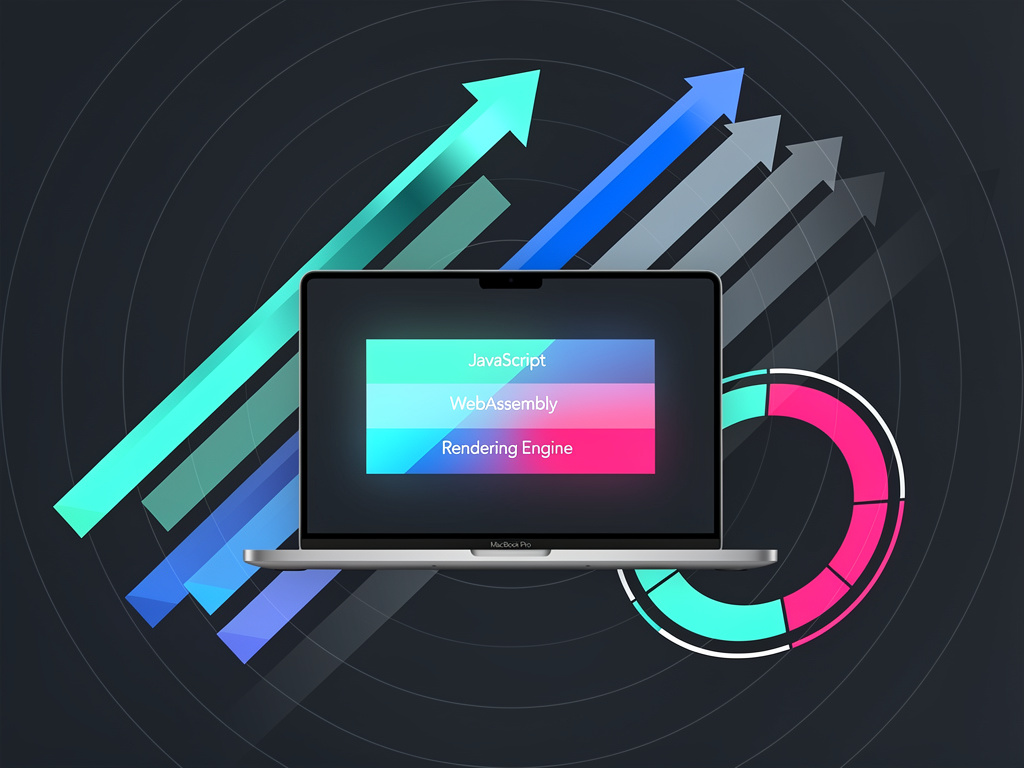
The improvements didn’t appear overnight. Engineers spent months refining three core areas. In JavaScript they adjusted the optimizing compiler to inline common fast paths. They streamlined async operations such as microtask dispatch and await resolution. Heuristics that decide which code deserves heavy optimization got smarter. BigInt handling filled in some previously missed shortcuts.
WebAssembly saw equally targeted work. Better management of internal data structures. Smarter code generation tuned for AI, cryptography, and interpreter cases. The compiler now reuses temporary memory more efficiently. Overhead from calls between JavaScript and WebAssembly dropped noticeably.
Then came the rendering engine. Blink received smarter caching for style resolution and DOM operations. Redundant lookups shrank. A fast bailout path cut checks for element attribute tracking. Style recalculation delays shrank. CSS selector caching simplified without losing accuracy. Foundational page loading tasks benefited too. String copying grew more efficient. Typography and vector graphics pipelines shed long standing bottlenecks.
Google paid special attention to Apple Advanced Typography shaping. Font fallback issues were fixed. Heap allocations disappeared from glyph width calculations. An SVG processing cache sped up graphics heavy pages. The list reads like a catalog of places where even small constant factors add up across millions of users.
Thomas Nattestad, Chrome product manager, framed the results directly. The scores, he wrote, translate into a meaningfully faster experience for users. No hype. Just the claim that these benchmark wins show up in daily browsing.
But benchmarks tell only part of the story. Real web performance still depends on network conditions, site design, and the specific mix of tabs a user keeps open. Memory usage, battery life on laptops, and extension overhead matter just as much to enterprise IT teams evaluating browser fleets.
Safari has long held advantages on macOS through tighter integration with Apple’s silicon and operating system. It often delivered better efficiency even when raw benchmark scores ran close. Now Chrome claims the outright lead on both major tests. The gap that once favored Apple’s browser has narrowed or reversed in these synthetic measures.
Developers watch these numbers. When one engine pulls ahead, frameworks and libraries sometimes optimize first for the faster path. Over time that can shift where new web features land or how quickly they mature. The browser wars never really ended. They simply moved from market share battles to performance skirmishes measured in milliseconds and benchmark points.
The M5 MacBook Pro used for testing represents Apple’s current high end. Exact configuration, whether base M5, Pro, or Max, was not spelled out. macOS 26.0.1 provided the platform. Results were gathered on Chrome 139 dev channel. Earlier tests on M4 hardware and previous macOS releases showed the steady climb.
Industry collaboration built these benchmarks. Speedometer and JetStream emerged from work involving engineers at Apple, Google, Mozilla, and Microsoft. The shared test suite aims to reflect actual web content rather than artificial loops. That makes the record claims harder to dismiss.
Still, Apple will almost certainly respond. Its WWDC keynote is expected to highlight Safari updates along with the usual flood of new OS features. Whether those updates include JavaScript engine tweaks, rendering improvements, or deeper hardware acceleration remains unknown until the stage lights come on.
For now Chrome holds the crown on Apple’s fastest laptops. The numbers are public. The code changes are documented. Teams that ship web applications have fresh data to consider when they profile their own sites.
And the cycle continues. One vendor posts records. Another prepares its counter. Users get incrementally better browsers. The real test comes not in lab scores but in the applications that millions rely on every day. Those applications now have one more reason to expect speed from whatever browser their audience chooses.


 WebProNews is an iEntry Publication