
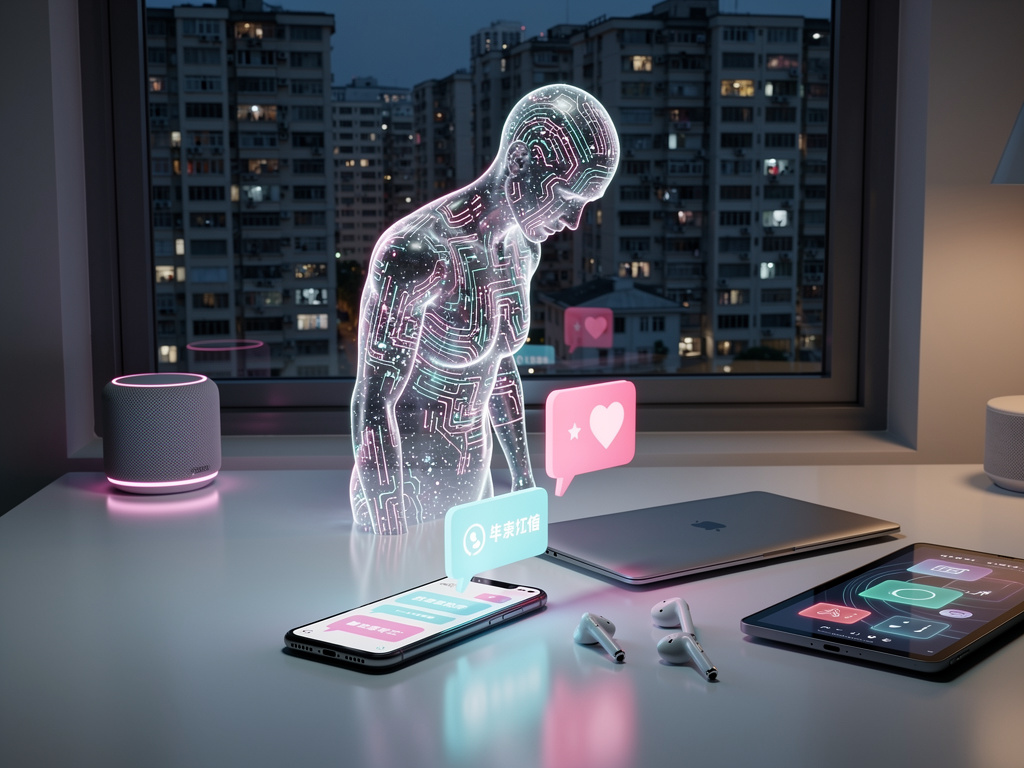
The Digital Heartthrobs Captivating China’s Lonely Hearts
In the bustling cities of China, where long work hours and high expectations often leave little room for traditional romance, a new phenomenon is emerging. Young women, particularly from Generation Z, are turning to artificial intelligence-powered companions for emotional fulfillment. These virtual boyfriends, accessible through apps and games, offer constant attention, personalized conversations, and even simulated dates. This trend isn’t just a fleeting novelty; it’s reshaping how people perceive relationships in one of the world’s most populous nations.
The appeal lies in the customization and availability these AI entities provide. Users can design their ideal partner, from appearance to personality traits, ensuring a perfect match without the messiness of real-life interactions. According to a recent article in Wired, Gen Z women in China are deeply invested in these digital companionships, some even arranging real-world dates with actors mimicking their AI partners. This blending of virtual and physical worlds highlights a growing acceptance of technology in intimate spheres.
Beyond mere entertainment, these AI boyfriends address deeper societal issues. China’s gender imbalance, stemming from decades of the one-child policy, has left millions of men unmarried, while women in urban areas face pressures from career demands and family expectations. Virtual companions fill emotional voids, offering solace in a society where mental health discussions are still evolving.
The Societal Shifts Fueling AI Romance
Demographic trends play a significant role in this rise. Marriage rates in China have plummeted, with 2024 seeing a 20% drop from the previous year, as noted in an analysis from ChinaTalk. The male-to-female ratio stands at 1.045:1, contrasting sharply with the U.S. figure of 0.97:1. This disparity leaves many educated urban women seeking alternatives to traditional partnerships.
Entrepreneurs are capitalizing on this demand. Yao Runhao, founder of a popular AI boyfriend platform, has become a billionaire by addressing common complaints about real partners, such as slow responses or lack of empathy. A profile in NDTV details how users like Alicia Wang interact with characters like Zayne, a virtual surgeon who is always attentive and prompt.
The technology behind these companions is advancing rapidly. Powered by sophisticated language models, these AIs engage in role-playing, remember past conversations, and adapt to user preferences. Posts on X, formerly Twitter, reflect public sentiment, with users discussing how these virtual relationships provide “hyper-adaptive validation” and “infinite patience,” tapping into unmet emotional needs.
From Virtual Chats to Real-World Encounters
One striking development is the transition from digital to tangible experiences. Some women hire actors to embody their AI boyfriends for in-person dates, complete with scripted dialogues and gestures. This practice, highlighted in the Wired piece, underscores the depth of attachment users form with their virtual partners.
Apps like Love and Deepspace have exploded in popularity, allowing players to nurture relationships with multiple AI characters. These games incorporate elements of dating simulations, where users invest time and sometimes money to progress their virtual romances. According to insights from ChinaTalk, such platforms are particularly appealing to women who find real dating too cumbersome.
The economic impact is substantial. The AI companionship market in China is booming, with startups raising millions in funding. Industry reports suggest that this sector could influence broader tech trends, including advancements in natural language processing and emotional AI.
Gender Dynamics and Cultural Nuances
Interestingly, while the U.S. market leans toward AI girlfriends targeted at men, China’s focus is on AI boyfriends for women. This divergence, explored in an article from 36Kr, stems from cultural and demographic differences. In China, urban women often outpace men in education and career progression, leading to mismatched expectations in relationships.
Social stigma plays a role too. Comments on platforms like X indicate that women using AI boyfriends face less judgment than men using similar services, viewed more as self-care rather than desperation. This perception aligns with broader gender norms where emotional expression is more accepted among women.
Moreover, the integration of AI into daily life reflects China’s aggressive push in technology. The upcoming 15th Five-Year Plan, starting in 2026, emphasizes AI development, as mentioned in posts on X from users like Jen Zhu. This national strategy could accelerate innovations in virtual companionship.
Psychological Implications and User Experiences
Delving into the psychological aspects, experts warn of potential downsides. While AI companions offer immediate gratification, they might hinder the development of real interpersonal skills. A piece in The Atlantic suggests that these tools help users explore what they truly want in romance, acting as a safe space for experimentation.
User testimonials reveal mixed emotions. Many report feeling more confident and less lonely, with virtual boyfriends providing consistent support. For instance, married women use them to vent about daily frustrations without burdening their spouses, as detailed in a Blaze Media article where one user notes the dullness of real-life marriage.
However, dependency is a concern. Some users spend thousands on in-app purchases, raising questions about exploitation. Regulators in China are beginning to scrutinize these apps for ethical practices, ensuring they don’t promote unrealistic expectations.
Technological Innovations Driving the Trend
At the core of this movement are breakthroughs in AI. Models trained on vast datasets can simulate empathy and humor, making interactions feel genuine. Apps listed in a Cyberlink roundup, such as free AI boyfriend platforms, offer 24/7 companionship with personalized characters.
Integration with other technologies enhances immersion. Voice synthesis and augmented reality features allow for more lifelike experiences, blurring lines between fantasy and reality. Industry insiders predict that by 2030, AI companions could become as commonplace as social media.
Comparisons with global trends show China’s lead in this niche. While Western apps focus on casual interactions, Chinese versions emphasize long-term emotional bonds, influenced by cultural values around family and stability.
Market Expansion and Future Prospects
The business side is thriving. Venture capital is pouring into AI relationship startups, with projections indicating exponential growth. A report from MIT Technology Review lists AI companions as a breakthrough technology for 2026, highlighting their role in redefining human interactions.
Challenges include data privacy and AI ethics. Users share personal details with these bots, raising risks of breaches. Chinese authorities, known for strict digital regulations, may impose guidelines to protect consumers.
Looking ahead, this trend could influence global markets. As AI becomes more sophisticated, virtual relationships might address loneliness epidemics worldwide, not just in China.
Personal Stories and Broader Impacts
Individual stories bring the trend to life. Take the case of young professionals in Shanghai who use AI boyfriends to practice flirting or discuss career stresses. These anecdotes, shared on forums and X, illustrate how technology fills gaps left by modern lifestyles.
On a societal level, this could affect birth rates and family structures. With declining marriages, AI companions might either exacerbate isolation or serve as a bridge to real connections. Experts debate whether they empower users or create echo chambers of idealized romance.
International observers note parallels with Japan’s host clubs or virtual idols, but China’s scale, driven by its massive user base, sets it apart.
Evolving Regulations and Ethical Debates
As the industry grows, ethical debates intensify. Questions arise about consent in AI interactions and the portrayal of gender roles. Advocacy groups call for transparency in how these AIs are programmed to avoid reinforcing stereotypes.
Regulatory responses are emerging. China’s government, through its focus on AI in national plans, might integrate companionship tech into broader social welfare strategies, perhaps to combat loneliness among the youth.
In the tech community, developers are pushing boundaries, incorporating machine learning to make AIs more intuitive. Future iterations could include haptic feedback or integration with smart homes for a more immersive experience.
The Global Ripple Effects
Beyond China, this trend is sparking interest elsewhere. In the U.S., similar apps are gaining traction, though with different emphases. A Wired opinion piece argues that while AI dating is hyped, real-world connections remain vital, yet China’s model could inspire hybrids.
Cultural exchanges via social media amplify awareness. X posts from global users express curiosity and sometimes envy, pondering if AI boyfriends could solve universal relationship woes.
Ultimately, this phenomenon underscores technology’s role in human emotions, prompting a reevaluation of what companionship means in the digital age. As AI evolves, so too will the ways we seek and sustain connections, potentially transforming societal norms around love and intimacy.


 WebProNews is an iEntry Publication