
The Silent Sentinel: Inside China’s Viral ‘Are You Dead Yet’ App and Its Grip on a Lonely Generation
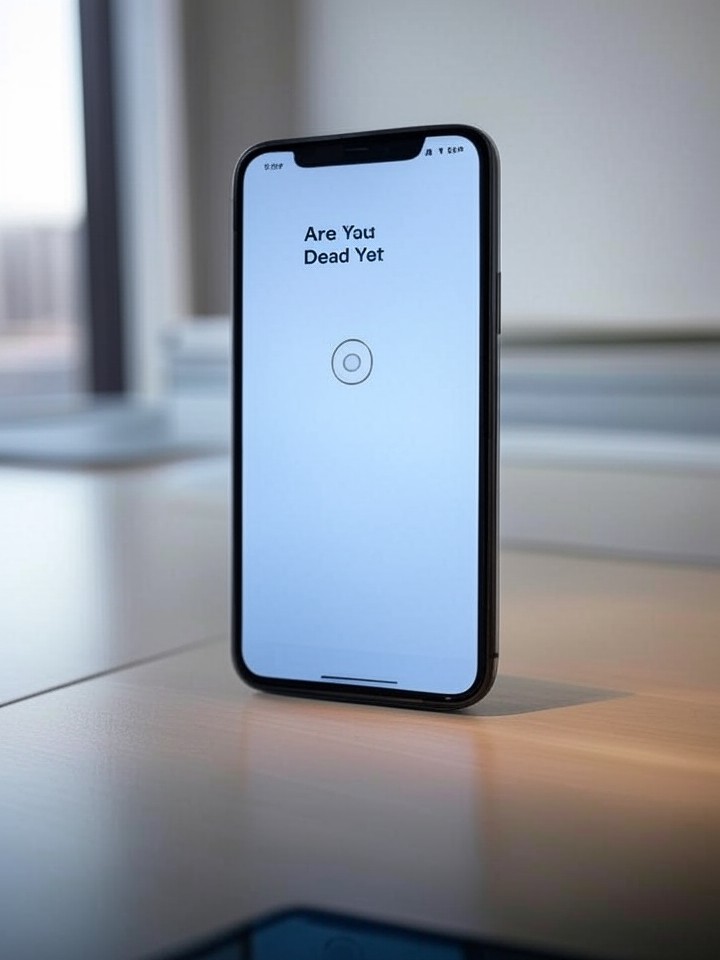
In the bustling megacities of China, where millions navigate the pressures of modern life in isolation, a peculiar app has skyrocketed to prominence. Dubbed “Are You Dead Yet” – or “Sile Ma” in Chinese – this digital tool prompts users with a daily question: Are you still alive? For many young professionals living alone, it’s become an unlikely lifeline, addressing the grim fear of perishing unnoticed in their apartments. Launched amid a surge in solo living, the app has topped download charts, drawing attention from global media and sparking debates on technology’s role in combating social isolation.
The mechanics are straightforward yet haunting. Users set up daily check-ins, often via a simple tap or biometric confirmation. If they fail to respond within a designated window, the app escalates: first notifying pre-selected contacts, then potentially alerting emergency services. This feature resonates deeply in a society where delayed discoveries of deceased individuals in urban settings have made headlines. According to reports, the app’s creators drew inspiration from real-life tragedies, aiming to provide peace of mind in an era of fragmented family structures.
As of early 2026, “Are You Dead Yet” has amassed millions of downloads, particularly among millennials and Gen Zers in cities like Shanghai and Beijing. Its paid model – a one-time fee for premium features – has propelled it to the apex of Apple’s App Store in China, outpacing gaming and productivity tools. Investors have poured in, sensing a lucrative intersection of tech and societal need.
Rising from Isolation: The App’s Origins and Rapid Ascent
The app’s genesis traces back to a small team of developers in Shenzhen, who identified a gap in the market for safety nets tailored to solo dwellers. In an exclusive interview with WIRED, one creator revealed plans to rebrand due to the name’s morbidity, yet acknowledged its viral appeal. “We wanted something direct that cuts through the noise,” the developer said, highlighting how the blunt title mirrors the app’s no-nonsense purpose.
Media coverage has amplified its reach. The BBC described it as a “bleak-sounding app” downloaded en masse by youth fearing solitary deaths, while The Telegraph noted its dominance amid an “epidemic of isolation.” These accounts underscore a broader demographic shift: China’s one-child policy legacy and rapid urbanization have led to a boom in single-person households, now exceeding 100 million by some estimates.
User testimonials paint a vivid picture. A 28-year-old office worker in Guangzhou told The Independent that the app offers “a sense of security” in her tiny apartment, far from family. Such stories reveal the app’s emotional undercurrent, transforming a tech gadget into a companion against loneliness.
Beyond anecdotes, data from app analytics firms shows engagement rates soaring, with users averaging multiple interactions per day. This stickiness has attracted venture capital, with funding rounds reportedly valuing the startup in the hundreds of millions. Yet, success brings scrutiny, as experts question whether this innovation merely bandages deeper societal wounds.
Technological Underpinnings: From Check-Ins to AI-Driven Alerts
At its core, “Are You Dead Yet” leverages smartphone sensors and cloud computing for seamless operation. Integration with wearables like smartwatches allows passive monitoring – detecting heart rates or movement to infer user status. If anomalies arise, AI algorithms analyze patterns before triggering alerts, minimizing false positives.
This tech stack draws parallels to digital afterlife services, where users pre-record messages for posthumous delivery. While not explicitly marketed as such, the app’s framework could evolve into managing digital estates, like notifying heirs or securing online accounts upon confirmed demise. Discussions in tech forums speculate on expansions, blending mortality reminders with legacy preservation.
However, the app’s rise coincides with China’s tech ecosystem, where innovations often intersect with state oversight. Posts on X (formerly Twitter) highlight user sentiments on privacy, with some voicing fears of data misuse in a surveillance-heavy environment. One post noted how similar apps have been co-opted for monitoring, reflecting broader anxieties about personal information in the hands of authorities.
Industry analysts compare it to Western counterparts like emergency response apps, but note the cultural specificity. In China, where filial piety traditionally ensured elder care, the app fills voids created by migration and career demands. Business Insider explored how it sparks debates on loneliness, affecting not just youth but an aging population projected to strain resources.
Societal Ripples: Loneliness, Demographics, and Ethical Quandaries
The app’s popularity illuminates China’s demographic challenges. With fertility rates plummeting and an inverted population pyramid, solo living is set to intensify. Government reports indicate over 200 million people aged 20-39 live alone, a figure expected to double by 2030. “Are You Dead Yet” thus emerges as a symptom of systemic issues, from housing affordability to work-life imbalances.
Critics argue it normalizes isolation rather than addressing root causes. Sociologists interviewed by Dexerto suggest that while practical, the app might deter real human connections, fostering reliance on digital crutches. One expert quipped, “It’s like having a robot check if you’re breathing – efficient, but soulless.”
Ethical concerns loom large, particularly around data privacy. In a nation with extensive digital monitoring, users worry about information leaks. X posts from tech watchers reference past incidents where apps funneled data to government systems, amplifying fears. For instance, discussions link it to anti-fraud apps that alert police on suspicious activities, blurring lines between safety and surveillance.
Despite this, proponents view it as empowering. The China Media Project analyzed how the app navigates cultural taboos on death, sparking open conversations in a society where such topics are often avoided. By gamifying check-ins with rewards or social features, it subtly shifts perceptions, making mortality discussions more approachable.
Global Echoes: Privacy Debates and International Parallels
Internationally, the app draws parallels to apps like Japan’s “Kodokushi” prevention tools or U.S.-based wellness trackers. Yet, China’s version stands out for its scale and cultural fit. Web searches reveal similar innovations in South Korea and Europe, where aging populations prompt tech solutions for solitary deaths.
Privacy advocates, however, sound alarms. Posts on X from users and analysts decry the potential for data exploitation, especially given China’s track record with apps like WeChat, which integrate surveillance elements. One viral thread questioned why such tools thrive in environments with minimal privacy protections, echoing sentiments from United Daily News, which covered the app’s chart-topping status amid these concerns.
Regulatory responses are emerging. Chinese authorities have praised the app for promoting public safety, but insiders speculate on impending guidelines to safeguard user data. Comparisons to TikTok’s data scandals underscore the geopolitical tensions, with X users noting how Western bans on Chinese apps stem from similar fears.
Looking ahead, expansions could include AI companions that simulate conversations, blurring lines with digital afterlife tech. Imagine pre-set messages dispatched upon inactivity, preserving a user’s voice beyond death. This evolution, hinted at in developer interviews with WIRED, positions the app at the forefront of mortality-managing innovations.
Investor Frenzy and Future Trajectories
Venture interest is palpable. Following its App Store dominance, the app secured funding from prominent firms, eyeing global markets. Yet, rebranding efforts – as disclosed to WIRED – aim to soften its image for international appeal, perhaps renaming it to something less macabre like “Life Check.”
Challenges persist, including competition from free alternatives and user fatigue. Market research suggests saturation could lead to churn, prompting features like community forums for solo livers to connect virtually.
Ultimately, “Are You Dead Yet” encapsulates technology’s dual-edged sword: a beacon against isolation, yet a potential vector for intrusion. As China grapples with its solitude crisis, this app may redefine how societies confront mortality in the digital age.
Beyond the App: Broader Implications for Tech and Society
Extending the lens, the app’s success signals shifts in consumer tech toward proactive health and safety. Integrations with smart homes could automate detections, like linking to door sensors or cameras – though this raises further privacy red flags, as debated on X.
Experts from the BBC and The Independent foresee ripple effects, influencing policy on elder care and urban planning. In a nation pushing digital innovation, it exemplifies how apps can address gaps left by traditional systems.
For industry insiders, the takeaway is clear: mortality tech is a burgeoning field, blending AI, data analytics, and human psychology. As “Are You Dead Yet” evolves, it may inspire a wave of similar tools worldwide, challenging us to balance innovation with ethical safeguards.
In reflecting on user stories shared across platforms, one constant emerges: the app’s raw appeal lies in its acknowledgment of vulnerability. In an increasingly atomized world, it serves as a digital whisper, asking if we’re still here – and ensuring someone listens if we’re not.


 WebProNews is an iEntry Publication