
Beijing’s Calculated Chip Curbs: How China’s Nvidia Restrictions Reshape Global AI Ambitions
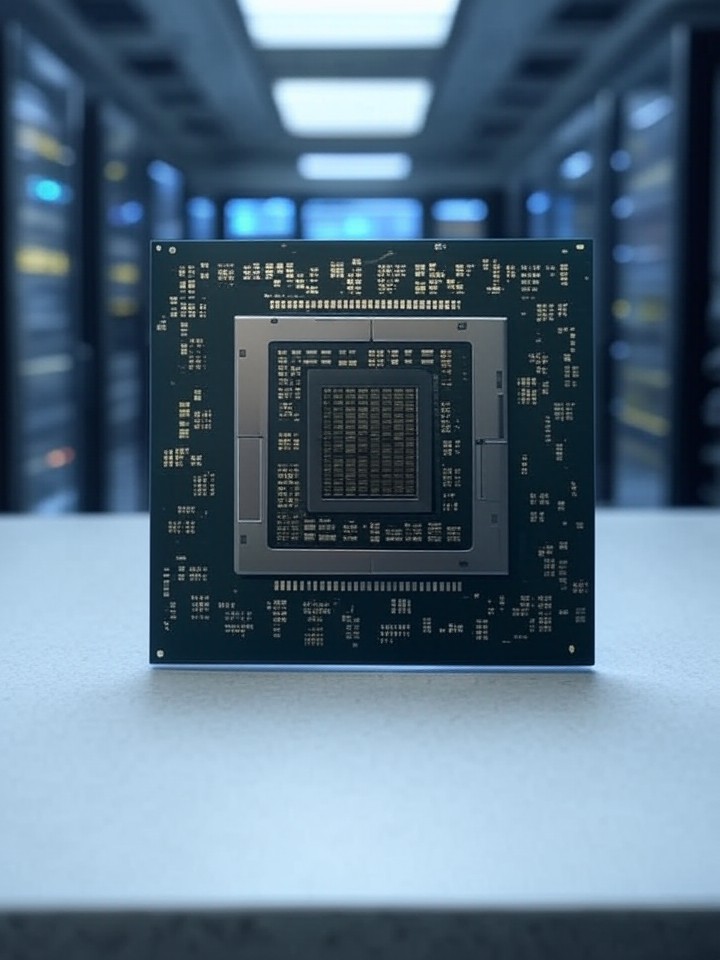
In the escalating tech rivalry between the U.S. and China, Beijing’s latest move to limit purchases of Nvidia’s advanced AI chips marks a pivotal shift. According to a recent report, the Chinese government has informed select technology companies that approvals for acquiring Nvidia’s H200 chips will be granted only under exceptional conditions, such as for academic research at universities. This directive, communicated this week, underscores China’s strategy to bolster domestic alternatives while navigating U.S. export controls. The policy doesn’t outright ban the chips but confines their use to narrowly defined purposes, potentially slowing the adoption of cutting-edge AI hardware by Chinese firms.
This restriction arrives amid a broader context of geopolitical tensions. Nvidia, a dominant player in AI semiconductors, has faced U.S.-imposed export limits since 2022, aimed at preventing advanced technology from aiding China’s military advancements. Yet, Beijing’s response appears calibrated to encourage self-reliance without fully severing ties to foreign innovation. Sources familiar with the matter indicate that the guidance targets state-influenced entities, leaving some leeway for private-sector AI labs, though with heightened scrutiny. This nuanced approach reflects China’s dual goals: advancing its semiconductor industry and maintaining access to global tech ecosystems.
The implications for Nvidia are significant, as China represented a substantial market before restrictions tightened. In fiscal 2024, the region accounted for about 20% of Nvidia’s revenue, though that figure has fluctuated due to regulatory hurdles. With the H200 chip—touted as an upgrade over the H100 for its enhanced memory and processing capabilities—now subject to these “special circumstances” approvals, Nvidia’s growth in China could face further constraints. Analysts suggest this might push Chinese buyers toward stockpiling or seeking workarounds, but the overarching effect is a deliberate slowdown in foreign tech dependency.
Tightening the Reins on Foreign Tech Imports
Beijing’s policy isn’t emerging in isolation. Recent communications from Chinese authorities emphasize that companies should only pursue H200 purchases if absolutely necessary, prioritizing local options where feasible. This aligns with broader initiatives, such as mandates for state-funded data centers to favor domestic AI chips. For instance, projects with less than 30% construction completion must replace or forgo foreign chips entirely, accelerating the shift to homegrown alternatives like those from Huawei or Biren Technology.
The timing is notable, coming shortly after reports that Nvidia aimed to resume H200 shipments to China by mid-February, contingent on Beijing’s nod. However, uncertainties persist, with some sources indicating that Chinese customs have been instructed to block H200 imports outright in certain cases. This patchwork of approvals and denials creates a challenging environment for multinational firms. Nvidia has adapted by requiring full upfront payments from Chinese customers, a hedge against approval volatility, as noted in a Reuters exclusive.
Industry insiders view this as part of China’s long-term plan to decouple from U.S.-dominated supply chains. Posts on social media platform X highlight sentiment that these restrictions could unpredictably impact Nvidia’s revenue, with demand hinging on political whims rather than market forces. One observer noted that while the H200 isn’t Nvidia’s primary growth driver—U.S. hyperscalers and enterprise deals hold that role—the volatility introduces risks to future forecasts.
Nvidia’s Strategic Pivot Amid Geopolitical Headwinds
For Nvidia, these developments compound existing challenges. The company has already modified chips to comply with U.S. export rules, creating less powerful variants for the Chinese market. Yet, major players like Alibaba and Tencent have shown reluctance to adopt these downgraded versions, opting instead for fewer orders or domestic substitutes. This hesitation stems from performance gaps, where modified chips fall short of global standards, diminishing their appeal for high-stakes AI applications.
Beijing’s “special circumstances” framework, detailed in a report from The Information, specifies allowances for university research and development labs, suggesting a focus on non-commercial, knowledge-building uses. This could preserve some inflows of advanced tech for educational purposes while curbing widespread commercial deployment. Experts argue this selective access allows China to study and reverse-engineer foreign innovations, fueling its own R&D efforts.
Nvidia’s leadership has expressed disappointment with the evolving situation in China. CEO Jensen Huang has publicly stated the company’s intent to serve the market only if welcomed, acknowledging the precarious balance. Despite these hurdles, Nvidia’s stock has shown resilience, shrugging off initial reports of the restrictions, as per market analyses. Investors appear to prioritize the company’s strong performance in other regions, where demand for AI infrastructure remains robust.
Broader Impacts on the Global Semiconductor Ecosystem
The ripple effects extend beyond Nvidia and China. U.S. policymakers, including the Commerce Department, have recently signaled a willingness to allow restricted sales of advanced AI chips to China, following a 2025 policy shift. This move, announced by then-President Trump, aimed to balance national security with economic interests, but it hasn’t fully alleviated tensions. Chinese firms, facing these barriers, are ramping up investments in indigenous chip design, with state-backed initiatives pouring billions into alternatives that rival Nvidia’s offerings.
On X, discussions among tech enthusiasts and analysts underscore the acceleration of China’s push for semiconductor independence. Posts suggest that by limiting foreign chips to exceptional cases, Beijing is effectively turning advanced computing into a regulated resource, promoting domestic players while mitigating reliance risks. This strategy mirrors past efforts, such as the “Made in China 2025” plan, which prioritized tech self-sufficiency.
For global supply chains, the uncertainty fosters diversification. Companies like AMD and Intel, Nvidia’s competitors, may see opportunities in markets less affected by Sino-U.S. frictions, but they too grapple with similar export controls. The H200 restrictions could also influence pricing dynamics, with Chinese buyers potentially facing premiums due to scarcity or approval delays.
Strategic Responses from Chinese Tech Giants
Chinese tech behemoths are adapting swiftly. Firms like Baidu and ByteDance, heavy users of AI chips, are increasingly turning to local suppliers to fill the void. Huawei’s Ascend series, for example, has gained traction as a viable alternative, bolstered by government incentives. This shift not only reduces exposure to foreign restrictions but also strengthens China’s position in AI development, potentially closing the gap with U.S. leaders.
The policy’s focus on “special circumstances” like university research highlights an emphasis on innovation ecosystems. By channeling foreign tech into academia, China can nurture talent and knowledge transfer without broad economic concessions. Reports from The Economic Times echo this, noting approvals for research-oriented imports while commercial entities face steeper hurdles.
However, challenges remain. Domestic chips often lag in performance for the most demanding AI tasks, such as training large language models. This disparity could hinder China’s ambitions in generative AI, where Nvidia’s hardware dominates globally. Insiders predict that without consistent access, Chinese firms might resort to gray-market sourcing or accelerated R&D to bridge the divide.
Geopolitical Undercurrents and Future Trajectories
The U.S.-China tech standoff shows no signs of abating. Beijing’s restrictions on Nvidia chips are a counterpunch to American export bans, which have already cost U.S. firms billions in lost opportunities. Nvidia’s finance chief has warned that prolonged curbs could permanently erode U.S. leadership in key markets, a sentiment echoed in industry forums.
Recent news, including a Bloomberg article, suggests China might approve some H200 imports this quarter, albeit under tight controls. This potential thaw could provide short-term relief for Nvidia, but the overarching trend points toward fragmentation in global tech supply chains.
Looking ahead, the interplay between regulation and innovation will define the sector’s evolution. China’s calculated restrictions may spur domestic breakthroughs, but at the risk of isolation from global standards. For Nvidia, navigating this requires agile strategies, from product diversification to lobbying for policy leniency.
Industry Sentiment and Market Reactions
Sentiment on platforms like X reveals a mix of concern and pragmatism. Users point out that while Nvidia’s China revenue becomes less predictable, the company’s core strengths lie elsewhere, mitigating broader impacts. One post highlighted how these curbs accelerate China’s domestic AI chip development, potentially creating long-term competitors.
Market reactions have been muted, with Nvidia’s shares holding steady despite the news. This resilience stems from booming demand in the U.S. and Europe, where AI investments surge unabated. Analysts from TradingView note that the restrictions, while newsworthy, align with ongoing trends rather than representing a seismic shift.
Nevertheless, for industry insiders, these developments underscore the need for diversified strategies. Companies must balance compliance with innovation, anticipating further regulatory twists in this high-stakes arena.
Pathways to Technological Sovereignty
China’s approach to Nvidia’s H200 chips exemplifies a broader quest for technological sovereignty. By confining imports to special cases, Beijing fosters an environment where local innovation thrives under protectionist measures. This could lead to a bifurcated global AI ecosystem, with parallel advancements in East and West.
For Nvidia, the path forward involves deepening ties in unrestricted markets while exploring compliant solutions for China. Partnerships with local firms or further chip modifications might offer avenues, though success hinges on diplomatic progress.
Ultimately, these restrictions highlight the intricate dance of tech policy, where economic power and national security intersect. As both nations vie for AI supremacy, the outcomes will reverberate across industries, shaping the future of global innovation.


 WebProNews is an iEntry Publication