
The Follies of Futurism: CES 2026’s ‘Worst in Show’ Exposes Tech’s Troubling Underbelly
In the glittering halls of Las Vegas, where the Consumer Electronics Show (CES) annually showcases the pinnacle of technological advancement, a counter-narrative emerges each year. The “Worst in Show” awards, now in their fifth iteration, serve as a stark reminder that not all innovation propels society forward. Organized by a coalition of consumer advocacy groups, these anti-awards spotlight gadgets and technologies that exacerbate privacy invasions, environmental waste, and societal harms rather than alleviating them. This year’s edition, held amid the buzz of CES 2026, targeted a slew of products that embody the industry’s excesses, from AI-infused appliances to surveillance-heavy devices.
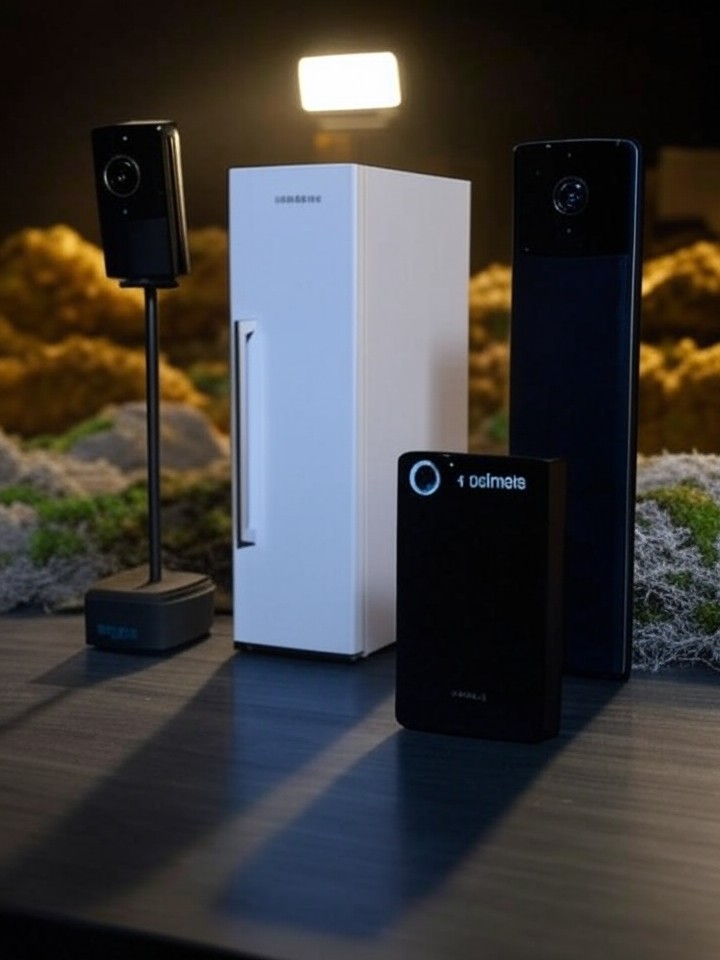
The awards ceremony, streamed live and drawing attention from tech critics worldwide, underscored a growing unease with the unchecked proliferation of artificial intelligence in everyday consumer products. Judges, including representatives from organizations like Consumer Reports and the Electronic Frontier Foundation, deliberated over entries that promised convenience but delivered complications. One standout loser was Samsung’s AI-powered refrigerator, criticized for its voice recognition flaws that could lead to misinterpreted commands and unnecessary energy consumption. As reported in pennlive.com, the fridge’s integration of AI for tasks like inventory management raised alarms about data privacy, with experts warning that such devices could inadvertently leak personal information through constant connectivity.
Beyond kitchen appliances, the awards called out Amazon’s Ring updates, particularly enhancements to their always-on surveillance cameras. The coalition argued that these features normalize pervasive monitoring, potentially eroding civil liberties. In a detailed critique, the judges highlighted how Ring’s ecosystem encourages users to share footage with law enforcement without sufficient oversight, blurring lines between home security and unwarranted spying. This sentiment echoes broader concerns in the tech sector about the ethical implications of smart home devices.
Spotlighting Surveillance Overreach
Shifting focus to emerging AI companions, the “Worst in Show” panel zeroed in on an AI “soulmate” device marketed as a virtual partner. Promoted for its emotional support capabilities, the gadget was lambasted for fostering dependency and collecting intimate user data without robust safeguards. According to coverage from iFixit, the device’s algorithms, while sophisticated, risk manipulating users’ emotions, potentially leading to psychological harms. Critics drew parallels to past tech fads that prioritized engagement over well-being, urging manufacturers to prioritize ethical AI development.
Environmental impact also took center stage, with awards targeting products that contribute to electronic waste. A coffeemaker equipped with voice-activated brewing was deemed overly complex, likely to fail prematurely due to its intricate components, thus accelerating obsolescence. The Register’s analysis in their piece on CES 2026 worst-in-show described it as a “bad idea set to create literal waste,” emphasizing how such gadgets inflate manufacturing demands without proportional benefits. This critique aligns with global calls for sustainable tech practices, as e-waste continues to pile up in landfills worldwide.
The coalition’s efforts extend beyond mere mockery; they aim to influence industry standards. By publicizing these flaws, advocates hope to pressure companies into adopting better repairability and transparency measures. For instance, the awards highlighted unfixable devices that lock users into proprietary ecosystems, making repairs costly or impossible. This issue resonates with right-to-repair movements, which have gained traction in legislative circles, pushing for laws that mandate accessible parts and manuals.
AI’s Double-Edged Sword in Consumer Tech
Delving deeper into AI’s role, CES 2026 was awash with products touting intelligent features, but the “Worst in Show” awards exposed the pitfalls of hasty implementation. An electronic lollipop, infused with AI to simulate flavors, was ridiculed for its triviality amid pressing global challenges like climate change. Euronews reported in their article on AI-everything at CES 2026 that such novelties distract from meaningful innovation, potentially diverting resources from more impactful technologies. The judges argued that these gimmicks exemplify “enshittification,” where products degrade in quality to boost short-term profits.
Social media sentiment on X amplified these criticisms, with users posting about the disconnect between hyped announcements and real-world utility. Posts highlighted frustrations with AI devices that promise seamlessness but deliver glitches, reflecting a broader skepticism toward overpromising tech demos. One viral thread compared the AI soulmate to dystopian fiction, warning of isolation in an increasingly digital world. This online discourse underscores how public opinion is shifting, demanding accountability from tech giants.
In contrast, the official “Best of CES” awards celebrated breakthroughs like Lego’s Smart Brick, which promotes creative, repairable play. As detailed in The Verge’s live coverage of CES 2026, such positive recognitions highlight paths forward, emphasizing modularity and user empowerment. Yet, the “Worst in Show” serves as a necessary foil, reminding insiders that innovation must be tempered with responsibility.
Privacy Pitfalls and Ethical Quandaries
Privacy concerns dominated discussions, with multiple award recipients flagged for lax data handling. Amazon’s Ring, already under scrutiny, faced renewed backlash for features that integrate with neighborhood watch apps, potentially enabling racial profiling. The Associated Press, via Slashdot’s story on CES Worst in Show Awards, noted how these tools amplify biases inherent in AI training data. Experts called for mandatory audits to ensure fairness, a step that could redefine industry norms.
Another recipient, a smart treadmill with biometric tracking, was criticized for collecting health data without clear consent mechanisms. iFixit’s report pointed out vulnerabilities in data storage, where breaches could expose sensitive information. This raises questions about the monetization of personal metrics, as companies increasingly view user data as a revenue stream. Insiders speculate that regulatory bodies like the FTC may intervene, imposing stricter guidelines on IoT devices.
The awards also touched on accessibility, or the lack thereof, in high-tech gadgets. Products that alienate non-tech-savvy users through convoluted interfaces were deemed exclusionary. Pennlive.com’s coverage elaborated on how Samsung’s fridge, while innovative, might frustrate elderly users with its reliance on voice commands that falter in noisy environments. This highlights a broader industry failure to design inclusively, prioritizing flash over functionality.
Wasteful Wonders and Sustainability Struggles
On the sustainability front, the coalition decried devices with short lifespans, such as the AI coffeemaker prone to breakdowns. The Register’s article stressed the environmental toll of producing complex electronics that end up discarded. With global e-waste projected to reach 74 million tons annually by 2030, such critiques urge a pivot toward circular economies in tech manufacturing.
X posts from tech enthusiasts echoed these concerns, with users sharing stories of gadgets becoming obsolete after minor software updates. This “planned obsolescence” tactic, while profitable, erodes consumer trust. One post likened CES to a “rusty dumpster full of flaming garbage,” capturing the cynicism toward wasteful innovations.
Counterbalancing this, some CES exhibitors showcased eco-friendly alternatives, like modular smartphones from Fairphone, though they didn’t make headlines. CNET’s recap of CES 2026 praised such efforts, suggesting a slow but steady shift toward greener tech. However, the “Worst in Show” awards remind us that progress is uneven, with many companies still chasing novelty over necessity.
Industry Reflections and Future Directions
For industry insiders, these awards prompt introspection about the innovation cycle. Rapid prototyping at CES often prioritizes spectacle, leading to products that flop in the market. Mashable’s live updates from CES 2026 captured the frenzy, where AI hype overshadowed substantive advancements. Analysts predict that sustained criticism could foster more rigorous testing phases, reducing the influx of flawed gadgets.
Moreover, the coalition’s influence is growing, with past winners prompting recalls or redesigns. For example, previous awardees have led to firmware updates addressing security holes. This pattern suggests that “Worst in Show” isn’t just satirical but catalytic, pushing for systemic change.
Looking ahead, as AI integrates deeper into consumer goods, the need for ethical frameworks becomes paramount. Euronews’ piece advocated for international standards on AI transparency, a call that resonates with policymakers. By highlighting failures, these awards illuminate paths to better tech, ensuring that futurism serves humanity rather than subverting it.
Amplifying Advocacy Through Critique
The event’s organizers emphasize education, using the awards to inform consumers about hidden risks. WION’s report on X about CES 2026 handing out ‘worst in show’ awards (note: linking to WION’s main site as per post context) noted judges’ warnings on security and environmental impacts. This advocacy extends to workshops and resources, empowering users to demand better.
Social platforms like X have become battlegrounds for these debates, with hashtags trending around CES critiques. Posts from influencers dissected award winners, fostering community-driven accountability. This grassroots momentum could pressure exhibitors to vet products more thoroughly in future shows.
Ultimately, the “Worst in Show” awards at CES 2026 reveal the tensions inherent in technological progress. While the show dazzles with possibilities, these anti-awards ground us in realities, advocating for innovation that truly enhances lives without unintended consequences. As the industry evolves, balancing ambition with caution will define its legacy.


 WebProNews is an iEntry Publication