
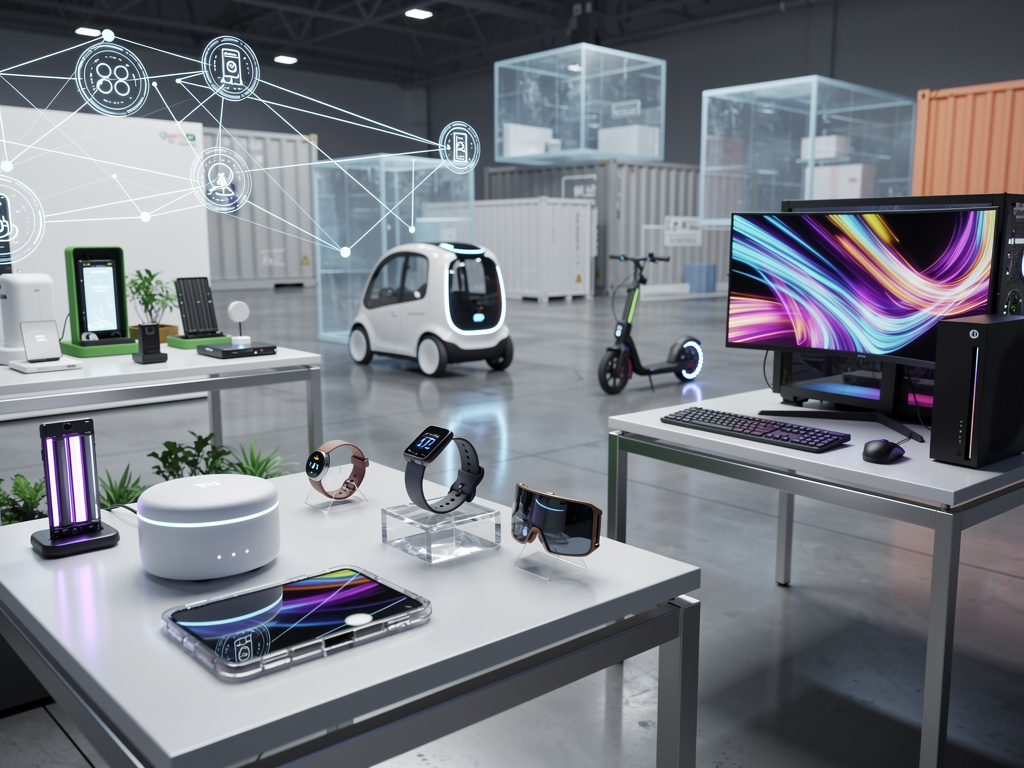
Unveiling the Gadgets of Tomorrow: CES 2026’s Bold Leap into Future Tech
In the bustling halls of Las Vegas, CES 2026 has once again proven itself as the epicenter of technological innovation, drawing industry leaders, startups, and enthusiasts eager to glimpse what’s next. This year’s show, held earlier this month, showcased a plethora of devices and concepts that promise to redefine daily life, from AI-infused home appliances to groundbreaking advancements in personal mobility. Drawing from firsthand reports and expert analyses, the event highlighted how companies are pushing boundaries in response to evolving consumer demands and global challenges.
One standout theme was the integration of artificial intelligence into everyday gadgets, making them smarter and more intuitive. For instance, several exhibitors unveiled home assistants that not only respond to voice commands but also anticipate user needs through predictive algorithms. This shift reflects a broader trend where AI is no longer a novelty but a core component of product design, aiming to enhance efficiency and personalization.
Beyond AI, sustainability took center stage, with numerous prototypes emphasizing eco-friendly materials and energy-efficient technologies. Electric vehicles and renewable energy solutions were prominent, underscoring the industry’s commitment to combating climate change. Attendees noted how these innovations are not just conceptual but ready for near-term market entry, signaling a maturing focus on responsible tech development.
AI’s Expanding Role in Consumer Devices
Reports from the show floor indicate that AI-driven wearables have evolved significantly, offering health monitoring capabilities that rival medical-grade equipment. These devices use advanced sensors to track vital signs in real-time, providing users with actionable insights. According to coverage in Engadget, one award-winning wearable integrates machine learning to detect irregular heart rhythms with unprecedented accuracy, potentially saving lives through early intervention.
The automotive sector also saw AI innovations, with self-driving features becoming more sophisticated. Concept cars demonstrated enhanced navigation systems that adapt to traffic patterns and weather conditions autonomously. This builds on previous years’ advancements, but CES 2026 emphasized seamless integration with smart city infrastructures, hinting at a future where vehicles communicate directly with urban environments.
Moreover, gaming technology received a boost with AI-enhanced graphics processors that render hyper-realistic environments. These chips, showcased by leading manufacturers, promise to blur the lines between virtual and real worlds, appealing to both gamers and professionals in fields like architecture and film production. The enthusiasm around these reveals suggests a rapid acceleration in processing power, driven by competitive pressures in the semiconductor industry.
Sustainable Tech Takes the Spotlight
Sustainability efforts were evident in the proliferation of gadgets made from recycled materials, reducing electronic waste. One notable example is a line of smartphones constructed with biodegradable components, which could minimize the environmental impact of frequent upgrades. Insights from Engadget’s roundup highlight how these devices maintain high performance while adhering to green standards, challenging the notion that eco-friendliness compromises quality.
Energy storage solutions also advanced, with new battery technologies promising longer life spans and faster charging times. Posts on X from tech enthusiasts, such as those discussing silicon-carbon batteries for upcoming smartphones, align with show demonstrations where prototypes achieved nearly 600 km of range on a 10-minute charge. This innovation, as noted in various online discussions, could revolutionize electric vehicles and portable electronics alike.
In the realm of home appliances, solar-powered gadgets emerged as a key trend, integrating photovoltaic cells into everything from kitchen tools to outdoor lighting. These products not only cut down on electricity bills but also promote energy independence, especially in regions prone to power outages. The convergence of sustainability and smart tech here illustrates how CES 2026 is addressing real-world issues like energy scarcity.
Breakthroughs in Personal Mobility and Health
Personal mobility devices stole the show with electric scooters and bikes featuring adaptive suspension systems that adjust to terrain in real-time. These enhancements improve safety and comfort, making urban commuting more accessible. Drawing from X posts about stair-climbing robot vacuums and futuristic foldables, the event showcased how mobility tech is becoming more versatile, catering to diverse user needs from city dwellers to adventure seekers.
Health tech innovations extended beyond wearables to include diagnostic tools embedded in household items. Smart mirrors that analyze skin conditions and provide skincare recommendations were a hit, leveraging AI for personalized advice. According to Engadget’s live updates, these mirrors use advanced imaging to detect early signs of health issues, bridging the gap between consumer tech and preventive medicine.
Telemedicine devices also advanced, with portable kits enabling remote consultations with high-fidelity audio and video. This development is particularly timely, as global health concerns continue to emphasize virtual care. The integration of secure, encrypted communication in these gadgets addresses privacy worries, ensuring user data remains protected amid growing cyber threats.
Entertainment and Gaming Evolutions
The entertainment sector buzzed with announcements of next-generation displays, including RGB micro-LED TVs that offer vibrant colors and energy efficiency. These screens, as detailed in X threads on consumer tech trends, promise immersive viewing experiences without the drawbacks of traditional OLEDs, such as burn-in. CES 2026 demonstrated prototypes with modular designs, allowing users to customize screen sizes for different spaces.
Gaming peripherals evolved with haptic feedback systems that provide tactile sensations synchronized with on-screen action. One innovative controller uses variable resistance to simulate textures, enhancing immersion in virtual reality. Coverage from WIRED notes how these advancements are making gaming more accessible to casual players while satisfying hardcore enthusiasts.
Virtual reality headsets saw improvements in resolution and comfort, with lighter designs reducing user fatigue during extended sessions. Exhibitors showcased ecosystems where VR integrates with augmented reality for hybrid experiences, applicable in education and training. This fusion points to a future where digital and physical realms coexist seamlessly, transforming how we learn and interact.
Challenges and Ethical Considerations
Despite the excitement, CES 2026 wasn’t without its critiques, particularly regarding data privacy in an era of pervasive AI. Experts raised concerns about how these intelligent devices collect and process personal information, urging for stronger regulations. Discussions on X highlighted potential vulnerabilities, echoing broader debates on ethical AI deployment.
Supply chain issues also loomed, with some exhibitors acknowledging delays due to global semiconductor shortages. This reality check tempered the optimism, reminding attendees that bringing innovations to market requires navigating complex logistical hurdles. Insights from Reuters Technology News underscore how geopolitical tensions are influencing tech production, affecting everything from chip manufacturing to raw material sourcing.
Furthermore, accessibility remained a focal point, with calls for inclusive design that accommodates users with disabilities. Several prototypes incorporated voice navigation and adaptive interfaces, but advocates pushed for more comprehensive standards. This emphasis reflects a growing awareness that true innovation must be equitable, ensuring benefits reach all segments of society.
The Road Ahead for Tech Integration
Looking forward, the innovations at CES 2026 suggest a trajectory where technology becomes more embedded in daily routines, from smart homes to connected cities. Prototypes of integrated ecosystems, where devices communicate effortlessly, promise convenience but also raise questions about interoperability standards. Industry insiders predict that collaborations between tech giants will be crucial to avoid fragmented markets.
Investment in research and development is surging, as evidenced by announcements of partnerships aimed at accelerating breakthroughs. For example, joint ventures in quantum computing hint at computational leaps that could solve complex problems in fields like drug discovery. Posts on X from analysts like those from SamMobile discuss how these collaborations might lead to revolutionary products by 2027.
Consumer adoption will be key, with marketing strategies focusing on demonstrating tangible benefits. As gadgets become more sophisticated, education on their use will be essential to maximize value. The show’s emphasis on user-friendly interfaces aims to bridge the gap between cutting-edge tech and everyday consumers, fostering widespread acceptance.
Innovators Pushing Boundaries
Startups played a pivotal role, introducing disruptive ideas that challenge established players. One such company unveiled a wearable that translates sign language into speech in real-time, promoting inclusivity. This invention, praised in Gadgets 360, exemplifies how niche innovations can have broad societal impacts, potentially transforming communication for the deaf community.
Established firms countered with bold updates to flagship lines, such as revived laptop series with enhanced performance. Drawing from X updates on Dell’s XPS revival, these refreshes incorporate the latest processors and displays, catering to professionals seeking reliability and power. The competition between newcomers and veterans fuels rapid progress, benefiting end-users.
International participation enriched the event, with exhibitors from Asia showcasing advancements in robotics and automation. Concepts like AI companions for the elderly address demographic shifts in aging populations, blending technology with social care. This global perspective underscores CES’s role as a melting pot of ideas, driving cross-cultural innovation.
Market Implications and Future Projections
Economically, the unveiled technologies could stimulate growth in sectors like manufacturing and services. Analysts project that AI and sustainability-focused products will capture significant market share, driven by consumer preferences for ethical brands. Reports from Engadget News + Next podcast discuss how these trends might influence stock performances, advising investors to watch emerging players.
Regulatory landscapes are evolving in tandem, with governments scrutinizing data practices and environmental claims. CES 2026 sessions on policy highlighted the need for balanced frameworks that encourage innovation without stifling it. This dialogue is crucial as tech integrates deeper into society, ensuring advancements align with public interests.
Ultimately, the event painted a vivid picture of a future where technology enhances human capabilities while addressing planetary challenges. As prototypes transition to products, the coming year will test their viability, shaping the direction of the industry for decades to come. With ongoing developments, the innovations from CES 2026 are set to redefine our interaction with the world around us.


 WebProNews is an iEntry Publication