
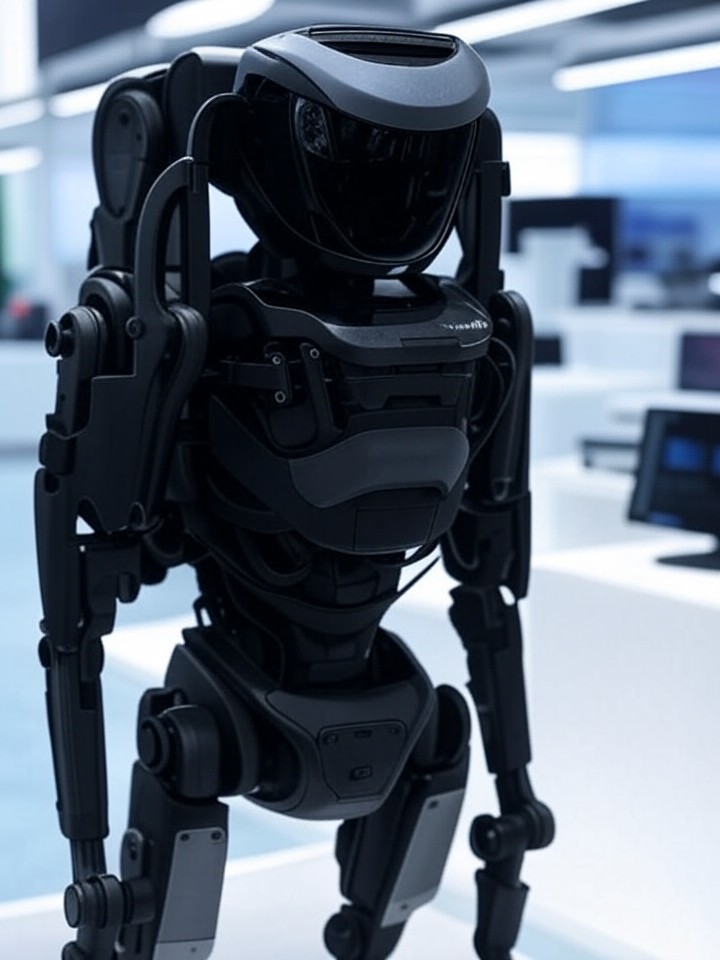
Power Suits Reimagined: Inside the Exoskeleton Boom at CES 2026
At the sprawling Las Vegas Convention Center, where the world’s tech elite gather each year for the Consumer Electronics Show, exoskeleton technology stole the spotlight in 2026. These wearable robotic devices, once confined to science fiction and industrial warehouses, are now edging into everyday consumer life. From aiding hikers on rugged trails to assisting seniors with mobility, the latest models promise to augment human strength and endurance in ways that could reshape daily activities. But as I navigated the crowded halls, trying on prototypes and chatting with engineers, it became clear that this emerging field is as much about overcoming engineering hurdles as it is about market readiness.
The buzz around exoskeletons at CES 2026 built on years of incremental progress. Exhibitors showcased devices that integrate artificial intelligence, lightweight materials, and modular designs, aiming to make them accessible beyond niche applications like rehabilitation or heavy labor. One standout was the VIATRIX™ Range Extended Powered Exoskeleton, which earned accolades for its extended battery life and ergonomic fit, as highlighted in the official CES Innovation Awards page on CES.tech. This model exemplifies how companies are pushing boundaries to create suits that feel less like cumbersome machinery and more like natural extensions of the body.
Industry insiders note that the surge in exoskeleton displays—19 booths dedicated to wearable robotics, according to a guide from Exoskeleton Report—signals a maturation of the sector. Startups and established firms alike are betting on consumer adoption, driven by aging populations and a growing interest in personal augmentation. Yet, questions linger about affordability and real-world utility, themes that echoed through panel discussions and demo sessions.
Evolution from Industrial Roots to Consumer Appeal
Exoskeletons have evolved significantly since their early days in military and manufacturing settings. At CES 2026, the focus shifted toward consumer-oriented models, with innovations like modular components that allow users to customize assistance for specific body parts. For instance, the Ascentiz modular exoskeleton, unveiled with swappable hip and knee modules offering up to 20 km of assisted range, was a hot topic in tech circles. Coverage from Tech for Travel detailed its 900 W burst motor, emphasizing how such features could transform outdoor activities like hiking.
Hands-on experiences revealed both promise and pitfalls. Slipping into one suit, I felt the subtle boost as motors kicked in to support my strides, reducing fatigue on a simulated incline. This aligns with insights from a Lifehacker piece where the author tested six consumer exoskeletons, noting their potential for everyday use but expressing doubts about high price points hindering widespread adoption. The devices ranged from full-body suits to targeted braces, each leveraging sensors to anticipate user movements.
Medical applications also drew attention, with experts discussing how exoskeletons are bridging gaps in rehabilitation. A conversation with a specialist at the show mirrored points from the same Lifehacker article, highlighting advancements in pediatric and gait-assistance models that have won CES awards in recent years. These developments underscore a broader trend: exoskeletons are no longer just tools for the able-bodied seeking enhancement but vital aids for those with mobility impairments.
AI Integration and Human-Machine Synergy
Artificial intelligence is the secret sauce propelling exoskeletons forward. At CES, demos featured AI-driven systems that learn from user patterns, adjusting torque and support in real time. The XTAND AI dynamic knee brace, weighing just 57 grams with an exoskeleton add-on under 1.8 kg, was praised for its “inside-out” fusion of human and machine, as shared in posts on X from tech enthusiasts. This lightweight approach contrasts with bulkier predecessors, making it feasible for prolonged wear.
Market analyses predict robust growth. A report on the industrial exoskeletons sector from OpenPR forecasts emerging opportunities through 2026, driven by trends in automation and worker safety. Similarly, rehabilitation-focused models are set to surge, with another OpenPR analysis projecting accelerated expansion in intelligent exoskeleton robots by 2032. These forecasts suggest that CES 2026 could mark a tipping point, where prototypes transition to scalable production.
Challenges remain in balancing power with portability. Battery life, a perennial issue, saw improvements in models like the Hypershell Carbon X, which allows users to walk and run faster, as featured in a segment on TODAY. Yet, insiders whisper about the need for breakthroughs in energy density to make these devices truly ubiquitous.
Consumer Sentiment and Real-World Testing
Public reaction on social platforms like X painted a picture of excitement mixed with skepticism. Posts marveled at suits that “walk to you” and fit autonomously, such as KAIST’s smart walking suit, which garnered thousands of views for its lifelike mobility assistance. Others highlighted exoskeletons enabling paralyzed individuals to stand and move, drawing parallels to superhero tech. This sentiment echoes broader media coverage, where AFP News Agency noted exoskeletons shedding their sci-fi image to become mainstream consumer devices.
In-depth testing at CES revealed usability insights. One journalist’s account of donning multiple suits emphasized the “sim-to-real” gap—the disconnect between simulated performance and actual application—as seen in X posts from attendees. Risks like over-reliance on AI assistance were debated, with concerns about muscle atrophy if users become too dependent.
Pricing emerged as a critical barrier. With many models costing thousands of dollars, as critiqued in the Lifehacker trial, affordability is key to mass appeal. Companies are responding with subscription models or modular upgrades, but insiders argue that costs must drop below $1,000 for true penetration into consumer markets.
Regulatory Hurdles and Ethical Considerations
Navigating regulations is another layer of complexity. Medical exoskeletons must clear FDA hurdles, a process that slows innovation but ensures safety. At CES, panels discussed harmonizing standards across consumer and therapeutic uses, with references to past awards in digital health categories bolstering credibility.
Ethically, the augmentation debate heats up. Will exoskeletons exacerbate inequalities, available only to those who can afford them? Industry voices, including those from Forbes in a 2025 recap carried over to 2026 discussions, stress inclusive design to address this. The shift toward “invisible tech,” as outlined in a Loft Design insights piece, aims for seamless integration that democratizes access.
Global competition is fierce. Asian innovators like KAIST and Angel Robotics are leading with autonomous docking systems, while U.S. firms focus on AI sophistication. This rivalry fosters rapid advancements, but collaboration could accelerate standards and interoperability.
Future Trajectories in Wearable Robotics
Looking ahead, exoskeletons could integrate with other wearables, creating ecosystems for health monitoring and performance tracking. Imagine a suit that syncs with smartwatches to optimize workouts or alert users to strain, building on CES 2026’s emphasis on interconnected tech.
Investment is pouring in, with venture capital eyeing the sector’s potential. Market reports from OpenPR on rehabilitation robots predict double-digit growth, fueled by an aging demographic and rising chronic conditions. This optimism was palpable at the show, where startups pitched to investors amid flashing demos.
Yet, sustainability concerns loom. The environmental impact of producing these high-tech devices, from rare earth materials to electronic waste, demands attention. Forward-thinking companies are exploring recyclable components, a topic that surfaced in informal CES chats.
Industry Voices Shaping the Narrative
Conversations with developers revealed a consensus: exoskeletons must prioritize user comfort to succeed. One engineer likened the ideal suit to “a second skin,” echoing sentiments in a CNET recap of CES 2026 highlights on CNET. This human-centric approach is crucial for adoption.
Critics, however, caution against hype. The Lifehacker hands-on experience concluded that while impressive, these devices aren’t yet primed for mainstream use due to cost and refinement needs. Balancing innovation with practicality will define the next phase.
As CES 2026 wrapped, the exoskeleton sector stood at a crossroads. With prototypes evolving into polished products, the coming years could see these power suits becoming as common as fitness trackers. For industry watchers, the real test lies in translating show floor excitement into everyday reality, paving the way for a future where human potential is mechanically unbound.


 WebProNews is an iEntry Publication