
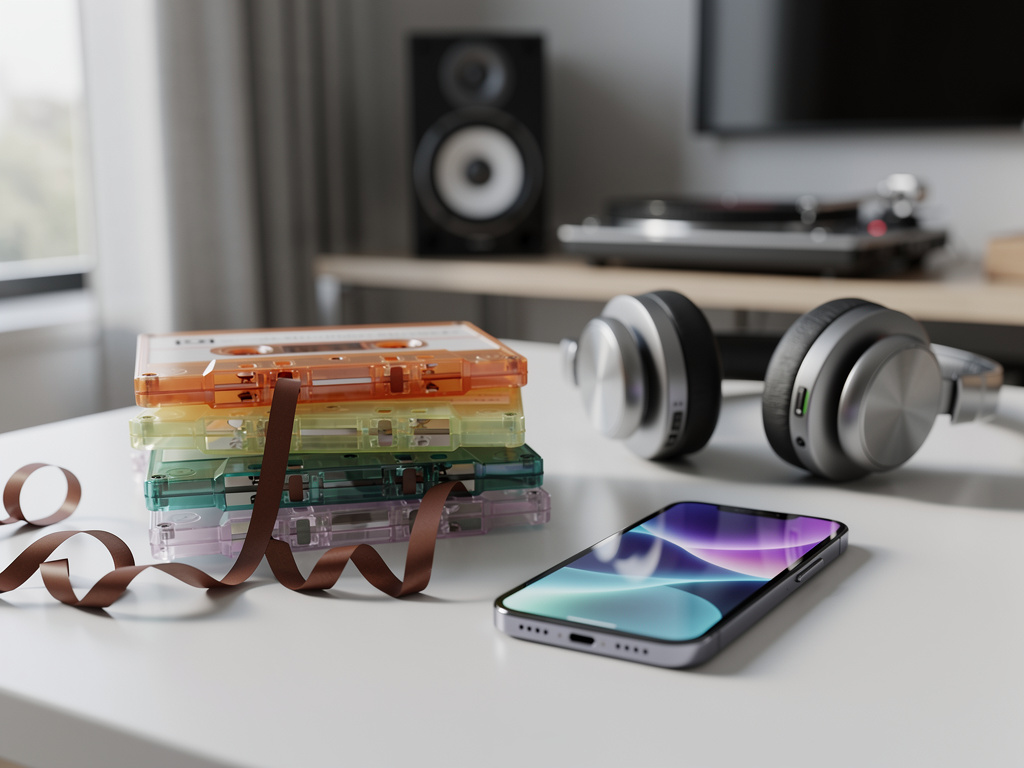
Rewinding the Future: Cassette Tapes Stage an Unlikely Analog Renaissance
In an era dominated by seamless streaming and high-fidelity digital audio, a relic from the past is clawing its way back into the cultural spotlight. Cassette tapes, those compact plastic cartridges once synonymous with mix tapes and portable Walkmans, are experiencing a surprising resurgence. Sales figures from recent years show a marked uptick, with artists and labels embracing the format not just for nostalgia but as a deliberate counterpoint to the intangible nature of modern music consumption. This revival isn’t merely a fleeting trend; it’s a multifaceted movement driven by collectors, independent musicians, and a generational shift toward tangible media.
The numbers tell a compelling story. According to data compiled by industry trackers, cassette sales in the U.S. have surged by over 20% annually in recent periods, echoing the vinyl boom but with its own unique appeal. Unlike vinyl’s audiophile prestige, cassettes offer affordability and portability, making them accessible for emerging artists who can’t afford pricier pressings. Indie bands, in particular, are releasing limited-edition tapes, often bundled with digital downloads, to foster a sense of exclusivity and community among fans.
This comeback is fueled by a blend of cultural nostalgia and technological rebellion. Younger listeners, especially those in their teens and twenties, are drawn to the analog warmth and the ritual of handling physical media—flipping the tape, fast-forwarding with a pencil, or curating personal playlists. It’s a tactile escape from the algorithm-driven playlists of services like Spotify, where music feels ephemeral. As one music executive noted, cassettes represent “a middle ground between the commitment of vinyl and the disposability of streaming.”
The Roots of Revival in Indie Scenes
The indie music sector has been a hotbed for this tape renaissance. Platforms like Bandcamp report a spike in cassette releases, with artists using the format to build grassroots followings. For instance, small labels are pressing runs of 100 to 500 tapes, which sell out quickly at shows or online. This mirrors the DIY ethos of the 1980s punk and hip-hop scenes, where cassettes democratized music distribution. Today, it’s empowering a new wave of creators who view tapes as an artistic statement against mass-produced digital content.
Beyond music, the trend extends to spoken word and experimental audio. Podcasts and sound artists are experimenting with cassette releases, tapping into the format’s lo-fi charm. One notable example is the resurgence of “cassette zines,” where creators distribute audio essays or field recordings on tape, blending old-school media with contemporary storytelling. This innovation highlights how cassettes are evolving beyond mere playback devices into cultural artifacts.
Critics argue that the revival is more marketing gimmick than genuine shift, pointing to the format’s inherent flaws like tape hiss and degradation. Yet proponents counter that these imperfections add character, much like the crackle of vinyl. In fact, some modern cassette players incorporate Bluetooth connectivity, bridging analog nostalgia with digital convenience, thus appealing to tech-savvy consumers who want the best of both worlds.
Nostalgia Meets Modern Marketing
Major artists are jumping on the bandwagon, lending mainstream credibility to the trend. Taylor Swift and Billie Eilish have released albums on cassette, with limited editions fetching premium prices on resale markets. According to reports from The New Daily, these releases are not just novelties; they’re strategic moves to engage fans through collectible merchandise. Swift’s “Folklore” on tape, for example, sold out in hours, underscoring the format’s allure in an oversaturated merch environment.
The economic angle is equally intriguing. Manufacturing costs for cassettes are lower than vinyl, allowing smaller operations to thrive. Factories in places like France and the U.S. have ramped up production, with one Normandy-based plant doubling output to meet demand, as detailed in posts found on X. This resurgence has even sparked interest in vintage equipment, with eBay listings for Walkman players soaring. Collectors are scouring attics for rare tapes, some of which now command hundreds of dollars—think pristine copies of Prince’s “Purple Rain” or early hip-hop mixtapes.
Gen Z’s role cannot be overstated. Social media platforms buzz with unboxing videos and tape-deck restorations, turning what was once obsolete into a badge of cool. An ABC News feature highlighted how this demographic, weary of digital fatigue, embraces cassettes for their offline authenticity. It’s a form of rebellion against the always-on culture, where owning a physical copy means curating your own listening experience without ads or interruptions.
Technological Twists and Innovations
Innovation is keeping the format fresh. Companies like Tape Lab are producing high-quality blank tapes and custom dubbing services, catering to both hobbyists and professionals. Their blog on Tape Lab explores how advancements in magnetic tape technology have improved sound fidelity, countering old criticisms of poor quality. Meanwhile, artists are experimenting with cassette loops for live performances, creating immersive soundscapes that blend retro vibes with cutting-edge production.
On the scientific front, breakthroughs in data storage are drawing parallels to cassettes. Researchers have developed DNA-based “tapes” capable of archiving vast amounts of information, as reported in Earth.com. While not directly related to audio, this innovation underscores the enduring metaphor of the cassette as a compact, durable medium—potentially inspiring future hybrid formats.
The collector’s market is booming too. A study from Headphonesty reveals a 1,000% price surge for rare tapes, driven by demand from enthusiasts. This has led to a secondary economy where tapes from the ’80s and ’90s are valued like fine art, with authentication services emerging to verify authenticity and condition.
Global Perspectives and Cultural Impact
Internationally, the trend varies by region. In Europe, France’s cassette scene is thriving, with boutiques in Paris specializing in retro audio gear, as noted in X posts referencing local media. Asia sees similar enthusiasm, particularly in Japan, where Sony’s legacy with the Walkman fuels ongoing interest. In developing markets, cassettes remain practical due to their low cost and resilience in areas with unreliable electricity, providing a bridge to music access where streaming infrastructure lags.
Culturally, this revival speaks to broader themes of sustainability and anti-consumerism. Cassettes encourage reusing and recycling, with enthusiasts repairing old decks rather than buying new gadgets. Environmental advocates praise the format for its lower carbon footprint compared to constant server-based streaming, aligning with a growing eco-conscious consumer base.
Challenges persist, however. Supply chain issues for tape materials have caused shortages, and not all modern devices support playback without adapters. Yet, these hurdles are spurring creativity, like apps that simulate cassette interfaces for digital libraries, blending old and new seamlessly.
Industry Voices and Future Trajectories
Insiders from the music business offer varied takes. Eddie Trunk, a radio host, has expressed skepticism about cassettes outpacing CDs, yet acknowledges the irony in their parallel comebacks, as seen in archived X discussions. Conversely, academics like those writing for The Conversation argue it’s a full-blown revival, driven by the format’s fragility and inconvenience, which paradoxically enhance its appeal in a polished digital world.
Looking ahead, the cassette’s future may lie in niche markets. With vinyl sales stabilizing, tapes could carve out a space for experimental and underground music. Labels are exploring augmented reality integrations, where scanning a tape’s artwork unlocks bonus digital content, further hybridizing the experience.
Retailers are adapting too. Chains like Urban Outfitters stock new cassette players alongside tapes, capitalizing on the trend’s visibility. As one retailer told Manchester Evening News, dusty collections in homes could be worth fortunes, encouraging a wave of attic raids and estate sales.
Economic Ripples and Collector Communities
The economic impact extends to job creation in manufacturing and restoration. Small businesses specializing in tape duplication report backlogs, while online forums like Reddit’s r/cassetteculture buzz with tips on maintenance and sourcing. A thread from that community, as referenced in web discussions, debates whether cassettes will match vinyl’s staying power, with users sharing stories of rediscovering family mixtapes.
For artists, cassettes offer a low-barrier entry to physical releases. Emerging bands can produce tapes at a fraction of vinyl costs, using them as promotional tools at gigs. This democratizes the industry, allowing diverse voices to bypass major label gatekeepers.
In education, cassettes are finding new life. Schools use them to teach audio engineering basics, emphasizing analog principles in a digital curriculum. This hands-on approach fosters appreciation for media history, potentially inspiring the next generation of innovators.
Sustaining the Analog Wave
As the trend matures, questions arise about longevity. Will cassettes fade like other retro fads, or embed themselves in the music ecosystem? Evidence from This is Money suggests sustained growth, with album values quadrupling post-release. The key may be in balancing nostalgia with utility, ensuring tapes remain relevant beyond novelty.
Communities are pivotal here. Events like Cassette Store Day, modeled after Record Store Day, draw crowds to independent shops, fostering connections among fans. These gatherings celebrate the format’s communal aspect, from trading tapes to collaborative mixtape projects.
Ultimately, the cassette’s return reflects a deeper human yearning for tangibility in an increasingly virtual world. As streaming dominates revenue, physical formats like tapes provide artists with alternative income streams and fans with enduring mementos. Whether this renaissance endures or rewinds into obscurity, it’s clear that in 2025, the humble cassette is playing a fresh tune, reminding us that sometimes, the old ways hit just the right note.


 WebProNews is an iEntry Publication