
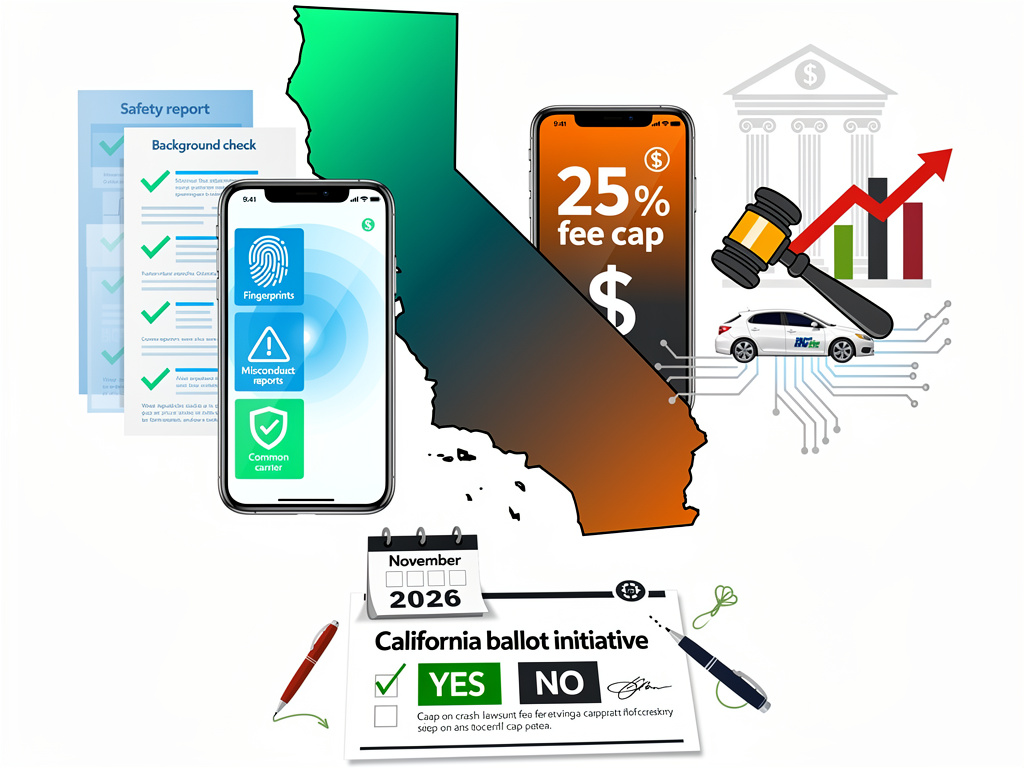
SAN DIEGO—Rideshare giants Uber Technologies Inc. and Lyft Inc. face a fresh challenge in California, where a proposed ballot initiative seeks to tighten safety protocols and heighten corporate accountability amid persistent concerns over passenger assaults and driver vetting. The measure, backed by trial lawyers, mandates annual fingerprint-based background checks for drivers and forces public disclosure of sexual misconduct complaints, according to a CBS 8 San Diego report.
“They have this sordid secret of the epidemic of sexual assault and sexual misconduct, and they don’t want to be held accountable for it,” said attorney Nicole Newman, highlighting the push for transparency. The initiative, known variably as the California Business Regulations for Rideshare Companies Initiative or Rideshare Company Public Accountability Act, would reclassify platforms as “common carriers,” akin to taxis and buses, imposing stricter duties of care.
Rideshare Firms’ Existing Safety Measures Under Fire
Proponent James C. Harrison, through Olson Remcho LLP, cleared the measure for signature collection on January 2, 2026, per the California Secretary of State. Supporters need 546,651 signatures by July 1, 2026, to qualify for November’s ballot. Uber responded cautiously: “It’s always important to know who your Uber driver is,” a spokesperson told CBS 8, without endorsing the plan.
The proposal arrives as Uber grapples with lawsuits alleging inadequate safety responses. A California state court bellwether found Uber negligent in safety but not liable, while federal trials probe similar claims. Consumer Attorneys of California (CAOC), funding the effort, views it as essential reform after Senate Bill 371 slashed uninsured motorist coverage from $1 million per incident effective January 1, 2026.
Counteroffensive: Uber’s Push to Curb Legal Fees
Uber isn’t passive. The company seeded “A More Affordable California, Sponsored by Uber” with $12 million to back a rival November 2026 measure capping contingency fees at 25% in crash lawsuits and pegging medical recoveries to Medicare rates, reports the Sacramento Bee. Proponents claim it combats “predatory” lawyers; critics like CAOC decry it as shielding corporations from victims.
“This would undermine injured victims’ access to justice,” said opponents in a Streetsblog California analysis, noting CAOC’s $30 million counter-campaign with three initiatives, including one voiding Uber’s if both qualify. Law professors Nora Freeman Engstrom of Stanford and Brianne Holland-Stergar of Montana warn caps deter attorneys from tough cases reliant on contingency fees.
Signature Drive Accelerates Amid Litigation Heat
Harrison’s initiative explicitly voids waivers limiting company liability, making Uber and Lyft answerable for driver negligence as common carriers. Fiscal impacts include millions in added court costs and California Public Utilities Commission fees on platforms. Lyft declined comment to CBS 8, but the duel echoes Proposition 22’s $200 million 2020 battle, where voters upheld contractor status.
Recent laws like AB 1340 grant union rights to 800,000 drivers starting 2026, yet safety gaps persist. X posts from users like @drivingjustice amplify the CBS 8 story, urging balanced debate. As petitions circulate, California’s rideshare wars test voter priorities on protection versus affordability.
Broader Liability Shifts Reshape Operations
Proposition 22 mandated background checks and harassment policies, but critics argue enforcement lags. The new measure demands annual fingerprints and misconduct reports, addressing vetting lapses in assault cases. Consumer Watchdog labels Uber’s fee cap “a license to kill,” tying it to robotaxi ambitions that could evade full payouts.
With deadlines looming, both sides gear for multimillion-dollar ad blitzes. Harrison’s dual filings—25-0028A1 on liability and 25-0029A1 on assaults—signal comprehensive assault on platforms’ defenses. Voters will decide if heightened standards prevail over cost controls.


 WebProNews is an iEntry Publication