
Tesla’s Autonomy Illusion: How a California Ruling Shattered the Hype Machine
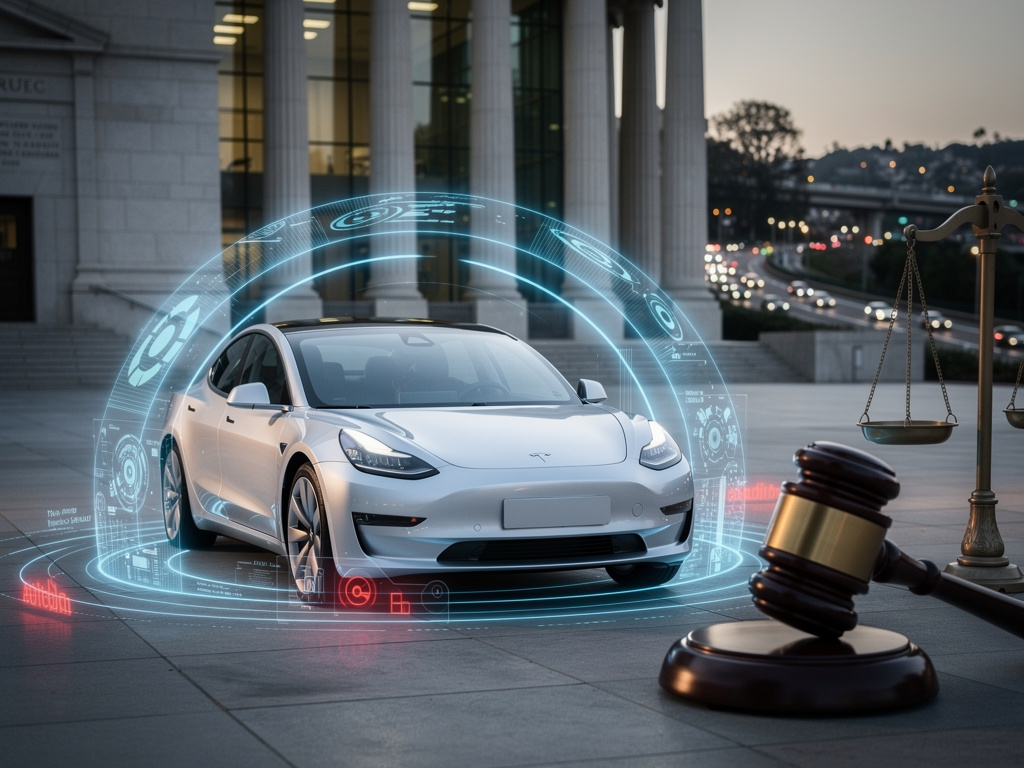
In a landmark decision that could reshape how automakers market advanced driver-assistance systems, a California administrative law judge has ruled that Tesla Inc. engaged in deceptive practices when promoting its Autopilot and Full Self-Driving features. The ruling, issued this week, accuses the electric vehicle giant of misleading consumers by suggesting its vehicles could operate autonomously without human intervention, a capability they do not possess. This comes amid growing scrutiny of Tesla’s ambitious claims about self-driving technology, which have long been a cornerstone of CEO Elon Musk’s vision for the company.
The case originated from complaints filed with California’s Department of Motor Vehicles (DMV), which alleged that Tesla’s marketing materials overstated the abilities of Autopilot and Full Self-Driving (FSD). According to the judge’s findings, Tesla’s use of terms like “Autopilot” and “Full Self-Driving” created a false impression that the systems could handle all driving tasks independently. In reality, both features require constant driver attention and are classified as Level 2 systems under the Society of Automotive Engineers’ standards, meaning they assist with steering, acceleration, and braking but demand human oversight.
The implications of this ruling extend beyond mere semantics. The judge recommended a 30-day suspension of Tesla’s license to manufacture and sell vehicles in California, the company’s home state and a critical market representing about 10% of its U.S. sales. However, the DMV has granted Tesla a 90-day stay to address the issues, potentially avoiding the penalty if the company revises its marketing language and renames the features to better reflect their limitations.
The Road to Regulatory Reckoning
Tesla’s journey to this point has been paved with bold promises and regulatory pushback. Elon Musk has repeatedly touted FSD as a game-changer, predicting it would enable robotaxis and generate massive revenue. Yet, incidents involving Autopilot, including fatal crashes, have drawn investigations from federal agencies like the National Highway Traffic Safety Administration (NHTSA). The California ruling builds on these concerns, highlighting specific instances where Tesla’s website and promotional videos depicted vehicles navigating complex scenarios without driver input, which the judge deemed misleading.
Drawing from recent coverage, CNBC reported that the administrative law judge found Tesla’s marketing “deceptive” and recommended the suspension, emphasizing the need for accurate representation to protect public safety. This echoes earlier admissions by Tesla’s own lawyers in correspondence with the DMV, where they acknowledged that FSD is not capable of full autonomy, as noted in a 2021 article from the Los Angeles Times.
Industry insiders point out that Tesla’s aggressive marketing strategy has set it apart from competitors like Waymo and Cruise, who have been more cautious in their claims. While Tesla relies on camera-based systems and over-the-air updates to improve FSD, critics argue this approach lacks the redundancy of lidar and radar used by others, potentially contributing to the gap between hype and reality.
Marketing Missteps and Consumer Impact
At the heart of the ruling are consumer testimonials and expert analyses that illustrate how Tesla’s language influenced purchasing decisions. Owners have reported believing their vehicles were closer to full autonomy than they actually were, leading to misuse and accidents. The judge cited examples from Tesla’s website, where phrases like “the system is designed to be able to conduct short and long distance trips with no action required by the person in the driver’s seat” were scrutinized and found wanting.
TechCrunch detailed the ruling’s nuances, noting that the DMV stayed the suspension for 90 days to allow compliance, as per their article. This grace period underscores the regulatory body’s preference for corrective action over immediate punishment, but it also signals a warning to the industry about the perils of overpromising on emerging technologies.
Furthermore, the decision aligns with global precedents. A 2020 ruling in Munich, Germany, found Tesla’s claims about autonomous capabilities misleading, banning certain advertisements there. Posts on X (formerly Twitter) from users like those referencing the California case reflect widespread sentiment, with many expressing frustration over perceived false advertising, though such social media commentary often mixes fact with opinion and should be viewed cautiously.
Elon Musk’s Vision Under Fire
Elon Musk’s role in amplifying these claims cannot be understated. Through his prolific X posts and public statements, Musk has positioned FSD as imminent, once tweeting that Tesla vehicles would appreciate in value due to their self-driving potential. This narrative has fueled Tesla’s stock valuation, but it has also attracted lawsuits from investors and regulators alleging fraud.
Electrek’s coverage highlights the urgency, stating that Tesla must fix its marketing within 60 days or face suspension, as outlined in their report. This timeline pressures Tesla to act swiftly, potentially involving renaming Autopilot to something less evocative, like “Advanced Driver Assistance,” to avoid implying hands-off operation.
For industry observers, this ruling exposes vulnerabilities in Tesla’s business model, which heavily relies on software upsells. FSD, priced at $8,000 to $12,000, has been a significant revenue stream, but deceptive marketing could erode consumer trust and invite class-action suits. Analysts estimate that resolving this could cost Tesla millions in rebranding and legal fees, not to mention lost sales if the suspension takes effect.
Broader Industry Ramifications
The California decision reverberates across the automotive sector, prompting other manufacturers to review their own marketing practices. Companies like Ford and General Motors, with systems such as BlueCruise and Super Cruise, emphasize driver monitoring and limitations more explicitly, potentially giving them an edge in regulatory compliance.
The Verge reported that the DMV ordered Tesla to rename Autopilot or face suspension, as detailed in their piece. This move could standardize terminology industry-wide, reducing confusion and enhancing safety. Experts suggest that clearer labeling might accelerate public adoption of these technologies by building realistic expectations.
Moreover, this ruling intersects with ongoing federal probes. The NHTSA has investigated over 30 crashes involving Autopilot, and the Justice Department is examining whether Tesla’s self-driving claims constitute securities fraud. Insiders speculate that a pattern of deceptive practices could lead to broader sanctions, affecting Tesla’s operations nationwide.
Tesla’s Response and Future Strategies
Tesla has yet to publicly detail its compliance plan, but sources indicate internal discussions about updating website content and owner manuals. A company spokesperson reiterated that Autopilot and FSD are designed to make driving safer, but emphasized the need for driver attentiveness. This stance aligns with past defenses, but the ruling demands more substantive changes.
Forbes noted the 60-day window for changes, warning of a potential sales ban in their analysis. Tesla might leverage its over-the-air update capability to notify owners of the features’ true capabilities, mitigating misinformation.
Looking ahead, this could force Tesla to accelerate actual advancements in autonomy to match its rhetoric. With competitors like Mercedes-Benz achieving Level 3 certification in some markets, Tesla faces pressure to evolve beyond Level 2. Industry insiders believe that transparent communication will be key to regaining credibility.
Public Sentiment and Market Reactions
Social media platforms like X have buzzed with reactions to the ruling, with posts ranging from support for stricter oversight to defenses of Tesla’s innovation. One thread on Reddit’s electric vehicles community, as captured in web discussions, garnered hundreds of comments debating the ethics of Tesla’s marketing, reflecting a divided public opinion.
Cryptopolitan covered the need for revised language, stating in their article that the judge ruled on deceptive wording. This sentiment is echoed in consumer forums, where owners express disappointment over unfulfilled promises of full autonomy.
Market-wise, Tesla’s shares dipped slightly following the news, but analysts view it as a minor setback in the company’s long-term trajectory. The ruling might even catalyze improvements, positioning Tesla as a leader in ethical tech deployment.
Navigating the Path Forward
As Tesla navigates this regulatory hurdle, the case serves as a cautionary tale for the tech-auto convergence. Balancing innovation with accountability is crucial, especially in an era where AI-driven systems promise to transform mobility.
La Voce di New York reported on the misleading practices in their piece, underscoring the judge’s findings. For insiders, this highlights the importance of aligning marketing with engineering realities.
Ultimately, the ruling could foster a more mature approach to autonomous vehicle development, benefiting consumers and the industry alike. Tesla’s ability to adapt will determine whether this becomes a speed bump or a defining pivot in its quest for self-driving dominance.


 WebProNews is an iEntry Publication