
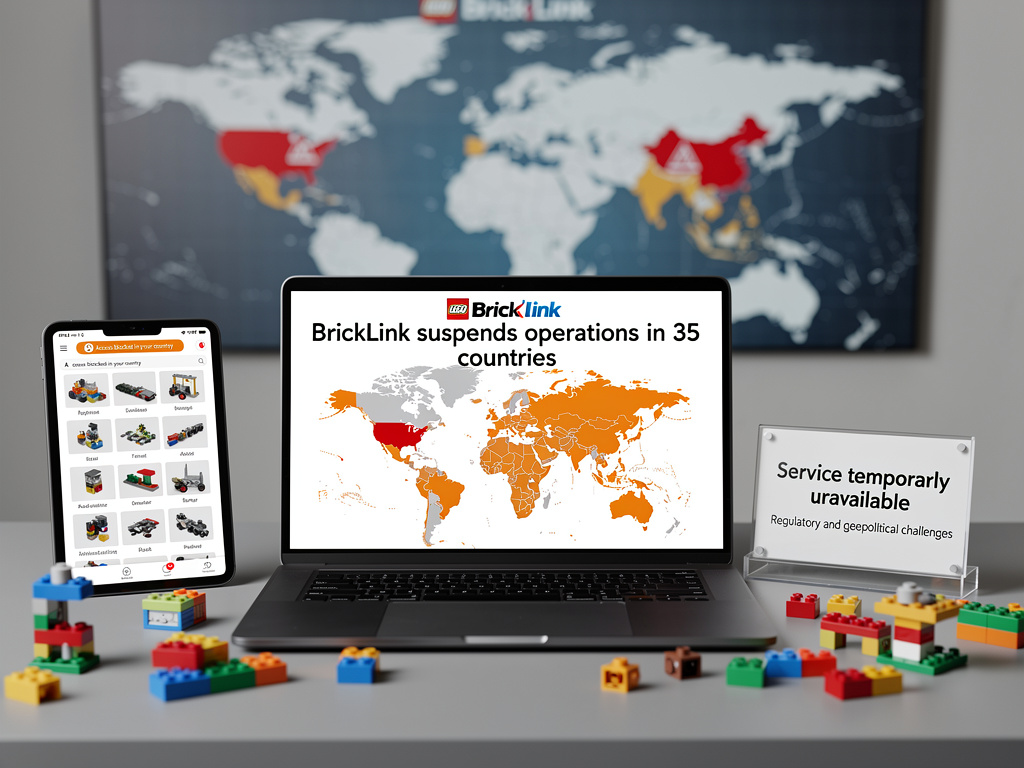
BrickLink’s Border Blockade: How LEGO’s Online Empire is Shrinking Amid Global Tensions
In a move that has sent shockwaves through the global LEGO enthusiast community, BrickLink, the premier online marketplace for LEGO parts and sets, announced it will suspend operations in 35 countries starting December 12, 2025. This decision, quietly posted on the platform’s forums, affects a diverse array of nations including Indonesia, Turkey, South Africa, Taiwan, Ukraine, Brazil, and others, cutting off buyers and sellers from one of the most vital hubs for LEGO trading. The announcement comes at a time when the LEGO Group, which acquired BrickLink in 2019, is navigating increasing complexities in international regulations and operational challenges.
The suspension means that users in these countries will no longer be able to buy or sell items on the marketplace, though they can still access other features like the catalog and Stud.io design software. According to the official statement, existing orders must be fulfilled by the deadline, after which all marketplace activities will cease. This has left many sellers scrambling to liquidate inventory and buyers rushing to complete purchases, highlighting the platform’s role as the lifeblood for LEGO aficionados worldwide.
Speculation abounds regarding the reasons behind this drastic step. Industry observers point to potential compliance issues with local laws, tax regulations, or even geopolitical tensions that make operations untenable. The LEGO Group has remained tight-lipped, offering only that the decision was “difficult” and aimed at ensuring sustainable operations elsewhere. This opacity has fueled frustration among users, many of whom rely on BrickLink for rare parts essential to custom builds.
The Acquisition’s Lingering Shadows
BrickLink’s journey under LEGO’s ownership has been anything but smooth. Acquired for an undisclosed sum in November 2019, the platform was intended to bolster LEGO’s digital presence and support the adult fan community. However, early changes sparked backlash, such as bans on modified parts and intellectual property-based custom instructions, as noted in historical discussions on social media. These moves were seen as LEGO imposing stricter controls to protect its brand.
More recently, technical glitches have plagued the site. In 2023, BrickLink suffered a major outage due to a suspected cybersecurity incident, as reported by teiss. The downtime lasted several hours, raising concerns about data security and operational reliability. This incident, combined with ongoing integration efforts like merging accounts with official LEGO profiles, has eroded user trust.
The current suspension builds on previous restrictions. In 2024, China was cut off, followed by the Philippines in 2025, according to coverage from HOTH BRICKS. These phased withdrawals suggest a pattern of retreating from markets where regulatory hurdles or low profitability make continuation challenging. Insiders speculate that staffing shortages in these regions, as mentioned in posts on X, exacerbate the issue, forcing LEGO to prioritize core markets.
Voices from the Community: Outrage and Adaptation
Reactions on social platforms have been swift and vocal. Users on X, formerly Twitter, expressed dismay, with one prominent LEGO content creator lamenting the decision as “heartbreaking” for store owners. Posts highlight the randomness of the country list, questioning why nations like India and Israel are included while others remain operational. Sentiment analysis from these discussions reveals a mix of anger and resignation, with many accusing LEGO of abandoning international fans.
For sellers in affected countries, the impact is profound. BrickLink serves as a primary income source for thousands of small businesses, from hobbyists flipping rare minifigures to professional resellers managing vast inventories. One Reddit thread, as echoed in X conversations, lists the banned countries and speculates on economic fallout, predicting a surge in alternative marketplaces or underground trading.
Buyers face similar woes. In regions with limited official LEGO availability, BrickLink fills critical gaps, providing access to discontinued sets and individual bricks. The suspension could drive up prices globally as supply chains disrupt, forcing enthusiasts to seek costlier or less reliable sources. Industry experts warn this might fragment the community, pushing users toward competitors like Brick Owl or even eBay, though none match BrickLink’s specialized ecosystem.
Economic Ripples in the LEGO Ecosystem
The broader implications extend to LEGO’s global strategy. As a Danish company with a massive international footprint, LEGO has long balanced expansion with compliance. The list of suspended countries includes emerging markets with growing middle classes and burgeoning LEGO interest, such as Brazil and South Africa. Cutting them off risks alienating a demographic that could fuel future growth.
Financially, BrickLink isn’t a major revenue driver for LEGO, which reported over $9 billion in sales in 2024. However, its value lies in community engagement and data insights into fan behaviors. By suspending operations, LEGO may be mitigating risks like tax evasion accusations or sanctions-related complications, especially in geopolitically sensitive areas like Ukraine and Taiwan.
Comparisons to other tech platforms abound. Similar to how streaming services geo-block content due to licensing, BrickLink’s move reflects the challenges of operating a global marketplace amid varying legal frameworks. Analysts draw parallels to e-commerce giants like Amazon, which have withdrawn from certain markets over regulatory disputes.
Historical Precedents and Future Uncertainties
Looking back, BrickLink’s history predates LEGO’s involvement. Founded in 2000 by Dan Jezek, it grew into a fan-driven haven before his untimely death in 2010. The 2019 acquisition promised stability but introduced corporate oversight that some say stifles the platform’s grassroots spirit. Past controversies, including the 2019 policy changes banning pre-release sales, as discussed in archived X posts, foreshadowed today’s restrictions.
Current news updates, including a YouTube video breakdown from a LEGO enthusiast channel, emphasize the short notice given—less than two weeks—calling it insufficient for affected users. Publications like Brick Fanatics describe the announcement as “quiet,” underscoring LEGO’s preference for low-key communication on sensitive matters.
Speculation on X points to potential cybersecurity concerns lingering from the 2023 hack. While not directly linked, the timing raises questions about whether enhanced security measures or data privacy laws in these countries contributed to the decision. LEGO’s official forums buzz with theories, from VAT compliance issues to anti-money laundering regulations.
Strategies for Survival: Alternatives and Innovations
In response, the community is adapting. Some sellers are migrating to regional platforms or social media groups for trading. X posts suggest a rise in VPN usage to bypass restrictions, though this violates terms of service and risks account bans. Others advocate for LEGO to reverse the decision or provide clearer rationales.
For LEGO, this could be an opportunity to refine its digital strategy. Investing in localized operations or partnerships might allow re-entry into these markets. Industry insiders note that competitors like Rebrickable, which focuses on building instructions, could gain traction by expanding marketplace features.
Long-term, the suspension highlights tensions between global ambitions and local realities. As e-commerce evolves, platforms must navigate a web of international laws, from data protection under GDPR-like rules to trade sanctions. LEGO’s move might set a precedent for other hobbyist marketplaces, signaling caution in volatile regions.
Industry Insights: Lessons from the Brick Wall
Experts in the toy and collectibles sector see this as symptomatic of broader challenges. The LEGO aftermarket, valued at billions annually, thrives on platforms like BrickLink. Disrupting it could suppress innovation in custom creations, a key driver of brand loyalty among adults.
Conversations on X and Reddit forums reveal fears of further contractions. If profitability dictates access, smaller markets might permanently lose out, concentrating power in established regions like North America and Europe. This could homogenize the global LEGO scene, diminishing cultural diversity in builds and collections.
Moreover, the decision underscores the pitfalls of corporate acquisitions in fan communities. When LEGO bought BrickLink, promises of minimal changes rang hollow as policies evolved. Today, users demand transparency, with petitions circulating online calling for detailed explanations.
Toward a Rebuilt Foundation
As December 12 approaches, the affected communities brace for change. Sellers are offering deep discounts to clear stock, while buyers stockpile essentials. The ripple effects may influence LEGO’s holiday sales, as international fans turn elsewhere.
In interviews with affected users, shared via X threads, stories emerge of livelihoods upended. A Brazilian seller described pivoting to local Facebook groups, while a South African enthusiast worried about accessing parts for educational projects. These personal narratives humanize the corporate decision.
Ultimately, BrickLink’s suspension in these 35 countries tests the resilience of the LEGO ecosystem. Whether it leads to innovation or further fragmentation remains to be seen. For now, the community holds its breath, hoping for a reversal or at least clearer communication from the toy giant.
Echoes of Past Disruptions
Reflecting on similar events, the 2023 cybersecurity scare, detailed in an update from Jay’s Brick Blog, exposed vulnerabilities. That incident prompted enhanced security, but questions linger if it influenced the current pullback.
News outlets like The Brick Fan report on the developing story, noting the list’s expansion from prior bans. This pattern suggests a strategic retreat rather than isolated decisions.
On X, influencers with large followings amplify the issue, drawing parallels to other corporate missteps in the collectibles world. The consensus? LEGO must engage more deeply with its global fanbase to rebuild trust.
Navigating Geopolitical Bricks
Geopolitics likely plays a role. Countries like Ukraine face ongoing conflicts, complicating logistics, while others like Taiwan navigate trade tensions. Suspending operations avoids entanglements in sanctions or export controls.
Economic factors, such as currency fluctuations and import duties, add layers. In high-inflation nations like Turkey, profitability erodes, making withdrawal appealing.
For insiders, this signals a shift toward consolidated operations, focusing on high-margin markets. Yet, it risks alienating emerging fanbases crucial for long-term growth.
Community Resilience and Future Builds
Despite the setback, the LEGO community’s ingenuity shines. Online forums buzz with workarounds, from proxy shipping to new apps mimicking BrickLink’s features.
Advocacy groups may push for policy changes, leveraging social media’s power. X posts indicate growing petitions, potentially pressuring LEGO.
In the end, this episode reminds us that even playful pursuits like LEGO building intersect with global business realities. As the platform contracts, the spirit of creation endures, brick by brick.


 WebProNews is an iEntry Publication