
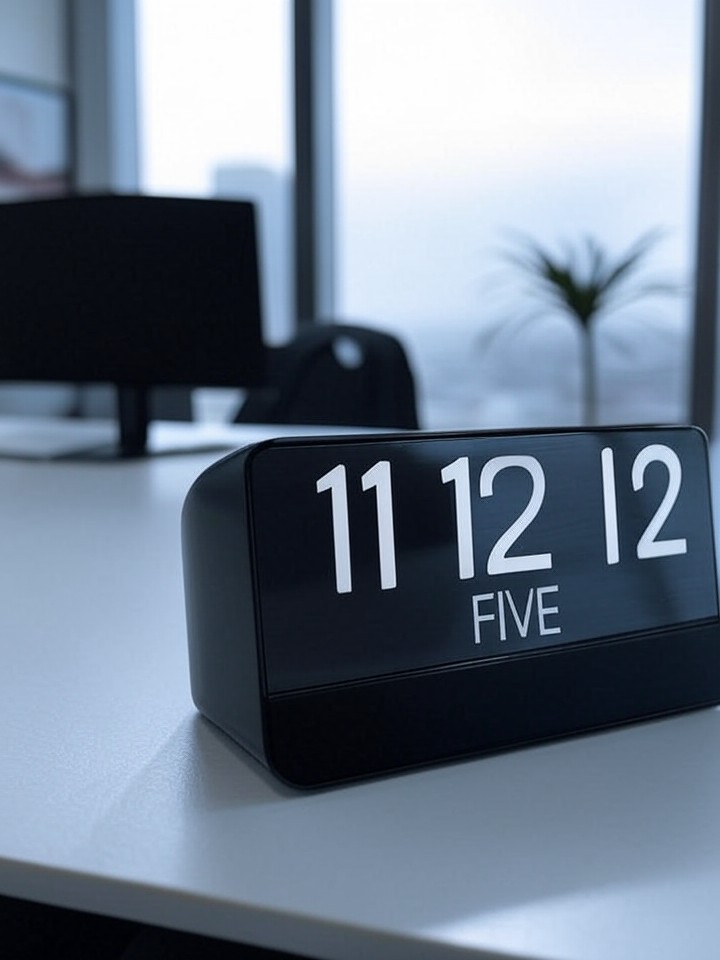
In the relentless pace of modern corporate life, where calendars are packed tighter than a rush-hour subway, a simple tweak is gaining traction among executives and teams seeking an edge: scheduling meetings to begin not on the hour, but five minutes past it. This seemingly minor adjustment, often dubbed the “five-minute offset,” promises to alleviate the mental fatigue of back-to-back sessions, foster punctuality, and ultimately boost overall output. Drawing from insights in a recent blog post by software engineer Philip O’Toole, who advocates for this practice in his piece “Start your meetings at 5 minutes past,” the idea is rooted in practical experience from high-pressure tech environments. O’Toole argues that ending meetings five minutes early creates a natural buffer, allowing participants to transition without the stress of overlapping commitments.
This approach isn’t just anecdotal; it’s backed by a growing body of research and real-world applications. For instance, a Harvard Business Review article from 2017, “Stop the Meeting Madness,” highlights how excessive meetings—averaging 23 hours per week for executives—erode solo work time essential for innovation. By offsetting start times, teams can reclaim those precious minutes for reflection or quick tasks, reducing the “chopped-up schedules” that interrupt deep focus. Similarly, a Medium post by Youssef Taghlabi, “Why Starting Meetings 5 Minutes Late is the Key to a More Productive Workplace,” posits that this shift respects human needs, cutting down on fatigue and enhancing engagement.
The mechanics are straightforward yet profound. Traditional scheduling pegs meetings at round hours—9:00 a.m., 10:00 a.m.—leading to a domino effect of overruns. If one session spills over by even a couple of minutes, the next participant arrives flustered, perpetuating a cycle of inefficiency. The five-minute offset counters this by building in a grace period, encouraging meetings to wrap up on time. As O’Toole notes in his post, this habit originated in his engineering teams, where precise time management is critical, and has since spread to broader professional circles.
The Psychological Edge of Offset Scheduling
Delving deeper, the psychological benefits reveal why this tactic resonates with industry insiders. Research from organizational behavior studies, including a Reddit thread on r/LifeProTips titled “LPT: To encourage people to arrive punctually at meetings, set them at ‘unusual’ times,” suggests that non-standard times like 10:05 a.m. create a sense of urgency. Participants perceive these slots as more deliberate, prompting better preparation and timeliness. This aligns with findings from a 2022 study referenced in posts on X (formerly Twitter), where users like management professor Ethan Mollick emphasized that late-starting meetings are less creative and productive, citing academic papers that show anticipation of delays hampers focus.
Moreover, in sectors like software development, where developers lament meeting overload—as seen in a Reddit discussion on r/ExperiencedDevs, “How am I supposed to get work done with so many meetings?“—the offset method offers relief. By starting at odd times, teams avoid the “meeting pileup” around the hour mark, allowing for uninterrupted blocks of deep work. Tools like Microsoft Outlook have even integrated features to automate this, as detailed in their support article “End meetings early or start late,” which lets users set buffers for meetings under or over an hour, adapting to varying durations.
Calendly users have echoed this demand, with a community forum post from 2024 asking “What is the status of the start meetings 5 min late feature?,” indicating widespread interest in built-in support. This reflects a broader shift toward mindful scheduling, where the goal isn’t just to fill time but to optimize it for human performance.
Real-World Implementations and Productivity Gains
Industry leaders are putting this into practice with measurable results. A Karbon resources article, “Shorter meetings are more productive. Here’s why,” argues that trimming session lengths—facilitated by offsets—leads to sharper discussions and better outcomes. For example, companies like those in tech hubs have reported reduced burnout, with employees using the five-minute gaps for bio breaks, quick emails, or mental resets, as shared in X posts from users like Janet Hughes, who noted decreased “Zoomerwhelm” after adopting 5-past starts.
Recent news underscores the timeliness of this strategy. An October 2025 piece from Archie, “Work Meetings in Numbers: Latest Meeting Statistics [2025],” reveals that workers waste significant time in unproductive gatherings, with averages climbing amid hybrid work. By contrast, a CNBC article from December 2025, “This simple change can help you have more effective meetings—and avoid unnecessary ones,” quotes organizational psychologist Steven Rogelberg on reevaluating meeting norms, including start times, to curb excess.
USA Today, in a late 2025 story “So many meetings, so little done. How one CEO is reclaiming his time,” profiles a CEO who slashed meeting durations by starting them offset, reclaiming hours for strategic thinking. This ties into broader habits of successful executives, as outlined in a Business Insider feature from early 2026, “We interviewed dozens of CEOs, leaders, and public figures. Here are 9 daily habits highly successful people have in common,” where “power hours” include deliberate buffers to maintain focus.
Integrating Offsets with Broader Time Management Strategies
To maximize impact, the five-minute offset pairs well with other tactics. A Guardian article from December 2025, “The perfect working day: how to get everything done – without getting stressed,” recommends combining it with list-making and walks to gain clarity. Similarly, an Inc. magazine piece from October 2025, “Science Says Every Meeting Should Always Start on Time (If You Want It to Actually Be Productive),” stresses punctuality, noting that offset times enforce it by design.
From a time management perspective, resources like the University of Georgia’s CAES Field Report, “Time Management: 10 Strategies for Better Time Management,” advocate for scheduling buffers as part of avoiding multitasking and procrastination. X posts from 2026, such as those by Alex Branford, highlight “mood arbitrage” in timing asks, suggesting offsets align with peak energy periods, like post-10 a.m. for affirmative decisions.
Critics, however, point out potential pitfalls. As Jen Gentleman noted in an X post, offsets can lead to meetings running over if not managed strictly, turning the buffer into an extension. Yet, proponents like O’Toole counter that with clear agendas and timekeeping, this risk diminishes.
Case Studies from High-Performing Teams
Examining specific implementations, consider tech firms where developers face constant interruptions. In O’Toole’s experience, as detailed in his blog, engineering teams at companies like those he’s worked with saw improved code quality after adopting offsets, as coders gained uninterrupted stretches for complex problem-solving. This echoes sentiments in X discussions, where Austen Allred praised open calendars with quick calls over rigid scheduling.
In executive suites, the practice extends to strategic sessions. A 2023 X post by Howard Lerman described Sunday night exec meetings, but adapting offsets could enhance even these by preventing fatigue. Recent 2026 X activity, including from Carpedia International, promotes five-minute huddles with fixed routines, amplifying efficiency when started offset.
Broader data from Hacker News shares in early 2026 X posts reinforce that starting at five past garners community buzz, with users linking it to productivity hacks. Ai_Ojukwu’s X insight on pre-meeting prep underscores how buffers allow for that crucial hour of preparation, equating to extra productive months annually.
Overcoming Resistance and Scaling the Practice
Adopting the five-minute offset isn’t without hurdles. Organizational inertia often favors traditional hours, requiring buy-in from leadership. As the Harvard Business Review piece warns, systemic change is key, not isolated fixes. Teams can start small, piloting in departments before company-wide rollout, using tools like Outlook’s auto-buffer to ease adoption.
Training plays a role too. Workshops on meeting etiquette, inspired by Rogelberg’s CNBC advice, can emphasize ending on time to honor the offset. Metrics from Archie’s 2025 statistics show that reducing meeting time by even 10% boosts output, providing data to justify the shift.
For global teams, time zones add complexity, but offsets can standardize transitions, as seen in hybrid setups discussed on Reddit. Ultimately, this method fosters a culture of respect for time, where every minute counts toward collective goals.
The Future of Meeting Optimization
Looking ahead, as work evolves with AI and remote tools, the five-minute offset could integrate with emerging tech. Imagine AI schedulers automatically suggesting odd times based on participant energy patterns, building on Calendly’s community requests.
Evidence from Inc.’s science-backed article suggests that on-time starts, enabled by offsets, yield more innovative outcomes. Paired with habits from Business Insider’s exec routines, like focused “power hours,” it forms a robust framework for sustained performance.
In high-stakes environments, as Branford’s X post on parole studies implies, timing influences decisions profoundly. By starting meetings at five past, organizations not only enhance productivity but also humanize the workday, turning potential drudgery into efficient collaboration. As O’Toole’s post concludes, this small change ripples outward, proving that in the quest for better work, timing truly is everything.


 WebProNews is an iEntry Publication